The 2026 surveillance landscape
The architecture of digital censorship has fundamentally shifted in 2026. Authorities are moving beyond simple keyword blocking and IP blacklisting toward AI-driven detection systems capable of identifying obfuscated traffic and encrypted metadata. This transition marks a departure from the blunt instruments of the past, replacing them with granular, automated monitoring that adapts in real-time to evasion techniques.
The scale of these restrictions is expanding globally. As of January 2026, over 24 distinct censorship and surveillance restrictions have been implemented or significantly tightened across various jurisdictions. These measures are not isolated incidents but part of a coordinated effort to control information flows, particularly during periods of social unrest.
The legal and technical environment is increasingly hostile to anonymity. Governments are leveraging new regulatory frameworks to compel service providers to hand over user data, while simultaneously investing in sophisticated AI tools to detect and disrupt censorship-resistant protocols. This dual approach of legal coercion and technological detection creates a complex challenge for individuals and organizations seeking to maintain digital privacy.
The focus is no longer just on content filtering but on behavioral analysis. AI systems can now identify patterns of usage that suggest the use of circumvention tools, even if the content itself is encrypted. This means that the mere act of attempting to bypass restrictions can become a detectable and punishable offense in many regions.
Decentralized identity and coordination
As state-level surveillance capabilities expand in 2026, the architecture of decentralized identity has shifted from experimental to essential. Unlike centralized databases that present a single point of failure, Web3 identity protocols distribute control to the user. This structural difference is not merely technical; it is a legal and operational hedge against arbitrary data seizure or account suspension.
The Federal Reserve Bank of New York has noted that public permissionless blockchains are designed to ensure access is unhampered, meaning no single entity can block participation without consensus. This design principle underpins the resilience of digital coordination in restrictive jurisdictions. When identity is anchored to a cryptographic key rather than a government-issued credential, the ability to coordinate—whether for financial transfers, communication, or assembly—remains intact even if traditional channels are severed.
Recent analysis by the Blockchain Council highlights that this resilience is particularly critical in conflict zones, where centralized communications are often the first target of censorship. In 2026, decentralized identity allows individuals to maintain a verifiable presence across borders without relying on a single national infrastructure. This reduces the leverage of any one government to silence dissent or freeze assets based on political criteria.
However, this resistance is not absolute. The same architecture that protects users also complicates regulatory compliance. Authorities in the EU and US are increasingly scrutinizing how decentralized identifiers (DIDs) intersect with existing Know Your Customer (KYC) laws. The tension between privacy-preserving technology and state oversight remains the defining challenge for these systems in the current regulatory landscape.
Private networking and traffic obfuscation
Use this section to make the Censorship Resistance decision easier to compare in real life, not just on paper. Start with the reader's actual constraint, then separate must-have requirements from details that are merely nice to have. A practical choice should survive normal use, maintenance, timing, and budget. If a recommendation only works in an ideal situation, call that out plainly and give the reader a fallback path.
The simplest way to use this section is to write down the must-have criteria first, then compare each option against those criteria before weighing nice-to-have features.
Blockchain consensus and transaction resilience
Blockchain architectures maintain censorship resistance through rigorous consensus mechanisms that enforce transaction finality regardless of external pressure. As noted in research published by Arthur Breitman and colleagues in May 2026, time consensus models provide a structural defense against adversarial attempts to reorder or suppress blocks [1]. These protocols ensure that once a transaction is included in the ledger, it becomes computationally and economically infeasible to remove without triggering a network-wide fork, thereby preserving the integrity of the public record.
The resilience of these systems relies on decentralized validation rather than centralized approval. Censorship resistance, defined by industry standards as the inability of any single party to prevent participation [2], is achieved when the cost of censoring transactions exceeds the potential gain for an attacker. In high-stakes regulatory environments, this mathematical guarantee offers a layer of protection that traditional financial rails cannot replicate.
While no system is immune to sophisticated state-level attacks, the distributed nature of blockchain consensus makes coordinated censorship significantly more difficult than targeting a single entity. For jurisdictions implementing strict surveillance measures, understanding these technical boundaries is essential for compliance and risk assessment.
Key takeaways for digital rights
The 2026 regulatory landscape demands a shift from passive privacy to active censorship resistance. As AI surveillance capabilities expand, digital rights organizations and legal frameworks are prioritizing tools that ensure resilient identity and decentralized coordination. This section outlines the critical protocols and evaluation criteria for maintaining online freedom in this high-stakes environment.
Evaluating Censorship Resistance Tools
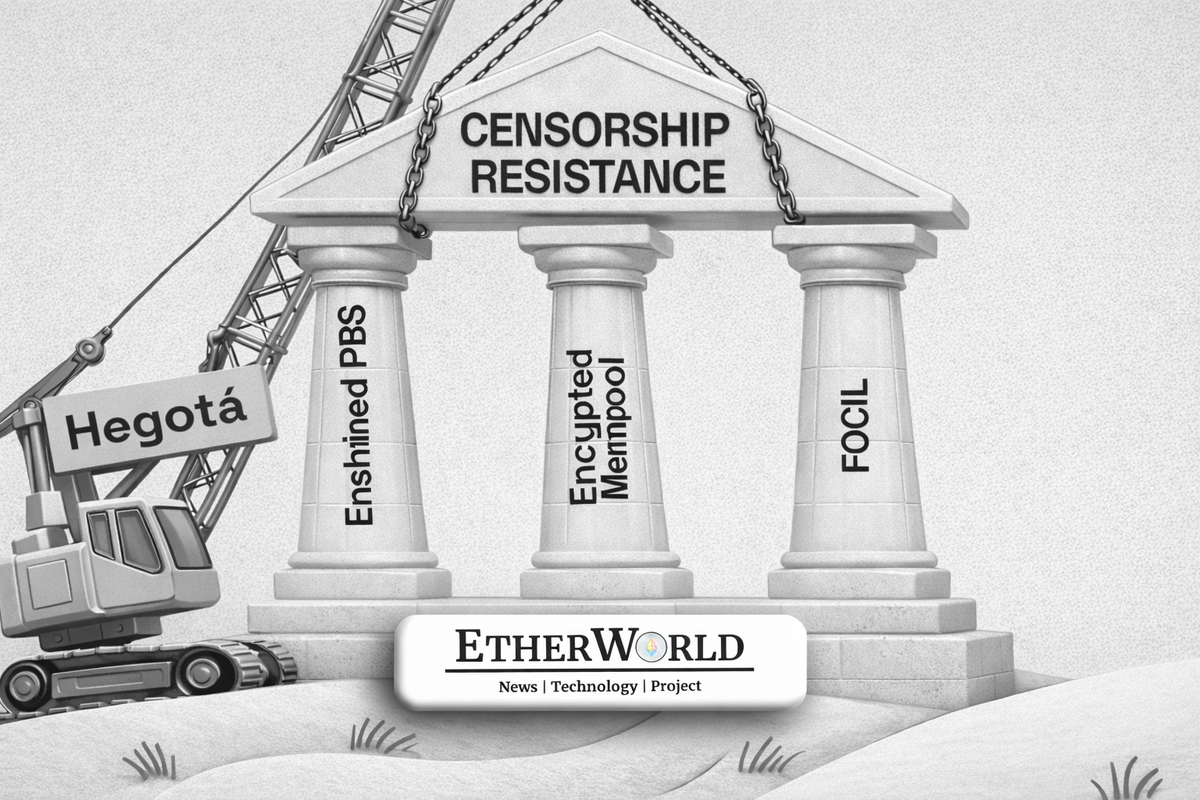
When assessing digital rights infrastructure in 2026, focus on three core pillars: decentralized communications, resilient identity systems, and censorship-resistant coordination mechanisms. These elements form the backbone of modern digital autonomy against authoritarian overreach.
Official Sources and Legal Context
Reliance on official and primary sources is critical when navigating 2026’s complex legal environment. Organizations such as the Blockchain Council and Fight for the Future provide updated analyses on how decentralized technologies are being integrated into wartime and civil resistance strategies. These sources offer objective, sourced insights into the evolving legal and technical landscape.

Frequently asked: what to check next
Is censorship resistance technology legal in 2026?
In many jurisdictions, including the United States and most of the European Union, using encryption and censorship-resistant tools remains legal. However, the legal landscape is shifting. Countries such as Iran have imposed near-total blackouts and criminalized circumvention tools during periods of unrest, as noted in January 2026 reports. Users must verify local statutes before deploying these tools, as penalties for "illegal internet access" vary significantly by region.
Can authorities detect traffic from protocols like Nym?
While protocols like Nym aim to obscure metadata through mix networks, sophisticated state-level actors continue to develop detection methods. The 2025-2026 roadmap from Nym highlights that governments from the Middle East to the EU are actively blocking decentralized networks. No tool offers absolute anonymity; effectiveness depends on the adversary's resources and the specific threat model.
Are VPNs still effective against 2026 censorship?
Traditional VPNs face increasing scrutiny. Many nations now employ deep packet inspection to identify and block standard VPN signatures. Decentralized protocols that route traffic through multiple hops are becoming more common as a response to these blocks. However, access to these newer protocols may itself be restricted in high-censorship zones, creating a cat-and-mouse dynamic for users.
No comments yet. Be the first to share your thoughts!