Why identity control matters now
The landscape of digital trust is shifting rapidly. In 2026, the decentralized identity market is projected to reach $7.4 billion, driven by urgent needs for fraud prevention and AI security. This growth is not just commercial; it is regulatory. Every EU member state must deploy a digital identity wallet by year-end, making self-sovereign identity a legal and practical necessity rather than a niche experiment.
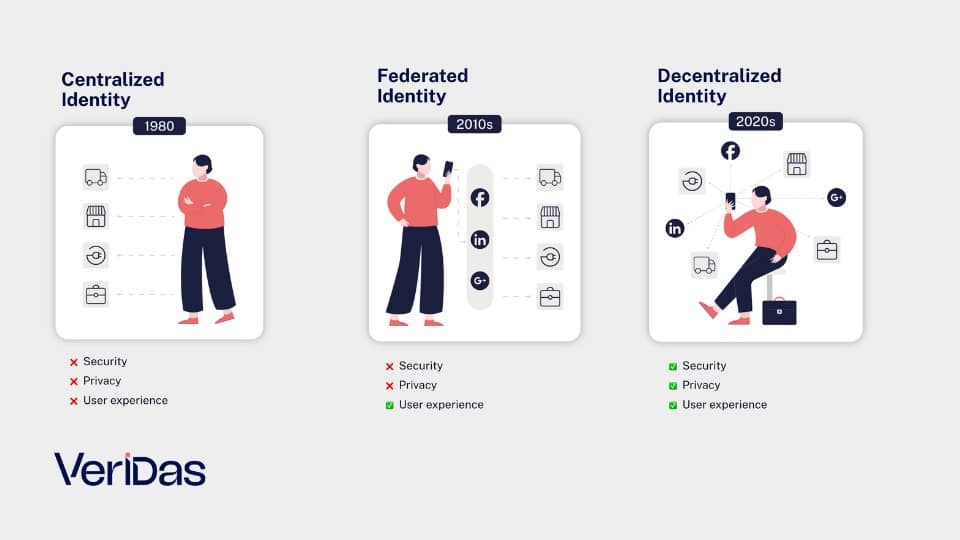
The urgency stems from two converging risks: AI-generated deepfakes and centralized censorship. Without verifiable credentials tied to a user-controlled identity, distinguishing human actors from synthetic bots becomes nearly impossible. Centralized databases remain single points of failure, vulnerable to breaches that expose millions of records. Self-sovereign identity shifts this control to the individual, allowing you to prove your identity without surrendering your underlying data.
This shift is critical for anyone navigating the modern digital economy. Whether you are a business verifying customers or an individual protecting your digital footprint, the ability to control your own identity is becoming the primary defense against fraud and surveillance.
Set up your decentralized identifier
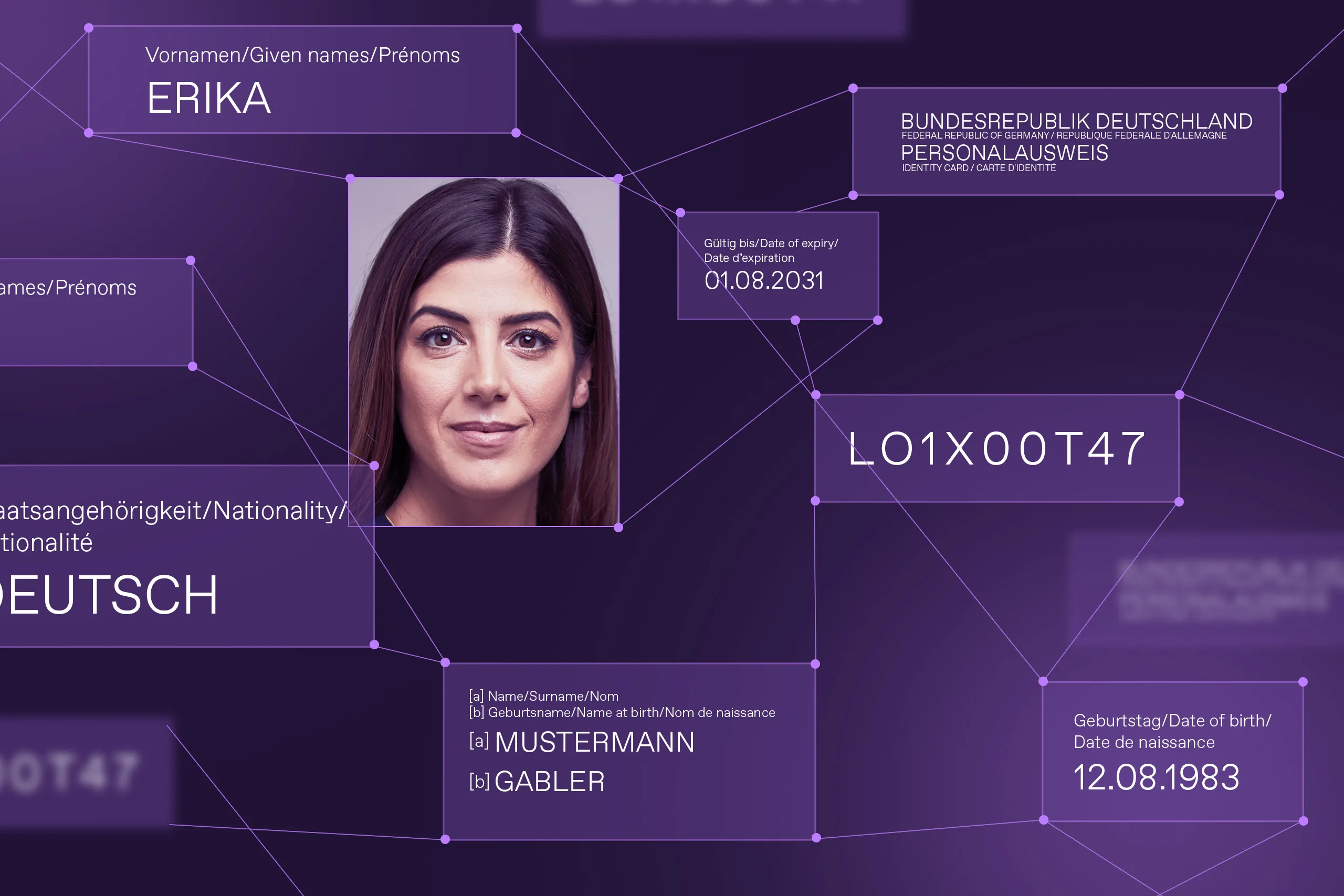
A decentralized identifier (DID) is a globally unique string that you create and control, independent of any central registry or corporation. Unlike traditional usernames, a DID is backed by cryptographic keys that prove ownership. The legal and technical weight of this setup rests on one principle: you are solely responsible for the private keys. If you lose them, your identity is inaccessible; if someone else gains them, they become you.
Follow this sequence to generate your DID and secure the associated keys. This process establishes the foundation for all future self-sovereign data interactions.
A DID method defines how the identifier is created, resolved, and updated. Popular methods include did:ethr (Ethereum), did:key (local cryptographic), and did:web (DNS-based). Select a method that aligns with your legal jurisdiction and the verifiable credentials you intend to hold. The controller is the entity authorized to manage the DID document; for personal use, this is you.
Use a trusted cryptographic library or hardware security module (HSM) to generate a public-private key pair. The private key must remain secret and never leave your secure storage environment. The public key is published in the DID document to allow others to verify your signatures. Ensure the key algorithm (e.g., Ed25519, secp256k1) is supported by the issuers and verifiers in your ecosystem.
Construct the DID document, a JSON-LD structure that maps your DID to the public key, authentication methods, and service endpoints. Publish this document to the chosen decentralized network or web location. This step makes your identity resolvable; anyone can now fetch your public keys using the DID string. Verify the publication by resolving the DID to ensure the document is accessible and correct.

Store the private key in a secure environment, such as a hardware wallet, secure enclave, or encrypted key vault. Never store the private key in plain text, cloud backups without encryption, or shared devices. Implement multi-signature requirements if the DID controls high-value assets or sensitive legal data. Regularly audit access logs and key rotation policies to maintain custody integrity.
Perform a test resolution and signature verification. Use a DID resolver tool to confirm the document is live and contains the correct public key. Sign a test message with your private key and verify it using the public key. This step confirms that your cryptographic setup is functional and that you retain exclusive control over the identity.
The legal enforceability of a DID depends on the security of your key custody. Courts and regulatory bodies increasingly recognize cryptographic proof as evidence of identity. Treat your private keys with the same security protocols as physical assets or legal signatures.
Issue and verify credentials
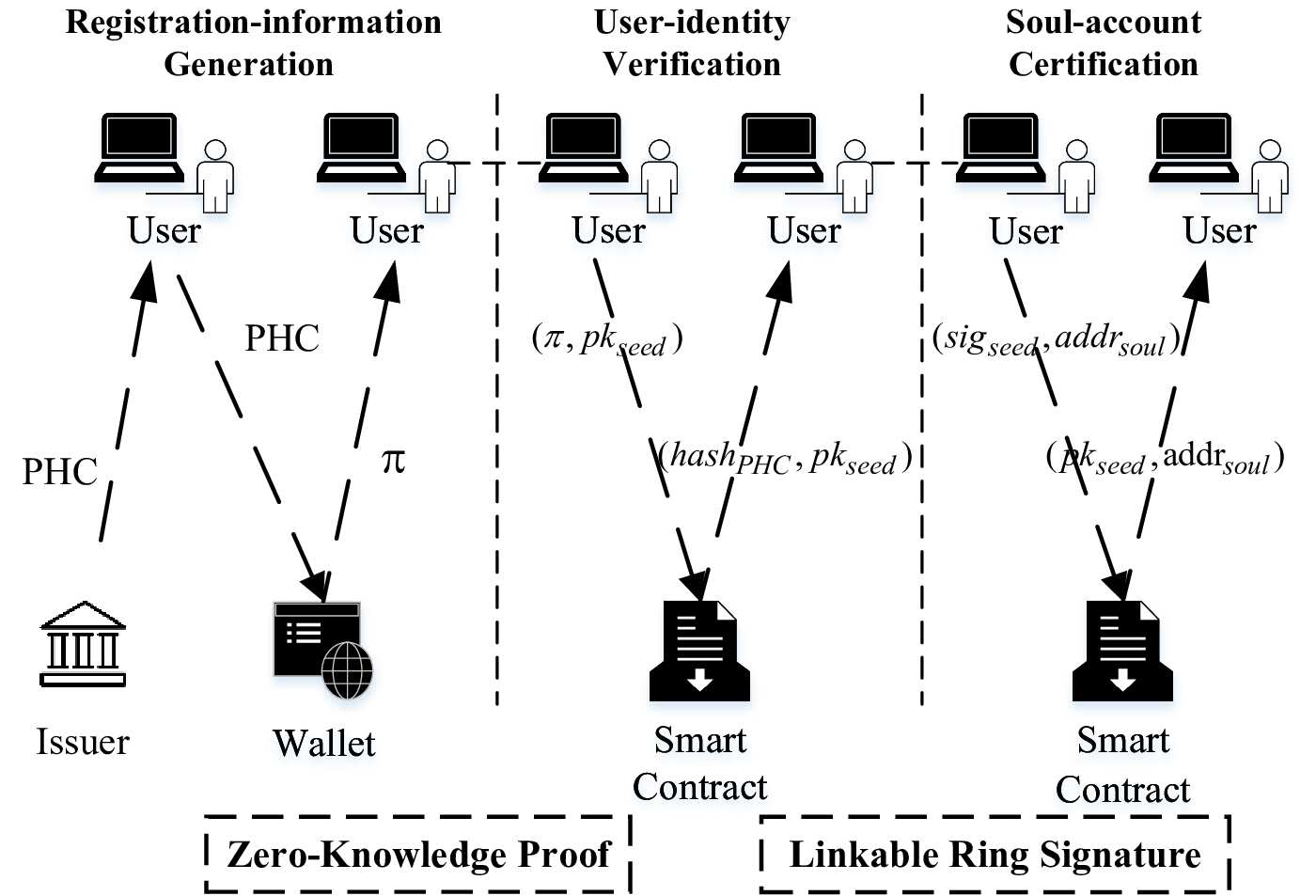
Issuing and verifying Verifiable Credentials (VCs) shifts identity control from centralized databases to the user. Instead of uploading sensitive documents to every service, you hold a digital wallet containing cryptographically signed proofs. This architecture reduces censorship vectors by allowing you to present only the specific attributes a verifier needs, rather than your entire identity history.
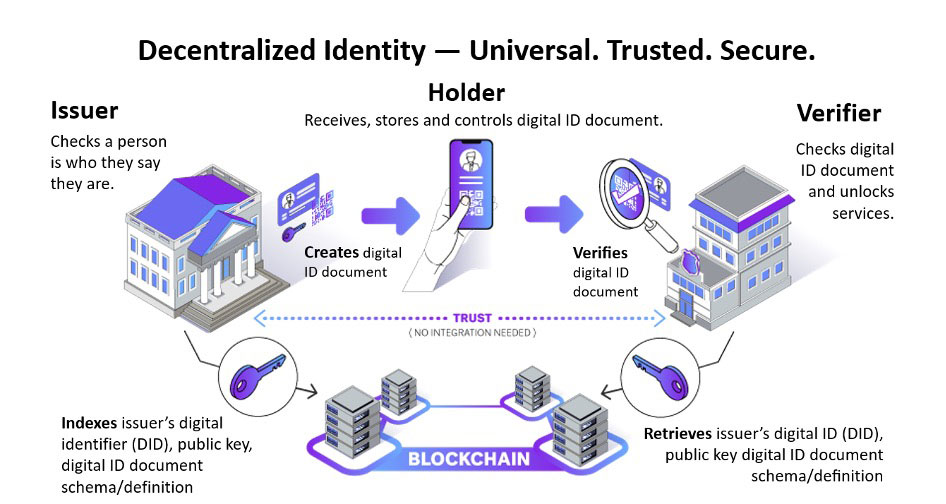
The process relies on three distinct roles: the Issuer (who creates the credential), the Holder (who stores it in a wallet), and the Verifier (who checks its validity). When a service requests proof of age, for example, the VC allows you to share "over 18" without revealing your birthdate, address, or government ID number. This selective disclosure is the core mechanism for minimizing data exposure.
To implement this workflow, follow the sequence below. Each step ensures the credential remains valid, tamper-proof, and legally recognizable under emerging frameworks like the EU Digital Identity Wallet.
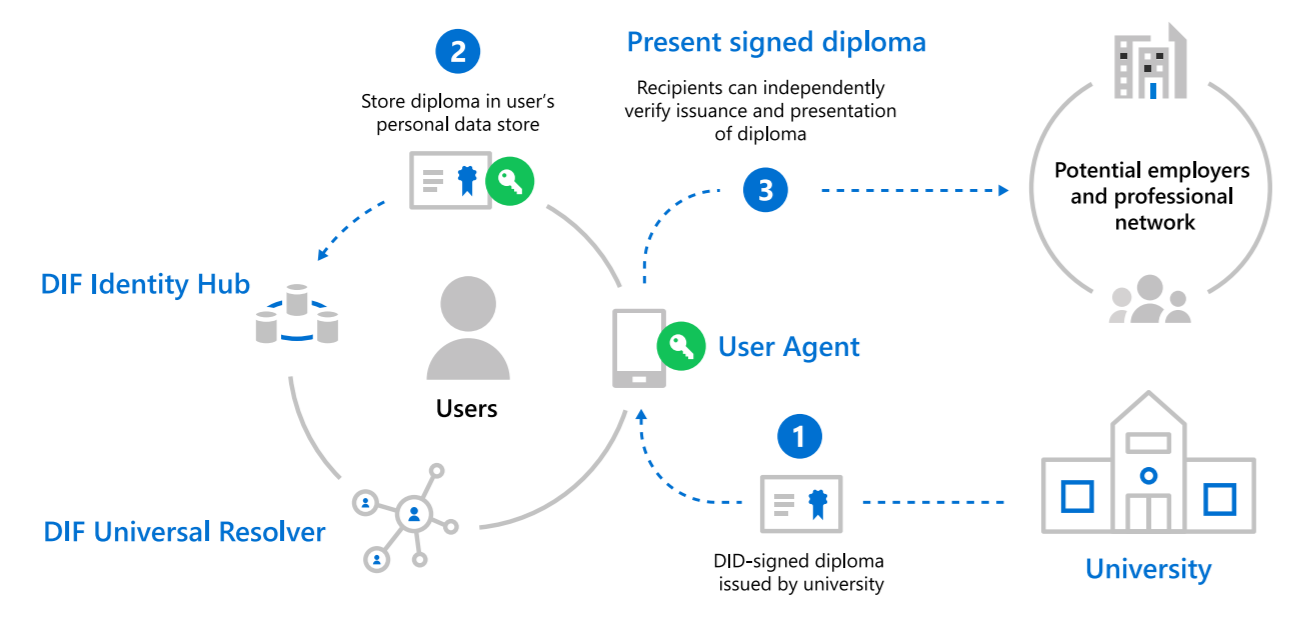
An authorized issuer (such as a government agency or university) creates a signed JSON-LD document. This document contains claims about the user and is cryptographically signed with the issuer’s private key. The issuer sends this credential to the user’s wallet via a secure channel, such as a QR code or NFC tap.

The user receives the credential and stores it in a compliant digital wallet. The wallet validates the issuer’s signature to ensure authenticity. At this stage, the data is encrypted on the device. The user now owns the credential and can decide when and with whom to share it.
A verifier (such as a bank or employer) asks for specific proof, like "proof of residency" or "proof of employment." The user opens their wallet and selects the relevant credential. Using zero-knowledge proof techniques, the user generates a presentation that reveals only the required data points, hiding all other information.
The verifier receives the presentation and checks the issuer’s public key to confirm the signature is valid. It also checks that the credential has not been revoked. If the cryptographic proof matches the requested claims, the verifier accepts the identity proof without needing to contact the issuer or store the user’s data.
Understanding the difference between traditional identity checks and VC-based verification helps clarify why this shift matters for legal compliance and user privacy. Traditional methods often require full data transfer, creating liability for both parties. VCs limit data transfer to the absolute minimum necessary.
| Feature | Traditional KYC | VC Selective Disclosure |
|---|
This model aligns with the principle of data minimization, a cornerstone of modern privacy laws like GDPR. By issuing credentials that expire or can be revoked, issuers maintain control over the lifecycle of the proof, while verifiers reduce their regulatory burden by not holding unnecessary personal data.
Avoid common setup mistakes
Building a self-sovereign identity system is technically straightforward, but configuration errors can permanently compromise your censorship resistance. Many users treat decentralized identifiers (DIDs) like traditional social media accounts, assuming a platform can recover their access if they lose their password. In a decentralized model, there is no central authority to reset credentials. If you mismanage your private keys or select a wallet that does not support the specific DID method required by your jurisdiction, your identity data may become inaccessible or vulnerable to unauthorized access.
The most frequent error occurs during the initial wallet selection. Not all self-custody wallets support the same decentralized identifier standards. For instance, some wallets only support W3C DID Core standards, while others may require specific resolvers for local or national digital identity frameworks. Choosing a generic wallet without verifying its compatibility with the specific DID method you intend to use can render your credentials useless in regulated environments. Always verify that your chosen wallet supports the exact DID method (e.g., did:ethr, did:key, or did:web) mandated by the identity provider or regulatory body you are integrating with.
Another critical pitfall is the improper storage of recovery phrases. Because decentralized identity relies on cryptographic proof of ownership, losing your seed phrase means losing control over your identity assets forever. Unlike a bank account, there is no customer support line. Store your recovery phrase offline, in a secure physical location, and never digitize it in plain text. Additionally, be wary of "multi-sig" setups that are not properly configured; a poorly structured multi-signature wallet can introduce single points of failure that undermine the very decentralization you are trying to achieve.
Check your compliance status
By 2026, self-sovereign identity is no longer optional in the EU. Every member state must deploy a digital identity wallet by year-end, making decentralized identity compliance a hard deadline for any organization handling European user data [1].
Start by verifying your wallet provider’s eIDAS 2.0 alignment. Ensure they support the required European Digital Identity Wallet (EUDI) standards and can issue verifiable credentials recognized across borders. If you operate in the US, cross-reference your data handling against emerging AI safety guidelines to ensure automated identity verification processes remain transparent and auditable.
Run a final audit against these requirements:
-
Wallet provider is eIDAS 2.0 compliant.
-
Verifiable credentials follow W3C standards.
-
Data minimization policies are enforced.
-
US AI safety guidelines are met for automated checks.
Frequently asked: what to check next
These questions address the most common legal and technical uncertainties surrounding decentralized identity implementation in 2026.
No comments yet. Be the first to share your thoughts!