Why decentralized social protocols matter now
The social media landscape is shifting. For years, we have handed our digital lives over to centralized platforms—single points of failure where content can vanish and accounts can be suspended without recourse. In 2026, the focus is no longer just about which app looks best, but about digital sovereignty. We are moving toward protocol-based ownership, where your identity and data are not rented from a corporation but held in your own hands.
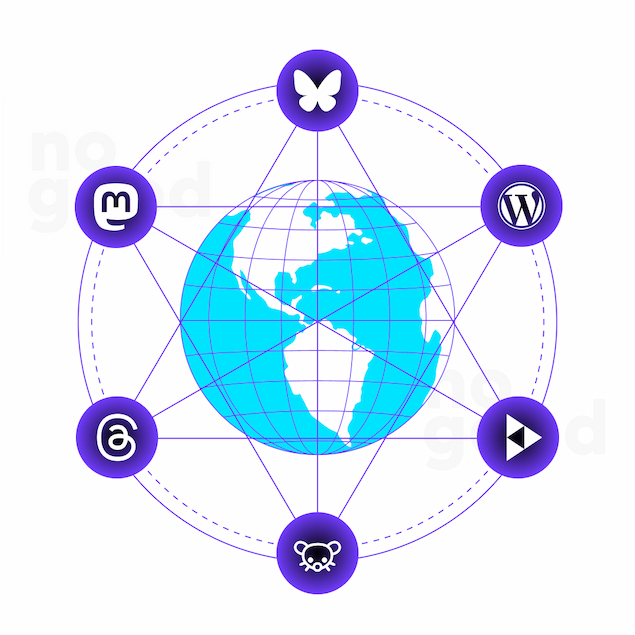
This shift is driven by the need for censorship resistance. When a platform decides your voice is too controversial, centralized governance offers no appeal. Protocol-based networks flip this dynamic. Instead of a company controlling the server, you connect to a shared network. Examples like Mastodon, Bluesky, and Nostr demonstrate that this model works. You can leave one instance or client and take your followers with you because the data lives on the protocol, not in a corporate silo.
The market is already responding to this demand for control. Industry projections value the decentralized social network market at $8.3 billion by 2033, up from $2.5 billion in 2024. This growth reflects a growing awareness that our digital interactions deserve the same permanence and portability as our physical possessions.
Choosing the right decentralized social protocol is the first step in reclaiming that control. It is a practical task: you need to find a network that supports your specific needs for privacy, community, and longevity. This guide walks you through the process of comparing protocols, setting up your identity, and migrating your audience, ensuring you build a social presence that cannot be taken away.
Compare the major protocol architectures
Choosing a decentralized social protocol is less about picking a platform and more about selecting a digital sovereignty framework. Each architecture handles identity, moderation, and data portability differently. Understanding these structural differences helps you decide where your digital life fits best.
| Feature | ActivityPub | AT Protocol | Nostr |
|---|---|---|---|
| Core Philosophy | Federated communities | Algorithmic choice | Identity sovereignty |
| Moderation | Server admins | User-curated blocks | Client-side filters |
| Interoperability | High (Email model) | Medium (Lexicons) | High (Relays) |
| Data Portability | Exportable feeds | JSON dumps | Copy keys anywhere |
ActivityPub powers Mastodon and Lemmy through a federated model. Imagine it like email: you pick a provider (server), but you can still message anyone on any other server. Moderation happens at the server level, meaning your experience is shaped by the rules of your specific host. This structure prioritizes community standards but can fragment user bases across different servers with varying cultures.

Decide if you prefer server-level moderation (ActivityPub) or algorithmic curation (AT Protocol). If you want control over your feed, look at how each protocol handles blocks and filters.
Determine if you need to interact with other networks. ActivityPub connects to many platforms, while Nostr relies on a network of independent relays.
Create accounts on one platform per protocol. Spend a week posting and interacting to see which interface feels natural for your workflow.
The AT Protocol, used by Bluesky, shifts power to the user through algorithmic choice. Instead of a server admin deciding what you see, you choose or build your own feed algorithm. Moderation is handled through a global block list that follows your identity, not your server. This creates a more consistent experience across the entire network, regardless of which server you join.
Nostr takes a different approach by separating identity from storage. Your identity is a cryptographic key pair, and your posts are stored on independent relay servers. This means no single entity can delete your account or history. Moderation is entirely client-side, allowing you to filter out unwanted content without relying on a central authority. This model offers the highest degree of censorship resistance but requires more technical understanding to set up securely.

Set up your identity on a protocol
Claiming your handle is the first step toward digital sovereignty. Unlike centralized platforms where you rent your username, a decentralized identity is self-custodied. You hold the private keys, meaning no corporation can suspend your account or delete your history. This setup is your foundation for censorship-resistant communication.
Start by creating a cryptographic key pair using a secure wallet app like SafePal or Rabby. These apps generate a public key for your identity and a private key for signing posts. Never share your private key or seed phrase. If you lose access to your device, these phrases are the only way to recover your account.
Connect your wallet to a client app that supports your chosen protocol. For example, use Bluesky’s AT Protocol or Nostr clients. The client will broadcast a transaction to the network, linking your public key to a human-readable handle like @yourname. This step formally claims your identity on the decentralized web.
Complete the verification process by signing a message with your private key. This proves you control the identity without exposing the key itself. Save your recovery phrases in a secure, offline location. Your identity is now yours alone, independent of any central server or company policy.
This process shifts control from platform owners to you. By holding your keys, you ensure that your digital presence remains intact regardless of external pressures. This is the core of digital sovereignty: you own your data, your identity, and your voice.
Avoid common setup mistakes
Digital sovereignty means you own your identity, but it also means you own the responsibility. When you choose a decentralized social protocol, you step outside the safety net of traditional tech giants. This shift brings powerful censorship resistance, but it also introduces specific pitfalls that can compromise your account or your peace of mind. Understanding these risks before you connect is essential for maintaining true control.
A second major error is ignoring client compatibility. Decentralized networks like Mastodon, Bluesky, and Nostr are built on open protocols, allowing multiple applications to interact. However, not all clients support every feature or protocol version. Choosing an incompatible client can leave you unable to read posts from certain servers or participate in federated feeds. Always verify that your chosen client fully supports the protocol you intend to use.
Check the documentation for your chosen client. Ensure it explicitly lists support for the protocol you are joining, such as AT Protocol for Bluesky or ActivityPub for Mastodon. Look for community forums where users discuss recent updates and known compatibility gaps.
Decentralized moderation is distributed. Unlike a central company that enforces uniform rules, moderation in these networks varies by server or instance. Read the terms of service for your specific instance. Some servers are strictly moderated, while others allow broader expression. Choose an instance that aligns with your comfort level and values.
Finally, do not assume that decentralization guarantees anonymity. Most protocols require a public identifier to function. Your posts, followers, and interactions are often visible to anyone on the network. If you value privacy, you must actively configure your settings to restrict visibility. Relying on the network to protect your identity by default is a common and costly mistake.
Verify your digital sovereignty
Ownership means more than holding a username; it means your data travels with you. If a platform bans you or shuts down, your identity and history should remain intact. We test this by checking three things: data portability, censorship resistance, and key control.
1. Test data portability
Download your full archive. Look for structured data like JSON or ActivityPub feeds, not just static HTML pages. Try importing this data into a different client or server. If the process requires manual reconstruction of every post, the protocol fails the portability test. Mastodon and Bluesky both offer robust export tools that preserve your social graph.
2. Check censorship resistance
A true decentralized network cannot arbitrarily silence you. Verify that the protocol allows you to run your own server or switch instances without losing followers. Nostr is a prime example: your identity is your cryptographic key, not a profile on a centralized server. If the platform can delete your account without your consent, you do not own your digital sovereignty.
3. Verify key control
Ensure you hold the private keys to your identity. If a third party can reset your password or revoke your access, you are merely a tenant, not an owner. Use hardware wallets or secure local storage for your keys. Never rely on a single point of failure for your digital identity.
Download your full archive from your current platform. Check for JSON or ActivityPub formats to ensure the data is machine-readable and portable.
Use the exported data to create your profile on a different client or server. Verify that your followers and posts appear correctly.
Log out and attempt to log back in using only your private key or seed phrase. If you cannot access your account without the platform's help, you do not have true sovereignty.
Frequently asked questions about decentralized social
Has anyone tried to build a decentralised social network?
Yes, several networks are already active. Mastodon functions like Twitter but uses the open-source ActivityPub protocol, allowing independent servers to communicate. Steem operates on a blockchain, while Nostr and Bluesky offer alternative decentralized architectures for user identity and data.
Is decentralized social media the future?
Many users view it as the next evolution of the internet. By moving control from central nodes to end users, these networks aim to fix the algorithmic and censorship issues of traditional platforms. This shift supports digital sovereignty, giving users ownership of their social graph and content.
What is the Decentralized Social Networking Protocol (DSNP)?
DSNP is an open standard for social networking stewarded by Project Liberty Institute. It is not owned by any single company, allowing developers to build compatible applications. The protocol aims to create a universal layer where different social apps can interoperate seamlessly.
Are there any decentralized social media platforms?
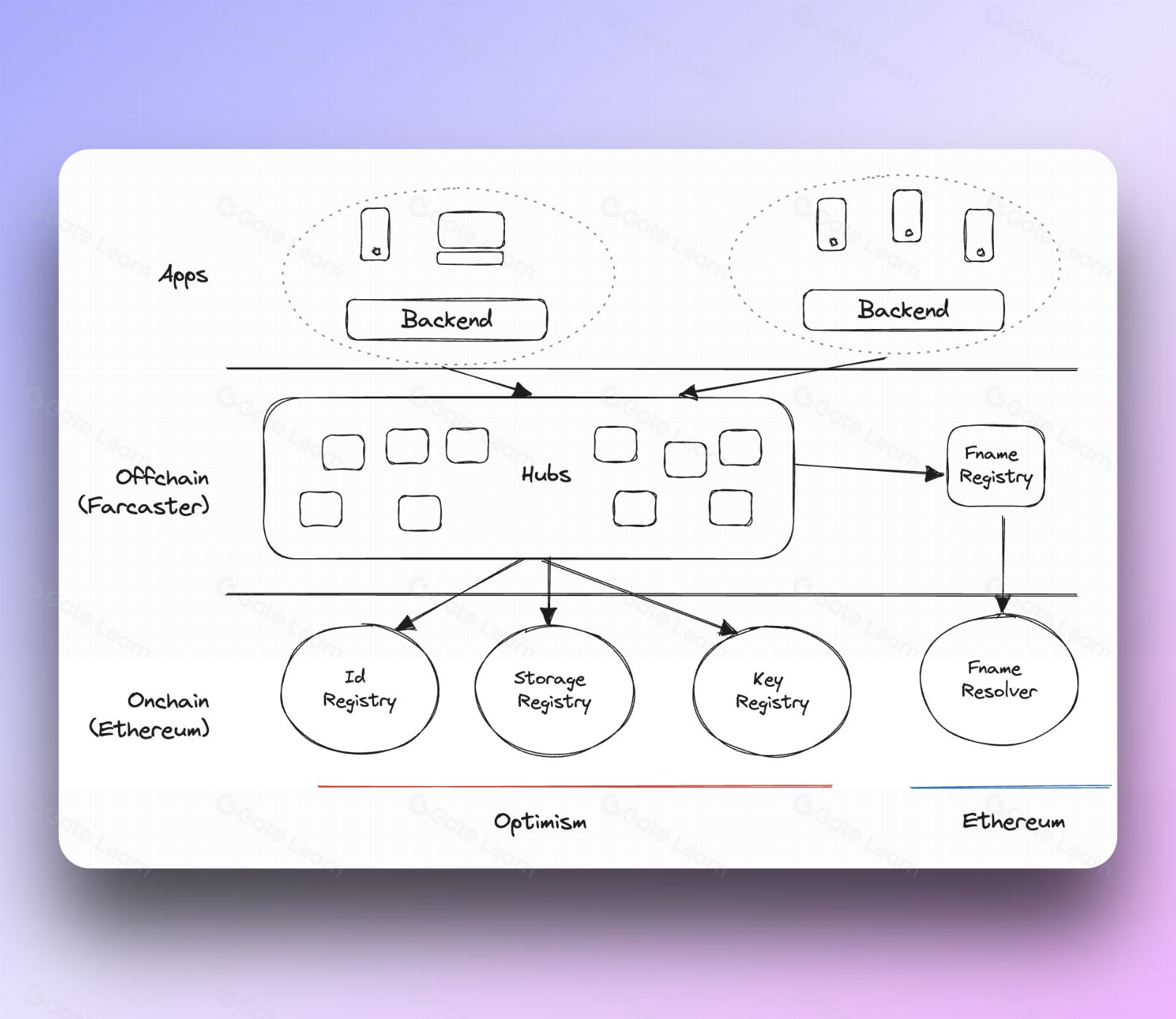
Bluesky uses the open AT Protocol to allow portable social feeds. Farcaster is another open protocol that powers decentralized social apps. Other examples include Minds, which focuses on internet freedom, and various Web3 task platforms like TaskOn that operate on decentralized principles.
Helpful gear
Use these product recommendations as a starting point, then choose the size, material, and price point that fit how you actually use the gear.
![McGrady on Social Media and the Metaverse 2026 Edition [LATEST EDITION]](https://m.media-amazon.com/images/I/21wK0EIsTCL._AC_UY400_QL65_.jpg)

As an Amazon Associate, we may earn from qualifying purchases.
No comments yet. Be the first to share your thoughts!