Why decentralized communication matters now
We are entering a period where centralized platforms are increasingly reliant on automated content filters to manage scale. These AI-driven systems often lack nuance, flagging legitimate discourse as violations or silencing specific viewpoints without human review. When a single company controls the pipes of public conversation, the risk of arbitrary censorship or algorithmic bias becomes a structural feature, not a bug.
Decentralized networks offer a different architecture. By distributing data across independent nodes, they remove the single point of failure—or control—that characterizes Web2 social media. This isn't just about preserving free speech; it is about ensuring that communication infrastructure remains resilient against both corporate policy shifts and state-level pressure.
The urgency is practical. As AI content moderation becomes more aggressive and opaque, users are losing trust in centralized platforms. Decentralized protocols provide the necessary infrastructure for censorship-resistant communication, allowing communities to self-govern their interactions without relying on the goodwill of tech giants. This shift is not merely ideological; it is a necessary adaptation to an increasingly automated and controlled digital landscape.
Choose your protocol foundation
Your choice of protocol determines the architecture of your network. XMPP, Matrix, and Mesh protocols each solve different problems. Selecting the wrong foundation makes adding features like voice or social feeds difficult later. You need to match the protocol’s strengths to your immediate requirements for censorship resistance, ease of use, and feature depth.
Evaluate your primary use case
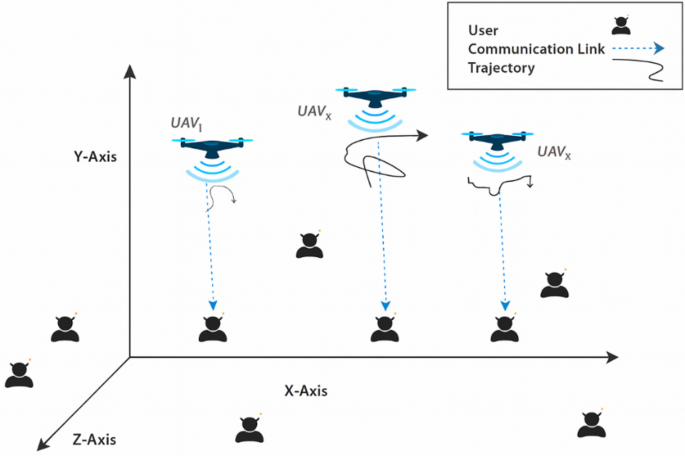
Start by defining the core function. If you need a mature, federated chat system with extensive third-party integrations, XMPP is the industry standard. It powers many long-standing decentralized social networks. If you prioritize real-time collaboration, end-to-end encryption by default, and a modern user experience, Matrix is the better fit. For scenarios where central servers are a single point of failure, a Mesh protocol ensures nodes communicate directly without relying on a central hub.
Compare protocol capabilities
The table below highlights the technical differences that matter most for deployment. XMPP offers broad compatibility but requires more configuration. Matrix provides a polished experience with strong security features built-in. Mesh protocols sacrifice some convenience for maximum resilience against censorship and network partitioning.
| Feature | XMPP | Matrix | Mesh Protocol |
|---|---|---|---|
| Ease of Use | Moderate | High | Low |
| Censorship Resistance | Moderate | Moderate | High |
| Voice/Video | Via Plugins | Built-in | Limited |
| Social Features | Via Extensibility | Via Bridges | Minimal |
| Federated | Yes | Yes | No |
Consider the trade-offs
There is no single best protocol for every scenario. XMPP is ideal if you value open standards and legacy support. Matrix is best for teams wanting a Slack-like experience without the data harvesting. Mesh protocols are essential for high-risk environments where network continuity is critical. Review the FOSDEM 2026 track on Decentralised Communication for recent engineering trends in these areas.
Set up your first decentralized node
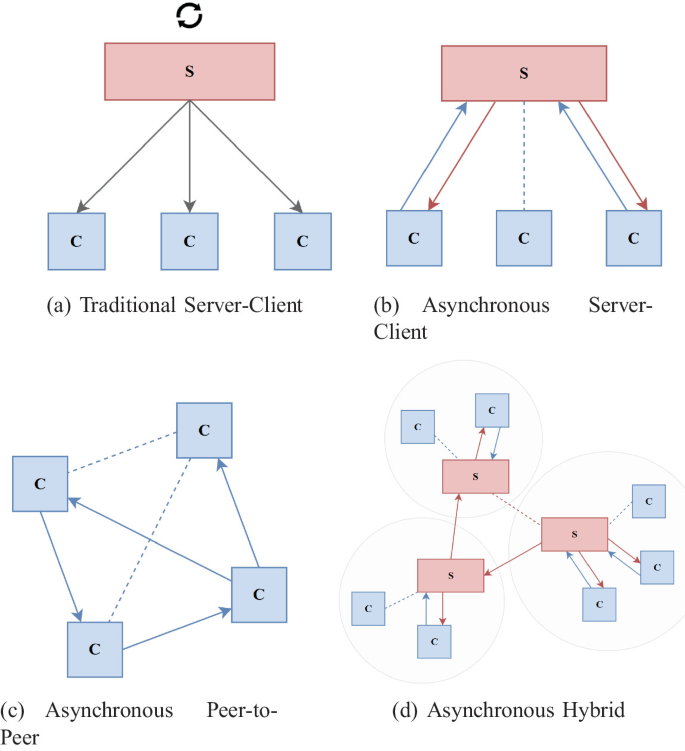
Deploying a node is the foundational step in building a decentralized communication network. By running your own server, you regain control over your data and contribute to the resilience of the network. This guide walks you through setting up a basic XMPP or Matrix node, the two most established protocols for decentralized messaging.
We will use Docker for this setup. Docker ensures a consistent environment, isolates the node from your host system, and makes updates straightforward. You will need a Linux server (Ubuntu 22.04 LTS is recommended) with at least 1GB of RAM and a static IP address.
Begin by updating your system packages and installing Docker. This creates the container runtime necessary for our node. Run the following commands in your terminal:
sudo apt update
sudo apt install docker.io docker-compose-plugin -y
sudo systemctl enable docker
sudo systemctl start docker
Verify the installation by running docker --version and docker compose version. Ensure your user is added to the docker group to run commands without sudo: sudo usermod -aG docker $USER.
Select between XMPP (Jabber) or Matrix. XMPP is lightweight and mature, while Matrix offers modern features like end-to-end encryption by default and cross-platform sync. For this example, we will configure a Matrix Synapse server.
Create a project directory and a docker-compose.yml file. Define the Synapse service, mapping port 8448 for TLS traffic and 8008 for internal API calls. Mount a local directory for configuration data so it persists across container restarts. This structure keeps your node organized and portable.
A decentralized node requires a domain name and valid TLS certificates to establish trust. Use Let’s Encrypt to generate free certificates via Certbot.
Install Certbot and obtain certificates for your domain (e.g., chat.example.com). Update your docker-compose.yml to mount the certificate files into the Synapse container. Configure Synapse to listen on the standard HTTPS port and point to your certificate paths. This step is critical for federation, allowing other nodes to securely connect to yours.
Once the configuration is complete, start the container with docker compose up -d. Then, run the Synapse registration script to create an admin user. This user will manage your node.
docker compose exec synapse register_new_matrix_user http://localhost:8008 -c /data/homeserver.yaml --admin
Follow the prompts to set a username and password. Your node is now operational and ready to accept connections from clients.
Finally, verify that your node is properly federated. Use a tool like curl to check your server’s well-known endpoint or use a federation tester online. Ensure that other nodes can discover and connect to your server.
Test by sending a message from a client on another network to your new account. If the message arrives, your decentralized communication node is successfully integrated into the global network.
Common Pitfalls to Avoid
- Firewall Misconfiguration: Ensure ports 80, 443, and 8448 are open. Many cloud providers block these by default.
- Incorrect DNS Records: Missing or incorrect SRV records for XMPP or well-known endpoints for Matrix will prevent federation.
- Insufficient Resources: Matrix Synapse can be memory-intensive. Monitor your server’s RAM usage and scale up if necessary.
Setting up your first node is a technical but rewarding process. It establishes your independent presence in the decentralized web, giving you full sovereignty over your communication infrastructure.
Connect devices securely
Linking client devices to a decentralized communication network requires more than just installation; it demands strict adherence to encryption standards. The goal is end-to-end security, ensuring that only the sender and intended recipient can read the messages. This section outlines the sequence for connecting devices while maintaining privacy.
1. Install the Client Application
Begin by downloading the official client application from the verified source. Avoid third-party mirrors or unofficial builds, as these may introduce vulnerabilities. Once installed, verify the application’s digital signature against the developer’s public key to ensure integrity.
2. Configure End-to-End Encryption
Enable end-to-end encryption (E2EE) immediately upon first launch. Most decentralized networks, such as those using the Oxen Service Node network, rely on onion routing to relay messages. Ensure that the encryption protocol is set to the highest available standard (e.g., Signal Protocol or MLS) and that key verification is active. This prevents man-in-the-middle attacks during the initial handshake.
3. Verify Device Identity
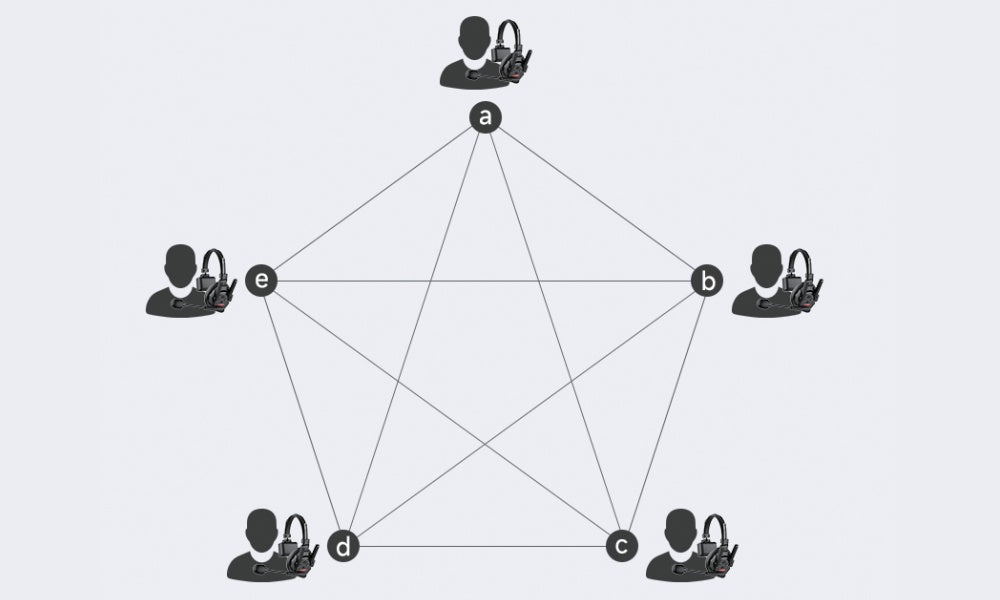
Before exchanging sensitive data, verify the identity of connected devices. Use out-of-band verification methods, such as scanning a QR code or comparing safety numbers, to confirm that you are connecting to the correct node or peer. This step is critical in decentralized networks where there is no central authority to validate identities.
4. Test the Connection
Send a test message to a trusted contact or a self-test endpoint. Check that the message is encrypted and that the delivery receipt confirms successful transmission through the decentralized nodes. Monitor the connection for any latency spikes or dropped packets, which could indicate network instability or interception attempts.
Common setup mistakes to avoid
Building a decentralized communication network in 2026 requires precise configuration. One misstep can compromise privacy or break connectivity entirely. Here are the most frequent pitfalls and how to fix them.
Ignoring TLS and Certificate Validation
Never skip certificate validation. In a decentralized system, verifying the identity of every node is the only way to prevent man-in-the-middle attacks. If your client accepts invalid certificates, you are no longer secure. Always enforce strict TLS checks on all connections.
Overlooking Network Latency
Decentralized networks rely on peer-to-peer communication, which is inherently slower than centralized servers. If you do not configure appropriate timeouts, your network will appear broken. Set generous retry intervals and allow for higher latency. This prevents false negatives when a peer is temporarily unreachable.
Skipping Health Checks
Automated health checks are essential for maintaining network integrity. Without them, you won't know if a node has crashed or become unresponsive until a user reports an issue. Implement regular pings and status endpoints. This allows you to detect and replace faulty nodes before they degrade the entire network's performance.
Recommended tools for 2026
Building a resilient decentralized communication network requires reliable hardware and compatible software. The foundation starts with low-power devices that can run 24/7 without excessive energy costs.
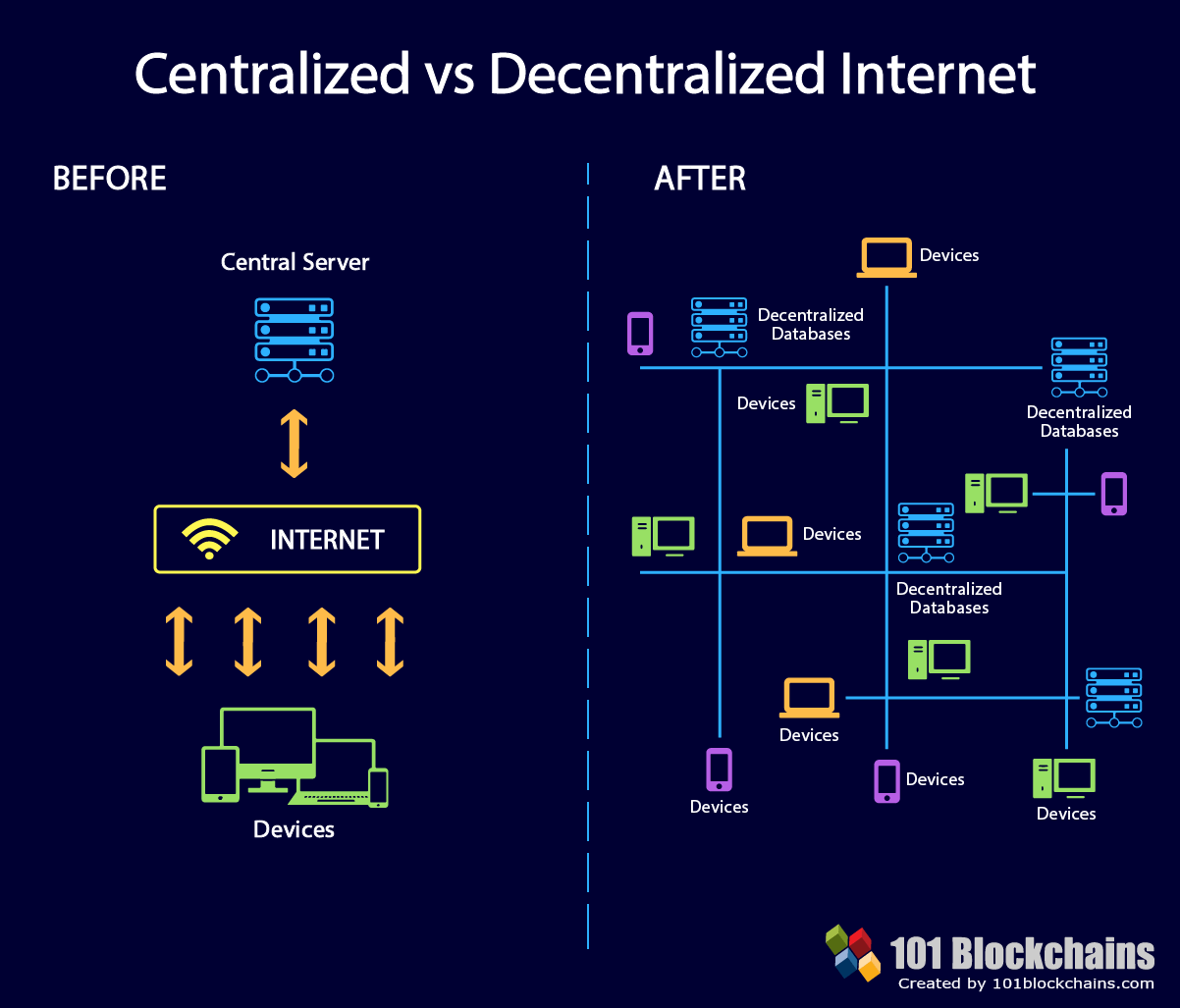
For hardware, focus on single-board computers that balance performance with power efficiency. These devices serve as the physical nodes for your network, ensuring uptime and connectivity.

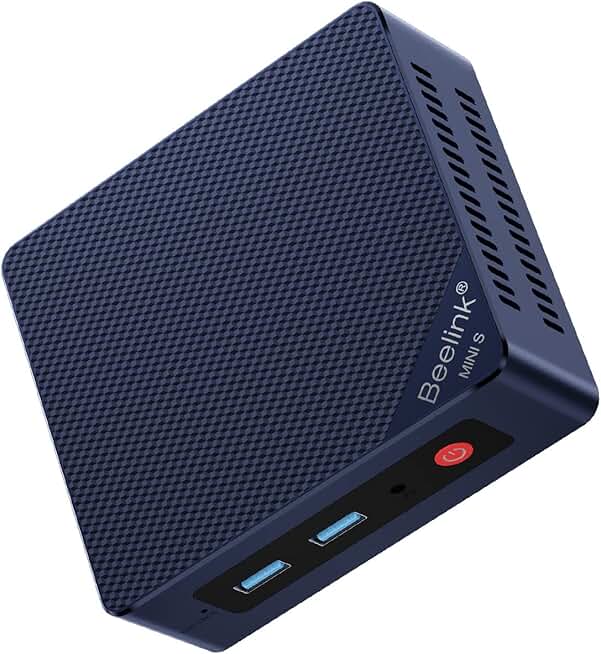

As an Amazon Associate, we may earn from qualifying purchases.
On the software side, choose protocols that align with your specific needs. XMPP offers robust federation for messaging, while Matrix provides strong encryption and bridge capabilities for broader interoperability. Selecting the right stack ensures your network remains open and secure.
No comments yet. Be the first to share your thoughts!