The 2026 censorship landscape
The architecture of online speech is undergoing a violent structural shift. In 2026, censorship resistance is no longer just about bypassing a single firewall; it is a global battle against coordinated, state-level enforcement mechanisms. Governments are moving beyond reactive takedowns to proactive, algorithmic suppression that targets infrastructure before content even reaches users.
This escalation is driven by two converging forces: AI-driven content filtering and aggressive legislative overreach. The European Union’s Digital Services Act (DSA) has established a blueprint for mandatory content moderation that many nations are now emulating. While framed as safety measures, these regulations effectively compel platforms to police speech at scale, often resulting in over-blocking and the silencing of dissenting voices under the guise of compliance. [1]
Simultaneously, the United States is facing its own regulatory pressures. Congressional hearings have highlighted concerns that foreign censorship models, particularly those emerging from Europe, threaten American speech and innovation by creating a chilling effect on global digital infrastructure. [2] This legislative anxiety is compounded by the rapid adoption of AI tools that can detect and block encrypted traffic patterns, making traditional VPNs increasingly obsolete in high-risk regions.
The result is a fragmented internet where access is increasingly determined by geography and technical sophistication. For journalists, activists, and ordinary citizens, the ability to communicate securely is no longer a luxury—it is a necessity for maintaining any form of digital autonomy.
How Mesh Networks Bypass Central Points
Centralized internet infrastructure relies on choke points. Internet service providers (ISPs) and government agencies monitor traffic at these hubs, making it easy to block, throttle, or redirect data. Mesh networks remove this single point of failure by distributing routing responsibilities across a decentralized web of nodes. Instead of relying on a central authority to direct data, each device in the network helps route information to its destination.
This architecture fundamentally changes how censorship operates. In a traditional model, blocking a website means blocking the server or the ISP that hosts it. In a mesh network, there is no central server to shut down. Data hops from device to device, often through encrypted tunnels, making it nearly impossible for a censor to identify or block specific communications without disrupting the entire local network. This approach is particularly relevant as nations from the Middle East to the EU increasingly target VPN usage to restrict information flow.
The resilience of these systems mirrors the robustness seen in public permissionless blockchains, which are designed to remain accessible regardless of external pressure. By eliminating central routers, mesh networks ensure that connectivity persists even when parts of the network are compromised or disabled. This decentralization is not just a technical feature; it is a structural defense against information control.
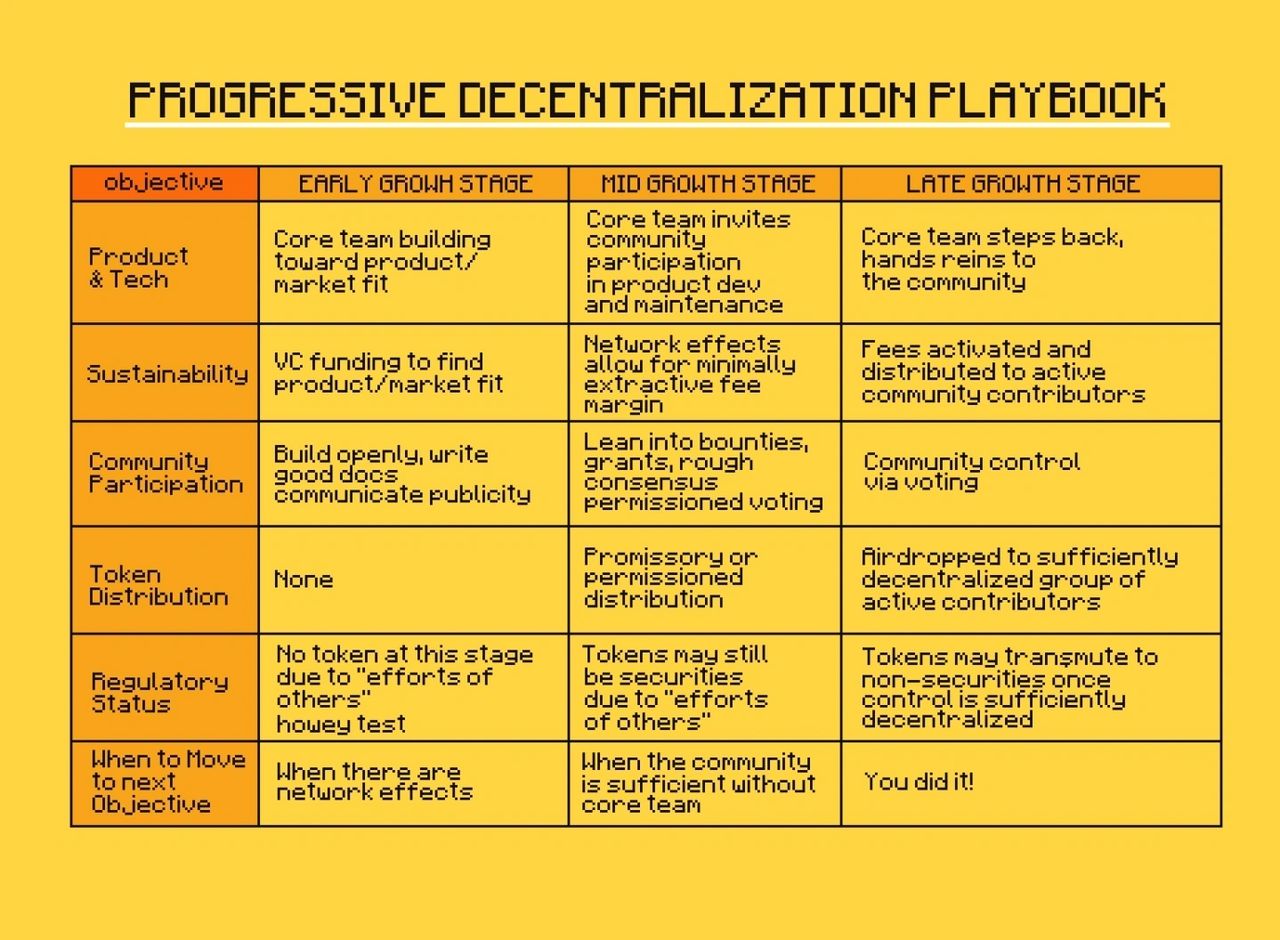
The shift toward decentralized topologies reflects a broader trend in censorship resistance. As seen in the evolving landscape of mesh technology, the goal is not just to hide data, but to make the infrastructure itself ungovernable by any single entity. This requires a fundamental rethinking of how we build and maintain digital connectivity, prioritizing redundancy and encryption over convenience and centralization.
Encrypted messengers as primary tools
When mesh networks provide the physical layer for connectivity, encrypted messengers serve as the logical layer for secure communication. For censorship-resistant communities, these applications are not merely convenient utilities; they are critical infrastructure. Unlike traditional social media platforms that store metadata and content on central servers, end-to-end encrypted (E2EE) apps ensure that only the communicating users can read the messages. This architectural distinction makes them the primary tool for organizing, coordinating, and sharing information in high-risk environments.
The core value of E2EE in this context is the elimination of a single point of failure or interception. In standard messaging, service providers hold the keys to decrypt user data. If a government or adversary issues a subpoena or forces a server shutdown, that data is exposed. E2EE apps like Signal, Wire, or Matrix-based clients operate on a model where encryption keys remain on the user's device. Even if the server is compromised, the intercepted data remains unreadable ciphertext. This protects the privacy of the conversation content, which is often the most sensitive asset in a censorship-resistance strategy.
Beyond content privacy, metadata protection is equally vital. Metadata—the who, when, and how long of a communication—can reveal networks of association and operational patterns. Advanced censorship-resistant tools often minimize metadata retention or route traffic through decentralized networks to obscure these links. For activists and journalists operating under surveillance, the choice of messenger directly impacts their operational security. A tool that leaks contact lists or online status can compromise an entire network, regardless of how well the message content is encrypted.
The reliability of these tools during internet shutdowns or heavy surveillance periods further cements their role as primary infrastructure. While mesh networks handle the "if" of connectivity, encrypted messengers handle the "how" of safe interaction. They provide the necessary trust layer for communities to function without fear of immediate detection or reprisal. As censorship techniques evolve, the adoption of robust, audited E2EE standards becomes a non-negotiable requirement for digital resilience.
Decentralized social media alternatives
Traditional centralized platforms operate as private gatekeepers, capable of removing content or banning users at will. Decentralized social protocols replace this single point of failure with distributed networks. In these systems, no single entity controls the data, making it significantly harder for any one authority to silence a voice. This shift moves social interaction from walled gardens to open infrastructure.
The following comparison highlights how major protocols approach censorship resistance. Each uses different technical mechanisms to ensure that content remains visible and accessible, even if individual nodes or servers attempt to block it.
| Protocol | Architecture | Censorship Resistance Model |
|---|---|---|
| ActivityPub | Federated (Mastodon, etc.) | No central server; users choose hosts. If one blocks content, it remains visible on others. |
| Nostr | Relay-based | Relays store data but cannot modify it. Users can switch relays if one becomes hostile. |
| Lens Protocol | On-chain (Polygon) | Data stored on blockchain. Immutable and permissionless, though subject to network fees and gas constraints. |
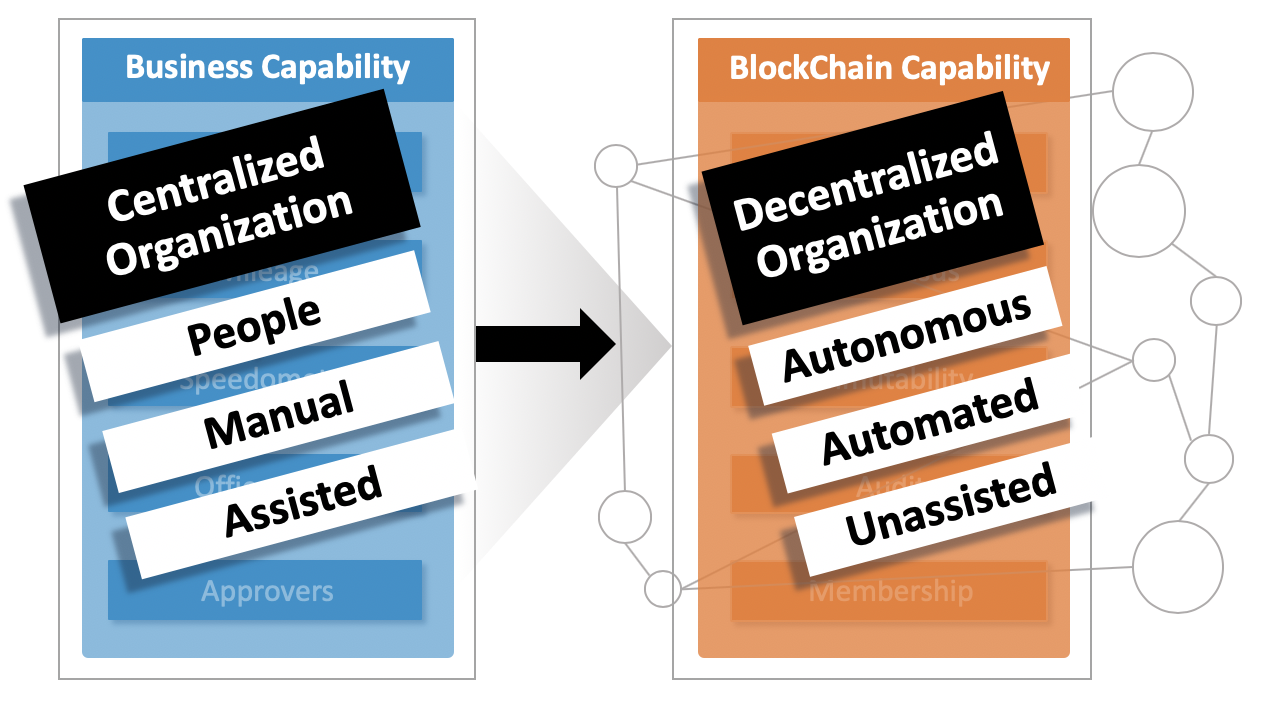
The choice of protocol often reflects a trade-off between ease of use and absolute resistance. Federated networks like ActivityPub rely on community moderation across independent servers, offering a balance between governance and openness. Meanwhile, relay-based or on-chain systems prioritize technical immutability, ensuring that once data is published, it cannot be erased by any single administrator. As regulatory pressures increase, these decentralized alternatives provide a critical infrastructure for free expression.
Essential privacy tech for 2026
As governments from the Middle East to the EU tighten restrictions on standard VPNs, relying on centralized providers is no longer sufficient. Censorship resistance now demands a combination of decentralized infrastructure and encrypted communication tools that do not rely on a single point of failure. The following recommendations focus on hardware and software that prioritize anonymity and resilience against state-level interference.
Decentralized VPNs and Mesh Hardware
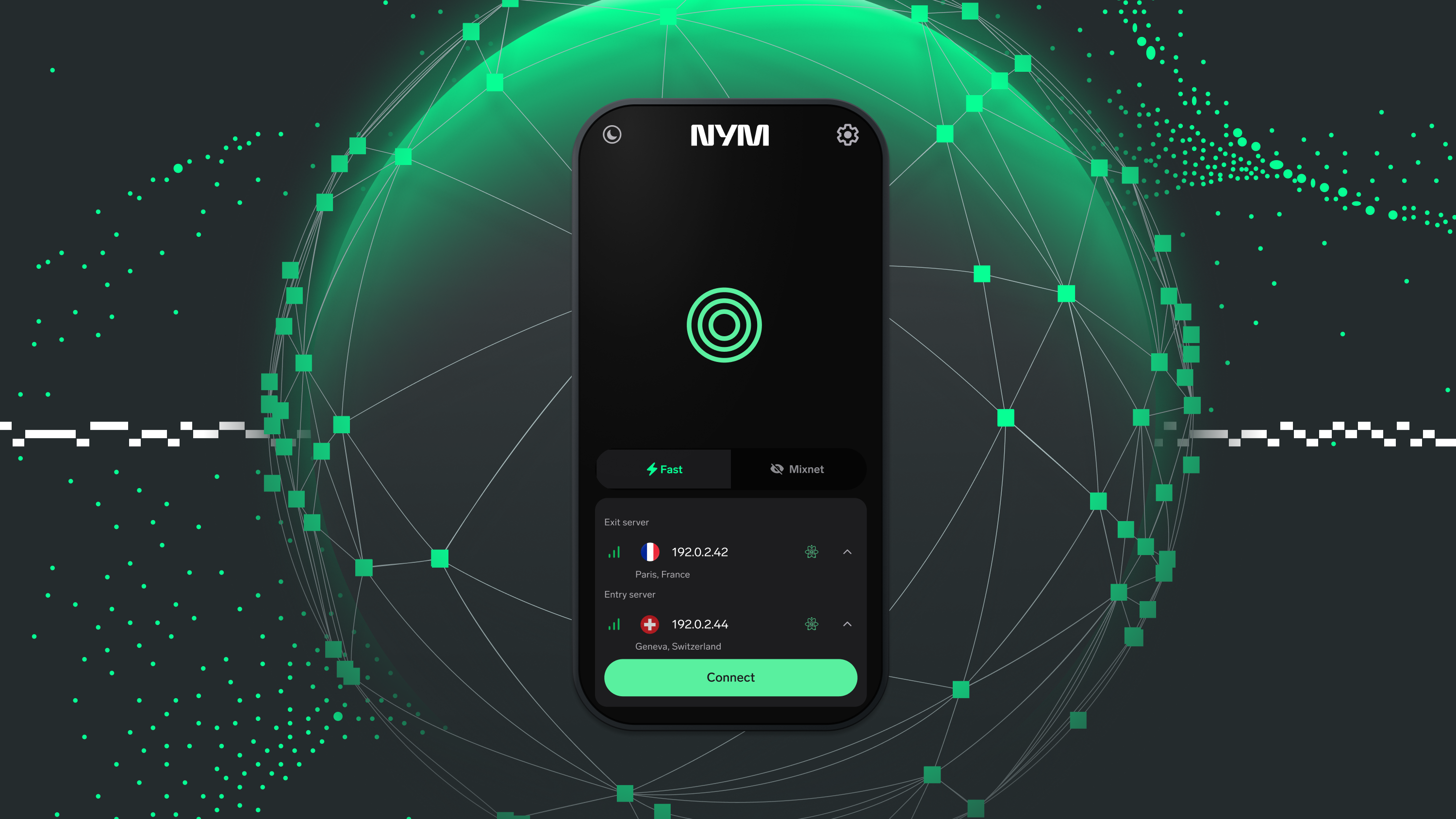
Traditional VPNs route traffic through known servers, making them easy to block or monitor. Decentralized solutions like Nym mix traffic across thousands of nodes, making it difficult for any single entity to trace the origin or destination of data. This approach aligns with the broader shift toward progressive decentralization, where control is distributed rather than held by a central authority.

For hardware, portable mesh networking devices allow users to create local, peer-to-peer networks that bypass internet service provider (ISP) controls. These devices are particularly useful in areas with intermittent connectivity or heavy surveillance.

As an Amazon Associate, we may earn from qualifying purchases.
Frequently asked: what to check next
Is using censorship-resistant software illegal? No. Using tools like mesh networks or encrypted messengers is legal in most democracies. However, exporting or importing certain encryption technologies may be restricted by government regulations. Always check local laws regarding communication tools and data privacy.
Can mesh networks really bypass internet shutdowns? Yes, but with limits. Mesh networks create decentralized connections between devices, allowing communication even when central ISPs are cut off. Their effectiveness depends on device density and infrastructure; they work best in urban areas with many participants.
How secure are encrypted messengers against government surveillance? End-to-end encryption (E2EE) ensures only sender and recipient read messages. While platforms cannot access content, metadata (who you spoke to, when) may still be visible. Laws vary by country regarding data retention and handover requests.
What is the difference between censorship resistance and anonymity? Censorship resistance means no single entity can block participation or content. Anonymity hides your identity. You can be censorship-resistant (e.g., using Bitcoin) while being pseudonymous or identifiable depending on the protocol design.
No comments yet. Be the first to share your thoughts!