Why decentralized hosting beats AI moderation
The landscape of content control shifted dramatically in 2026. Centralized AI moderation, once touted as a neutral arbiter, has become the primary tool for censorship. As noted by researchers at the Carnegie Endowment, AI-empowered censorship is now deeply embedded in both public and private domains, particularly in regions with strict digital governance. In the West, the trend is similar; many AI models are heavily censored, often more so than their counterparts in other regions.
This concentration of power creates a fragile system. A single policy change or algorithmic update by a major tech provider can silence entire communities overnight. Decentralized hosting offers a robust alternative. By distributing data across a network of nodes, no single entity can unilaterally delete or alter content. This architecture is essential for achieving true censorship resistance.
The shift is not just technical; it is philosophical. Centralized systems prioritize safety and compliance, often at the cost of free expression. Decentralized protocols prioritize availability and immutability. While they may struggle with spam or illegal content moderation, they ensure that legitimate discourse cannot be erased by a corporate decision. For users seeking resilience against digital suppression, this distinction is critical.
5 Decentralized Protocols for Censorship Resistance in 2026
As regulatory frameworks tighten in 2026, the demand for robust censorship resistance infrastructure has shifted from theoretical models to deployed, tangible protocols. This roundup evaluates five specific decentralized networks that offer verifiable, censorship-resistant data layers, prioritizing concrete implementations over abstract concepts.
-
Arweave: Permanent storage for uncensorable data
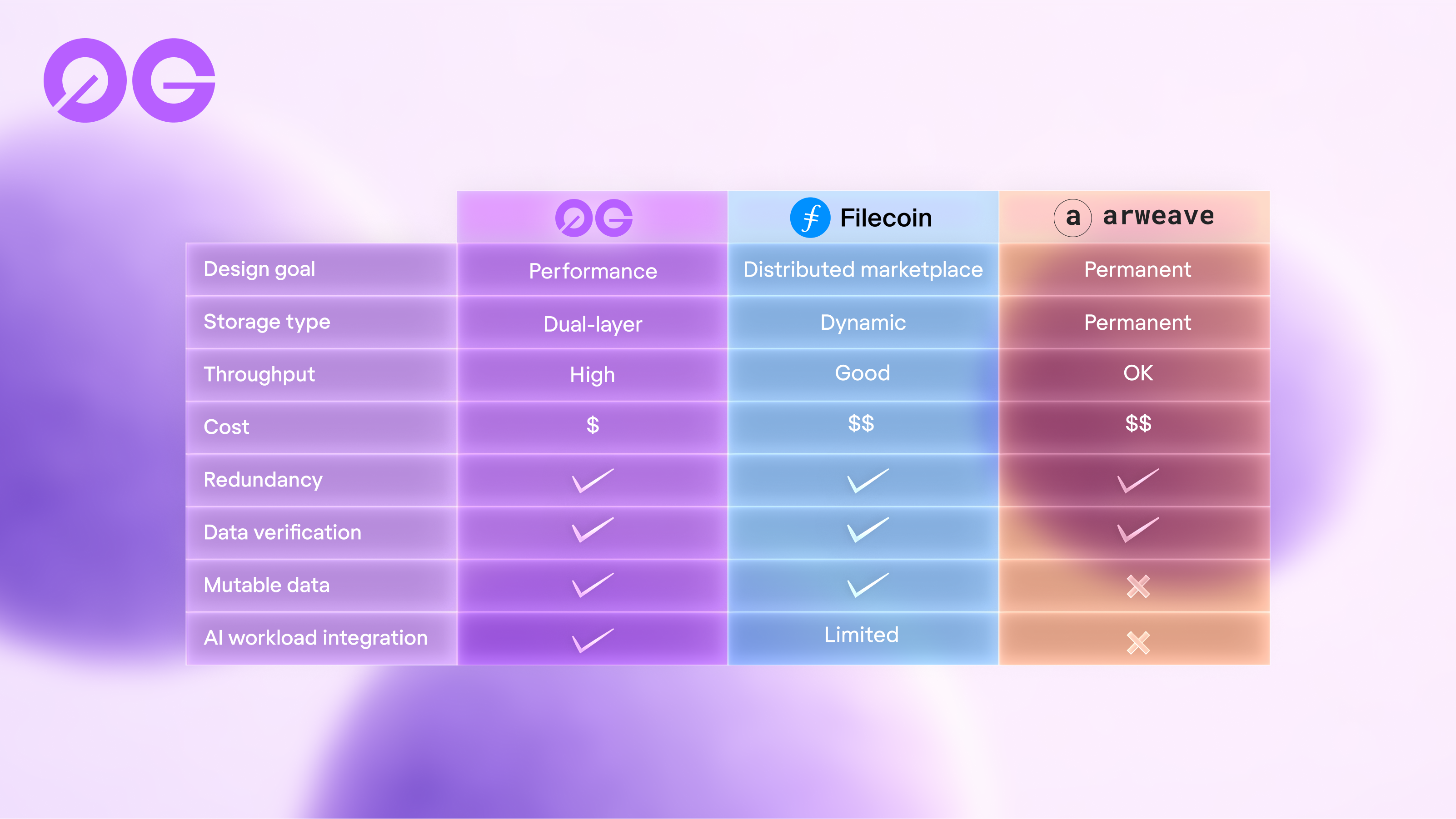
Arweave utilizes a pay-once-store-forever model, creating an immutable ledger for AI training data and reference materials. By anchoring content to a permanent blockchain, it ensures that critical information remains accessible even if centralized servers go offline. This permanence is vital for maintaining historical integrity and preventing the retroactive erasure of facts by powerful entities. -
IPFS: Content-addressed file distribution
The InterPlanetary File System replaces location-based URLs with content hashes, ensuring files are retrieved based on what they are rather than where they sit. This architecture prevents single points of failure, allowing AI models to access training datasets from multiple nodes simultaneously. It creates a resilient distribution network that resists takedowns and maintains data availability across a global peer-to-peer network. -

Lens Protocol: User-owned social graph
Lens Protocol stores social connections and profiles on Polygon, giving users full ownership of their digital identity and network. Unlike traditional platforms, this data cannot be arbitrarily deleted or suppressed by a central corporation. For AI applications, it provides a transparent, verifiable layer of social interaction data that remains intact regardless of platform policy changes or server outages. -

Nostr: Simple, censorship-resistant messaging
Nostr employs a simple relay-based architecture where users can choose their own information sources, bypassing centralized gatekeepers. This design allows for robust communication channels that are difficult to shut down completely. AI systems can tap into these diverse relays to gather unfiltered human sentiment and news, ensuring a broader and more authentic dataset for analysis and training purposes. -

Farcaster: Decentralized social with identity
Farcaster separates identity from infrastructure, allowing users to maintain their social presence across different client applications. This modularity ensures that social graphs remain portable and resistant to platform-specific censorship. By decoupling the user from the host, it creates a stable environment for AI-driven social analytics that relies on consistent, long-term user engagement data rather than volatile platform metrics.
Comparing protocol strengths and trade-offs
Choosing the right infrastructure for censorship resistance requires balancing technical control against user accessibility. The five protocols differ significantly in how they handle data permanence, social connectivity, and onboarding complexity. This comparison highlights where each solution excels and where it may fall short for specific use cases.
| Protocol | Storage Model | Social Graph | Ease of Use |
|---|---|---|---|
| Arweave | Permanent (pay once) | None (file-only) | Medium |
| IPFS | Distributed (pinned) | None (file-only) | High |
| Lens | On-chain (POAP) | Owned (composable) | Medium |
| Nostr | Relay-based | Decentralized | High |
| Farcaster | On-chain (Frames) | Owned (Warpcast) | High |
Arweave offers the strongest guarantee against data loss through its "pay once, store forever" model, making it ideal for immutable records. However, it lacks native social features, requiring additional layers for community interaction. IPFS provides a more flexible, peer-to-peer file storage system that is easier to integrate but depends on nodes to keep content alive.
For social applications, Lens and Farcaster provide owned social graphs, allowing users to migrate their identity across apps. Nostr stands out for its simplicity and censorship resistance at the relay level, though it requires users to manage their own keys. Lens offers a more polished, Web2-like experience for newcomers, while Nostr appeals to those prioritizing minimal infrastructure.


As an Amazon Associate, we may earn from qualifying purchases.
Frequently asked questions about Web3 speech
Can decentralized protocols actually bypass state-level filters?
Decentralized protocols like IPFS and Nostr operate outside traditional server infrastructure, making them difficult for any single government to shut down completely. While they do not guarantee total anonymity, they provide the technical resilience needed to host content that would otherwise be removed by centralized AI moderation systems. For practical implementation, users often rely on dedicated hardware or encrypted storage solutions to maintain access.
Are these protocols secure against data breaches or tampering?
The security of decentralized speech relies on cryptographic verification rather than corporate trust. Content stored on these networks is immutable and distributed across nodes, meaning no single point of failure exists. However, users must still manage their own private keys and storage backups to ensure their data remains accessible and uncorrupted over time.
How do I access these networks without being flagged?
Access typically requires specific software clients rather than standard web browsers. Many users pair these tools with privacy-focused hardware or encrypted drives to isolate their activity. The goal is to create a technical barrier that prevents easy correlation between your identity and the content you host or consume.
No comments yet. Be the first to share your thoughts!