
In the relentless push for Ethereum scalability, Layer 2 chains promise throughput without sacrificing the bedrock security of the base layer. Yet, a nagging vulnerability persists: sequencers. These critical components order transactions before batching them into proofs for L1 settlement. Centralized sequencers, common in many zk-Rollups, introduce censorship risks that undermine the decentralized ethos. Enter zero-knowledge proofs in sequencers- a fusion poised to forge truly ZK proofs censorship resistant sequencers.
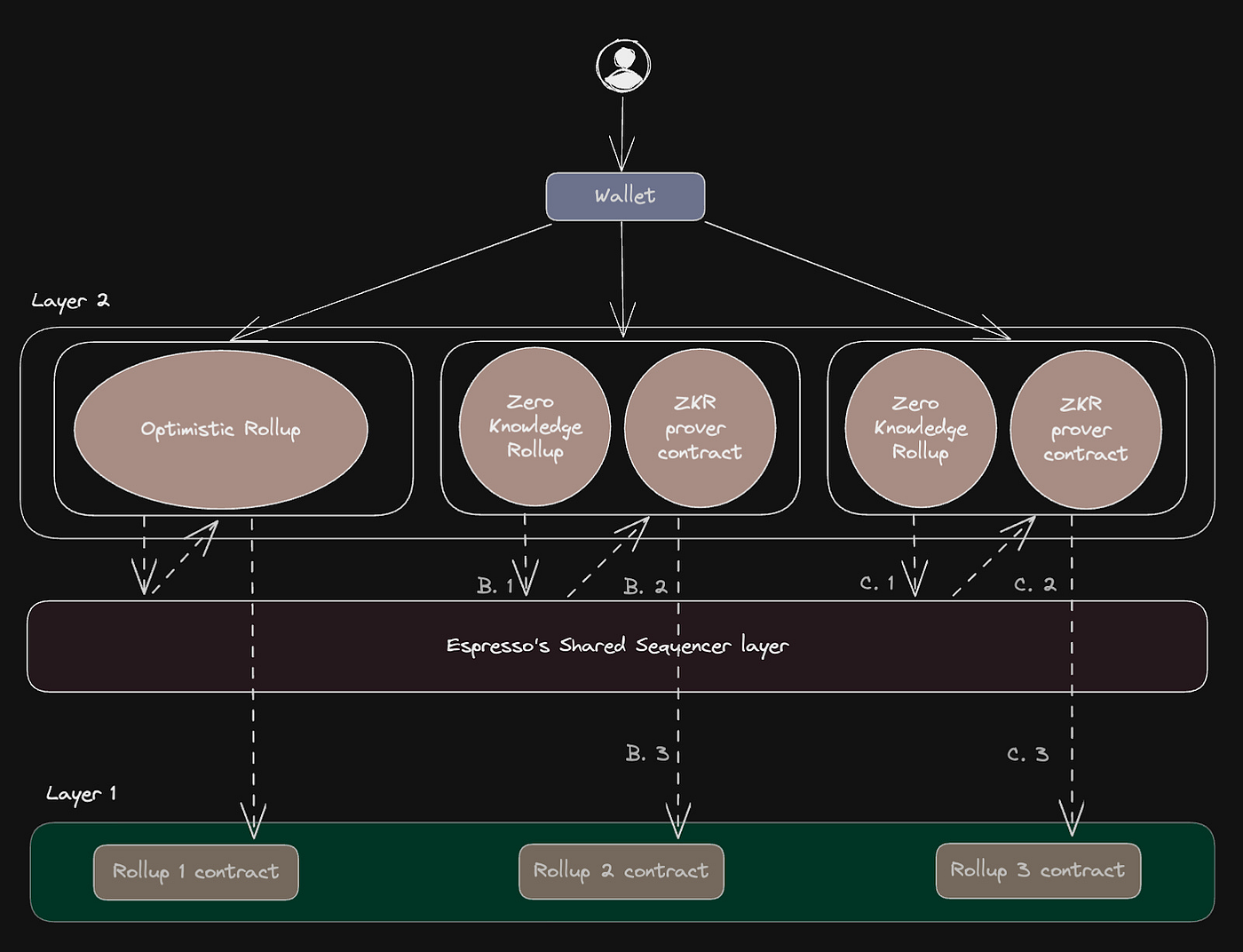
Sequencers aren't mere middlemen; they dictate transaction flow in L2 ecosystems. In optimistic rollups, they propose batches subject to fraud proofs. ZK-Rollups, however, leverage validity proofs to affirm execution instantaneously. Still, when one entity monopolizes sequencing, it wields outsized control. A rogue operator could reorder trades for MEV extraction or outright suppress transactions, echoing the very centralization L2s aim to evade. Recent analyses, like those from zkSecurity, underscore that true L2 security inheritance from L1 demands specific properties- chief among them sequencer neutrality.
Centralized Sequencers: The Hidden L2 Achilles Heel
Picture this: an L2 chain humming at thousands of TPS, but a single sequencer holds the keys. Projects like early zk-Rollups relied on operator-led sequencing for efficiency, trading decentralization for speed. This works until it doesn't. Downtime cascades into user frustration; worse, adversarial control enables censorship. StarkNet's proof system, for instance, struggles with failed transactions, amplifying sequencer leverage over validity.
Centralized vs. Censorship-Resistant Sequencers: Key Differences
| Aspect | Centralized Sequencers | Censorship-Resistant Sequencers |
|---|---|---|
| Validity Proofs | Generated by a single sequencer, relying on centralized execution traces; potential for manipulation or censorship | Leverage Zero-Knowledge Proofs (ZKPs) for distributed validity proofs, ensuring trustless verification on L1 without revealing transaction details |
| Transaction Failures | Sequencer can selectively ignore or censor failed transactions; ZKP systems like StarkNet cannot prove failures, leading to opacity | Decentralized mechanisms force transaction inclusion; ZKPs provide cryptographic guarantees for both successful and failed states, enhancing transparency |
| Decentralization Efforts | Single point of failure; controlled by one entity, vulnerable to downtime or censorship | PoS networks (e.g., Payy with HotStuff consensus), shared sequencer networks, or 'vanilla-based sequencing' reusing L1 proposers for distributed responsibility and liveness |
Shared sequencer visions, as explored by Dartmouth Blockchain researchers, highlight the fix: distribute duties across a network. Yet, coordination remains tricky without robust primitives. Enter HotStuff consensus in setups like Payy Network's PoS sequencer pool, dispersing power while maintaining liveness. Opinion: this is progress, but incomplete without cryptographic muscle. Centralized points persist in prover selection or dispute resolution, eroding the censorship resistance L2s crave.
ZKPs: Cryptographic Guardians for L2 Sequencer Order
In zk-Rollups, validity proofs ensure state transitions without revealing data, but sequencers must prove fair ordering too.
Zero-knowledge proofs extend beyond batch validation to sequencer operations themselves. Imagine a decentralized sequencer set where nodes compete to order transactions, then attest to their sequence via ZK-SNARKs or STARKs. Validity holds if the proof confirms inclusion, ordering, and execution sans censorship. Ethrex L2 exemplifies this: a ZK-rollup client proving blocks on L1, sidestepping single-operator pitfalls.
Vanilla-based sequencing takes it further, recycling L1 proposers as L2 sequencers. Ethereum's slot proposers, already decentralized via PoS, inherit censorship resistance from PBS and proposer-builder separation. Aligning L2 with L1 trust assumptions minimizes new vectors. zkSecurity's formal models affirm: L2s inherit L1 security only if sequencers mirror base-layer decentralization.

Decentralized ZK Sequencers: Blueprints for Resilience
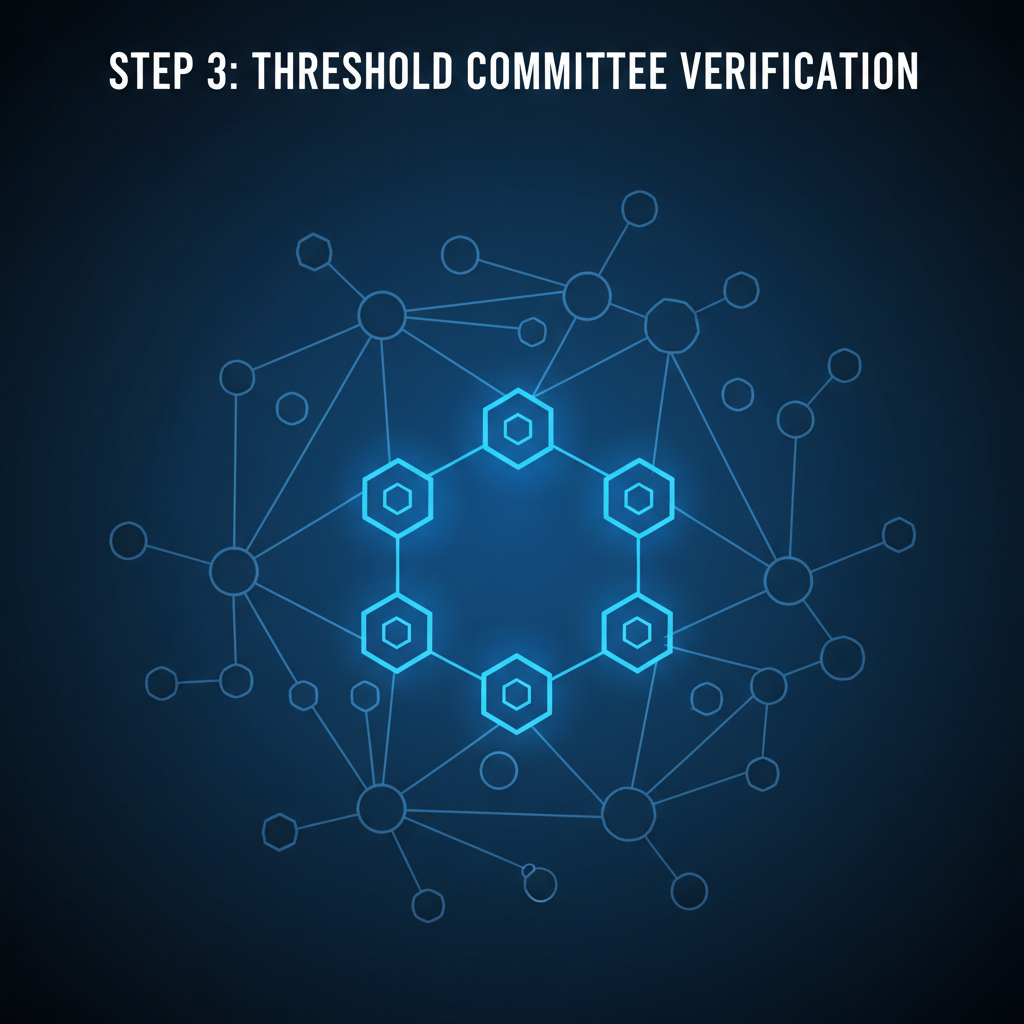
Building decentralized ZK sequencers demands more than PoS incentives. Enter threshold cryptography and distributed proving. Sequencer committees generate shared keys, signing ordered batches collectively. ZKPs verify the committee's honest majority acted without collusion. Uniswap's Unichain nods to this future, blending ZK-Rollups with sequencing innovations for DeFi sovereignty.
DAVINCI's blueprint intrigues: zk-proofs enforce rules on a sequencer mesh, rendering voting- or any app- unstoppable. LambdaClass's Ethrex pushes ZK client-side proving, democratizing verification. Challenges linger, though. Proving overhead scales poorly; recursive proofs or hardware acceleration beckon. Still, the trajectory is clear: L2 sequencer zero knowledge integration fortifies against oppression.
Fellowship of Ethereum Magicians charts a roadmap: ecosystem-wide provers for neutrality. As L2s mature, ZKPs in sequencers won't just scale; they'll safeguard the digital town square from gatekeepers.
Proving latency remains the thorniest hurdle. Generating ZK proofs for sequencer ordering demands computational heft, often bottlenecking real-time TPS. Recursive SNARKs or STARK-friendly hardware like GPUs offer palliatives, yet full decentralization hinges on distributed proving networks. Projects like Payy Network's HotStuff-PoS fusion distribute sequencing sans single points, but ZKPs elevate this to provable fairness. My take: developers must prioritize L2 sequencer zero knowledge primitives early; retrofits invite fragility.
Overcoming Proof Overhead: Engineering Censorship-Resistant Sequencers
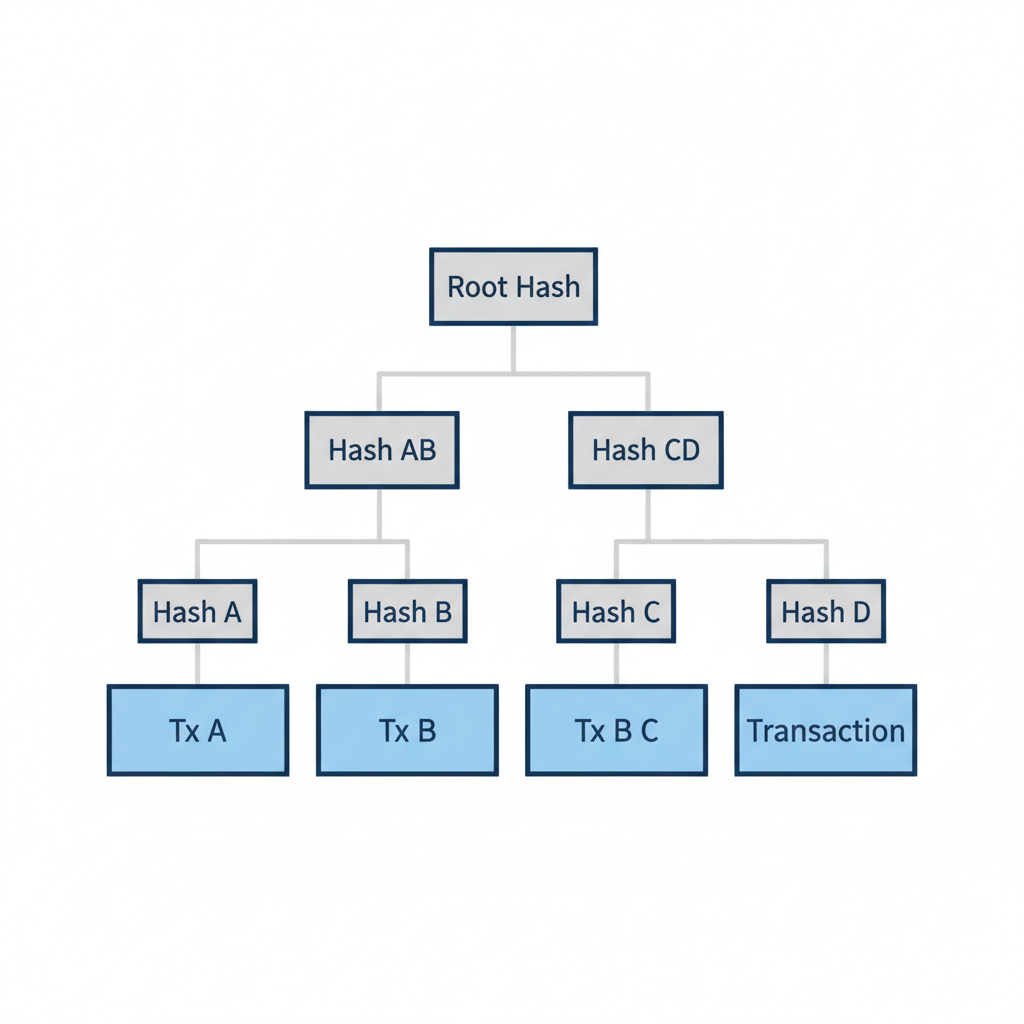
Threshold signatures pair elegantly with ZKPs here. A committee of sequencers crafts a Merkle tree of transactions, ZK-proving canonical ordering against a mempool snapshot. L1 verifies the proof, forcing inclusion or slashing colluders. This mirrors Ethereum's PBS, extending censorship resistance upward. LambdaClass's Ethrex L2 client pushes boundaries further, enabling any node to prove blocks client-side for unassailable verification.
Comparison of Sequencer Models: Centralized vs Decentralized PoS vs ZK-Decentralized
| Model | Censorship Resistance | Liveness | Proving Cost | Examples |
|---|---|---|---|---|
| Centralized | Low ❌ (single point of failure, can censor or delay txs) | Medium ⚠️ (depends on operator availability) | Low (no ZK proofs needed) | Most L2s (e.g., early Optimism, Arbitrum) |
| Decentralized PoS | High ✅ (distributed nodes, economic incentives) | High ✅ (consensus like HotStuff) | Medium (consensus overhead) | Payy Network, Shared Sequencers |
| ZK-Decentralized | Very High ✅ (ZKPs ensure validity without trust) | High ✅ (leverages L1 or decentralized provers) | High (ZK proof generation) | Ethrex L2, DAVINCI, vanilla-based sequencing |
Vanilla sequencing reuses L1 proposers directly, inheriting Ethereum's 32 ETH stake and inclusion lists. No novel trust; pure alignment. zkSecurity's formalisms quantify this: L2 censorship resistance equals L1's if sequencers embed proposer liveness. Gate. com notes StarkNet gaps, like unprovable failures, underscoring why full ZK coverage across success and failure states is non-negotiable.
DeFi stands to gain immensely. MEV auctions warp under decentralized ZK sequencers, as proofs enforce fair order without builder opacity. Uniswap's Unichain experiments hint at this, wedding ZK-Rollups to resilient sequencing for borderless swaps. Privacy advocates cheer too; ZKPs veil transaction details while attesting inclusion, echoing o1Labs' voting proofs.
Developer Roadmap: Deploying Decentralized ZK Sequencers Today
Forward-thinking builders can prototype now. Start with OP Stack or ZKsync's modular kits, grafting threshold ZK modules. Payy's PoS blueprint provides open-source scaffolding, while Vocdoni's DAVINCI reveals app-specific tweaks for governance apps. Balance is key: over-engineer proofs, and costs spiral; underdo it, and censorship lurks.
ZK-Proof Integration for Censorship-Resistant L2 Sequencers
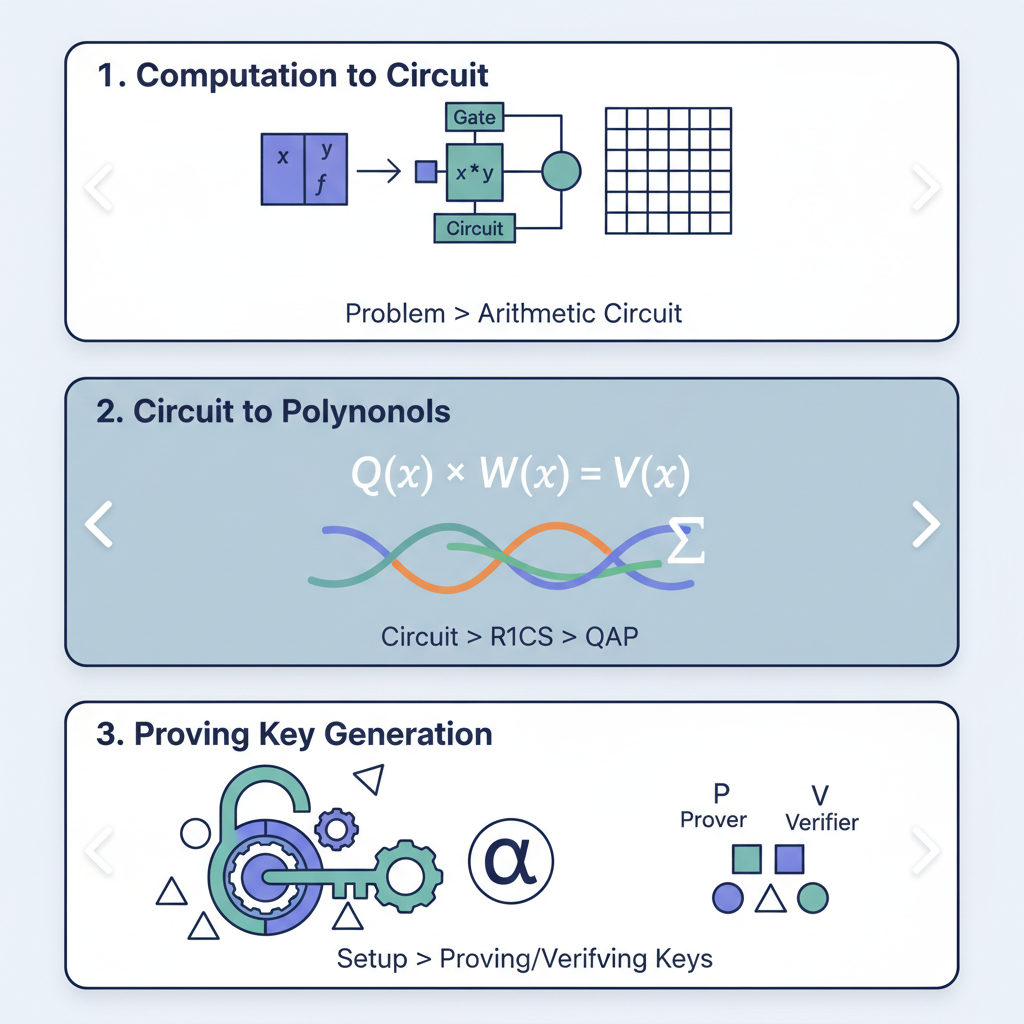
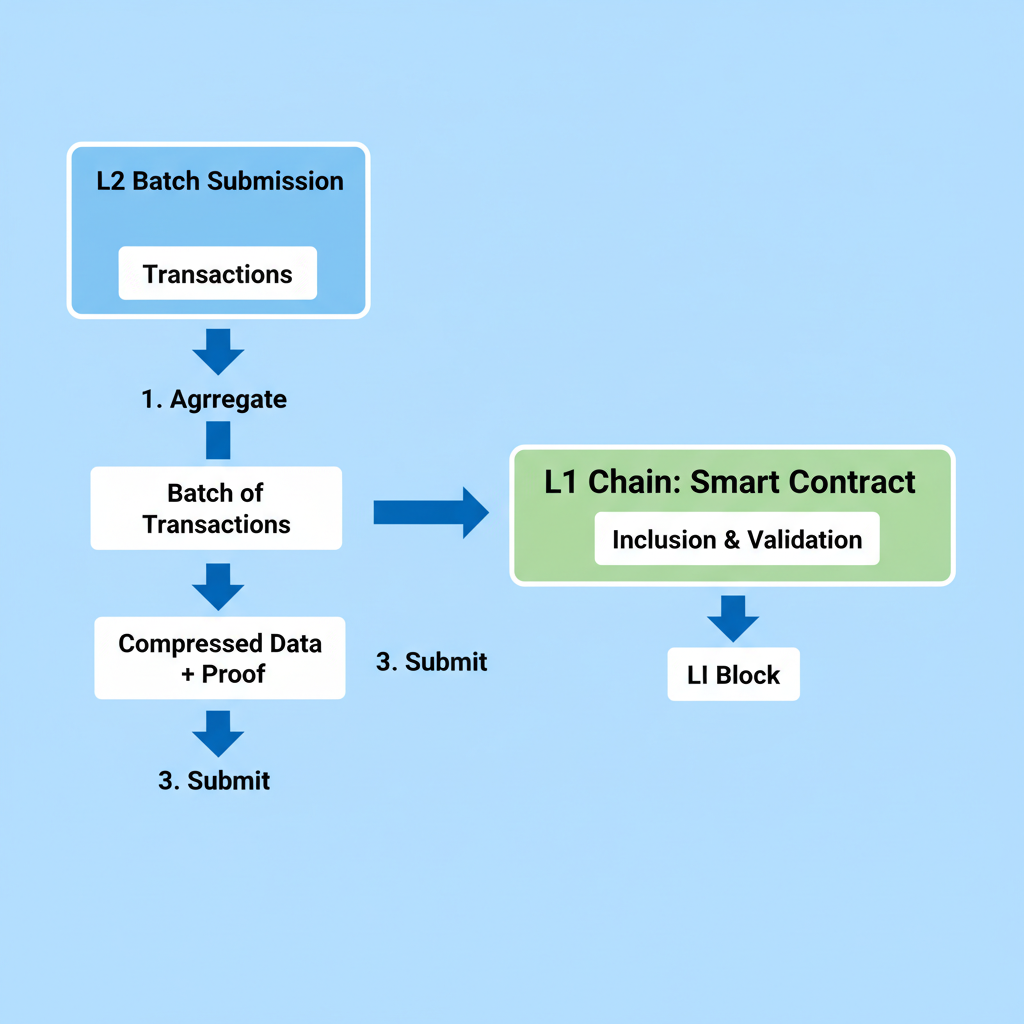
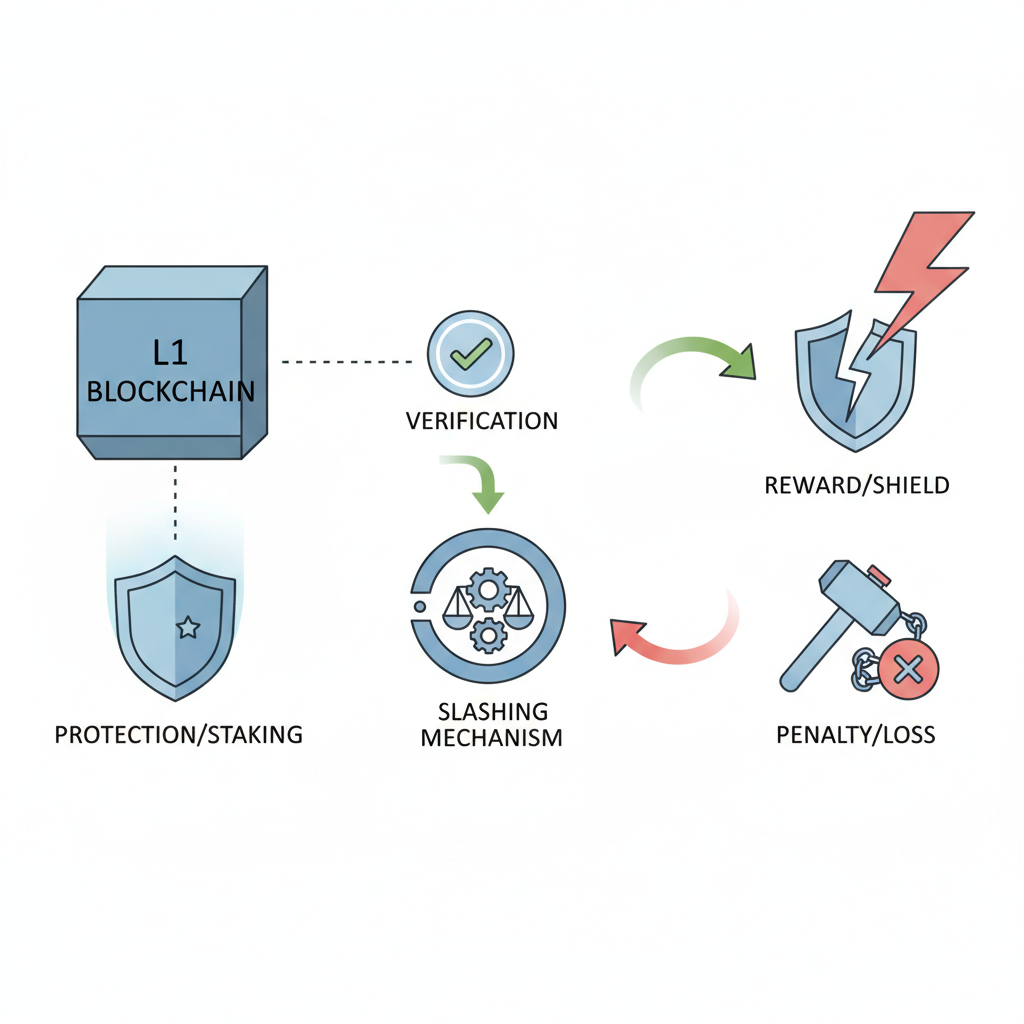
Performance metrics illuminate the path. Early tests show ZK-sequencer latency hovering at 100-500ms per block, viable for DeFi but taxing for gaming. Scaling via aggregation or FRI protocols beckons.
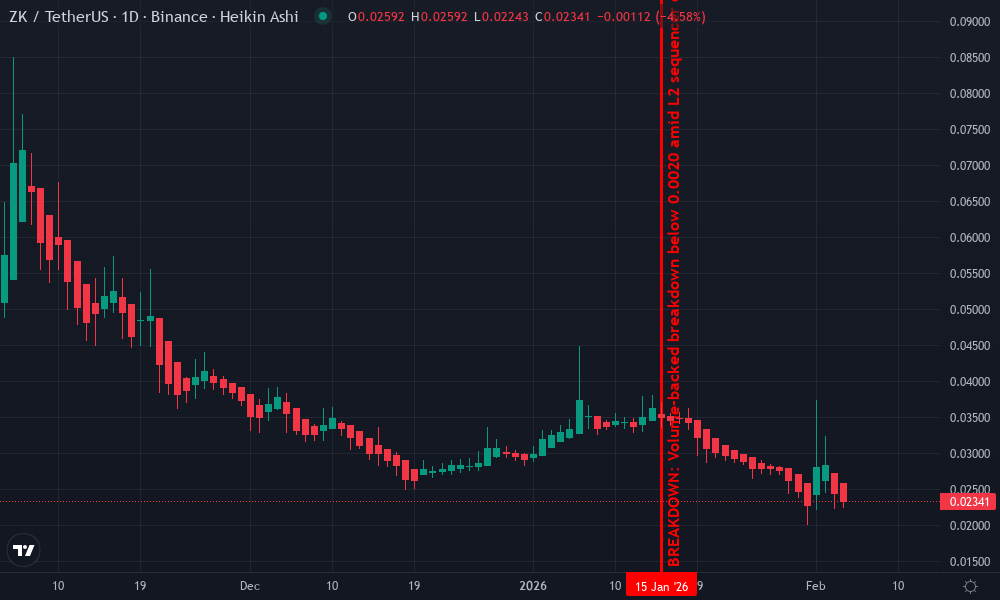
zkSync Technical Analysis Chart
Analysis by Michael Brown | Symbol: BINANCE:ZKUSDT | Interval: 1D | Drawings: 6
Technical Analysis Summary
As Michael Brown, with my hybrid analysis style blending technical patterns with zkSync's strengthening L2 fundamentals amid sequencer decentralization efforts, draw the following on the ZKUSDT chart: 1. Main downtrend line from peak at 2026-01-05 high (0.0040) to recent low at 2026-02-04 (0.0010), using trend_line tool in red. 2. Minor uptrend bounce from 2026-01-25 low (0.0012) to 2026-02-01 high (0.0018), green trend_line. 3. Horizontal supports at 0.0010 (strong) and 0.0015 (moderate), resistance at 0.0020 (moderate) and 0.0030 (weak). 4. Rectangle for recent consolidation 2026-01-28 to 2026-02-04 between 0.0012-0.0016. 5. Long entry zone at 0.0012 with stop below 0.0010, target 0.0020. 6. Volume callout on spike down 2026-01-15 'Bearish volume surge'. 7. MACD arrow_mark_down at bearish crossover ~2026-01-20. 8. Vertical line at 2026-02-04 for recent L2 news context. Balance these with fib retracement 38.2% at 0.0022 from major drop.
Risk Assessment: medium
Analysis: Bearish technicals countered by zkSync L2 fundamentals improving censorship resistance; volatility high but supports hold
Michael Brown's Recommendation: Scale into longs at 0.0012 with 1:2 RR, monitor for sequencer news breakout—balance risk for sustainable gains
Key Support & Resistance Levels
📈 Support Levels:
- $0.001 - Strong volume-supported bottom, aligns with 2026 cycle lows strong
- $0.002 - Moderate retest zone from mid-Jan bounce moderate
📉 Resistance Levels:
- $0.002 - Key overhead from prior consolidation high moderate
- $0.003 - Weak psychological level from early drop weak
Trading Zones (medium risk tolerance)
🎯 Entry Zones:
- $0.001 - Dip buy at strong support with volume divergence and L2 news tailwinds medium risk
🚪 Exit Zones:
- $0.002 - Initial profit target at resistance confluence 💰 profit target
- $0.001 - Tight stop below key support to manage downside 🛡️ stop loss
Technical Indicators Analysis
📊 Volume Analysis:
Pattern: Increasing on downside spikes, low on recoveries indicating distribution pressure
Bearish volume profile with climactic sell-off on 2026-01-15
📈 MACD Analysis:
Signal: Bearish crossover in late Jan, histogram contracting
Momentum shift confirming downtrend but divergence hinting exhaustion
Applied TradingView Drawing Utilities
This chart analysis utilizes the following professional drawing tools:
Disclaimer: This technical analysis by Michael Brown is for educational purposes only and should not be considered as financial advice. Trading involves risk, and you should always do your own research before making investment decisions. Past performance does not guarantee future results. The analysis reflects the author's personal methodology and risk tolerance (medium).
GitHub docs on private ZK-Rollups spotlight L1 queues as censorship antidotes, letting users bypass sequencers directly. Ethereum Magicians' roadmap envisions shared provers as the neutral core, ecosystem-wide. As 2026 unfolds, with L2 TVL cresting new highs, decentralized ZK sequencers emerge not as luxury, but necessity. They entrench data sovereignty, letting developers craft apps impervious to regulatory whims or operator malice. Privacy, after all, hedges against digital overreach- a mantra for resilient chains.



No comments yet. Be the first to share your thoughts!