
Censorship resistance 2026: The new baseline
Censorship resistance in 2026 is no longer just a philosophical ideal for blockchains; it is a measurable economic barrier. In simple terms, it is the cost an adversary must pay to successfully block a valid transaction for a specific period. If the cost of censorship exceeds the value of the transaction itself, the system is considered resistant.
This concept applies across multiple layers of the web. On-chain, it means miners or validators cannot blacklist addresses or reject transactions that meet protocol rules. Off-chain, it involves decentralized networks like Nym or mesh protocols that prevent ISPs and governments from blocking access to information. The goal is the same: make it too expensive or technically difficult to silence a user.
Bitcoin remains the benchmark. Its design ensures that anyone can broadcast a transaction and miners globally can include it in a block. No single entity can undo or stop it. As we look at 2026, the focus shifts from pure decentralization to resilience against strategic secondary censorship, where intermediaries are pressured to filter content.
| Layer | Mechanism | 2026 Focus |
|---|---|---|
| On-chain | Validator incentives | Measuring censorship cost vs. tips |
| Network | Decentralized routing | Resisting ISP-level VPN blocks |
| Application | P2P protocols | Maintaining uptime during outages |
Censorship resistance 2026 choices that change the plan
Censorship resistance is not a binary switch; it is a spectrum of tradeoffs between autonomy, speed, and cost. In 2026, the primary keyword cluster for this space centers on how mesh networks and P2P protocols balance these factors against increasingly sophisticated state-level censorship. Understanding these tradeoffs is essential for selecting the right infrastructure for your specific threat model.
The Tradeoff Matrix
The following comparison highlights the core tradeoffs between centralized exchanges, Layer 2 rollups, and decentralized P2P networks. Each option offers a different balance of resistance and usability.
| Model | Censorship Resistance | Transaction Speed | Cost | Best Use Case |
|---|---|---|---|---|
| Centralized Exchange | Low | High | Low | High-frequency trading |
| Layer 2 Rollups | Medium | High | Low | Everyday payments |
| Bitcoin L1 | High | Low | Medium | Store of value |
| P2P Mesh Networks | Very High | Variable | Low | Activism & offline comms |
Evaluating Your Threat Model
Your choice depends on who you are resisting. If you are resisting corporate surveillance, a Layer 2 rollup may suffice. If you are resisting state-level interference, you need the decentralized architecture of Bitcoin or mesh networks. Bitcoin’s design ensures that no government can blacklist transactions, but this comes with slower confirmation times. Mesh networks, by contrast, can operate offline, providing resistance even when internet infrastructure is shut down.
Visualizing Network Resilience
The following chart illustrates the volatility and resilience patterns of Bitcoin, a primary benchmark for censorship-resistant assets. While volatility reflects market sentiment, the network’s uptime and transaction inclusion rates remain consistently high, demonstrating the underlying infrastructure’s robustness.
Making the Decision
Start by identifying your primary adversary. For most users, a combination of a privacy-focused wallet and a Layer 2 solution offers a practical balance. For high-risk environments, such as those described in Nym’s 2026 roadmap, decentralized VPNs and mesh networks become necessary. Remember that censorship resistance is not just about technology; it is about the willingness to pay the price in speed or convenience for the sake of autonomy.
Choose the right censorship resistance model
Censorship resistance is not a binary switch; it is a spectrum of tradeoffs between privacy, latency, and cost. To build a resilient system, you must first identify the specific threat vector you are defending against. Are you protecting against state-level surveillance, platform-level deplatforming, or transaction-level exclusion? The answer dictates your architecture.
1. Assess the threat model
Start by mapping the adversary. If the threat is a centralized exchange freezing assets, a public blockchain like Bitcoin provides sufficient resistance through its open mempool and global miner base. Bitcoin’s design ensures that no single entity can blacklist a wallet address or stop a valid transaction from propagating. However, if the threat is network-level blocking of your application’s API, a blockchain alone is insufficient.
2. Select the transport layer
For applications facing ISP or government-level blocking, you need a transport layer that obscures traffic patterns. Mesh networks and mix-nets like Nym route traffic through multiple relays, breaking the link between the user and the destination. This is distinct from traditional VPNs, which rely on trusting a single provider. In 2026, as regulatory pressure on centralized VPNs grows in regions like the EU and Middle East, decentralized mix-nets offer a more durable path for censorship-resistant communication.
3. Evaluate on-chain inclusion costs
For decentralized auctions or token sales, censorship resistance is often measured by the cost to suppress a transaction. Research defines this as the price an adversary must pay to exclude a valid transaction for a fixed time. If your system relies on a single sequencer, that entity can censor by simply ignoring your transactions. To counter this, consider using decentralized sequencers or rollups with open proposal markets, where anyone can include transactions, raising the cost of censorship.
4. Compare infrastructure options
The following comparison highlights the core tradeoffs between common approaches to censorship resistance.
5. Implement a hybrid approach
No single protocol solves every problem. A robust censorship-resistant application often combines layers. Use a mix-net like Nym for the initial connection to hide your IP, route requests through a decentralized storage layer like IPFS, and settle final state on a high-security blockchain. This defense-in-depth strategy ensures that even if one layer is compromised, the core function remains available.
-
Define your primary threat actor (state, corp, or ISP)
-
Select a transport layer that obscures traffic patterns
-
Ensure your smart contracts are deployed on a high-security chain
-
Test for single points of failure in your API gateway


As an Amazon Associate, we may earn from qualifying purchases.
Avoid the weak options
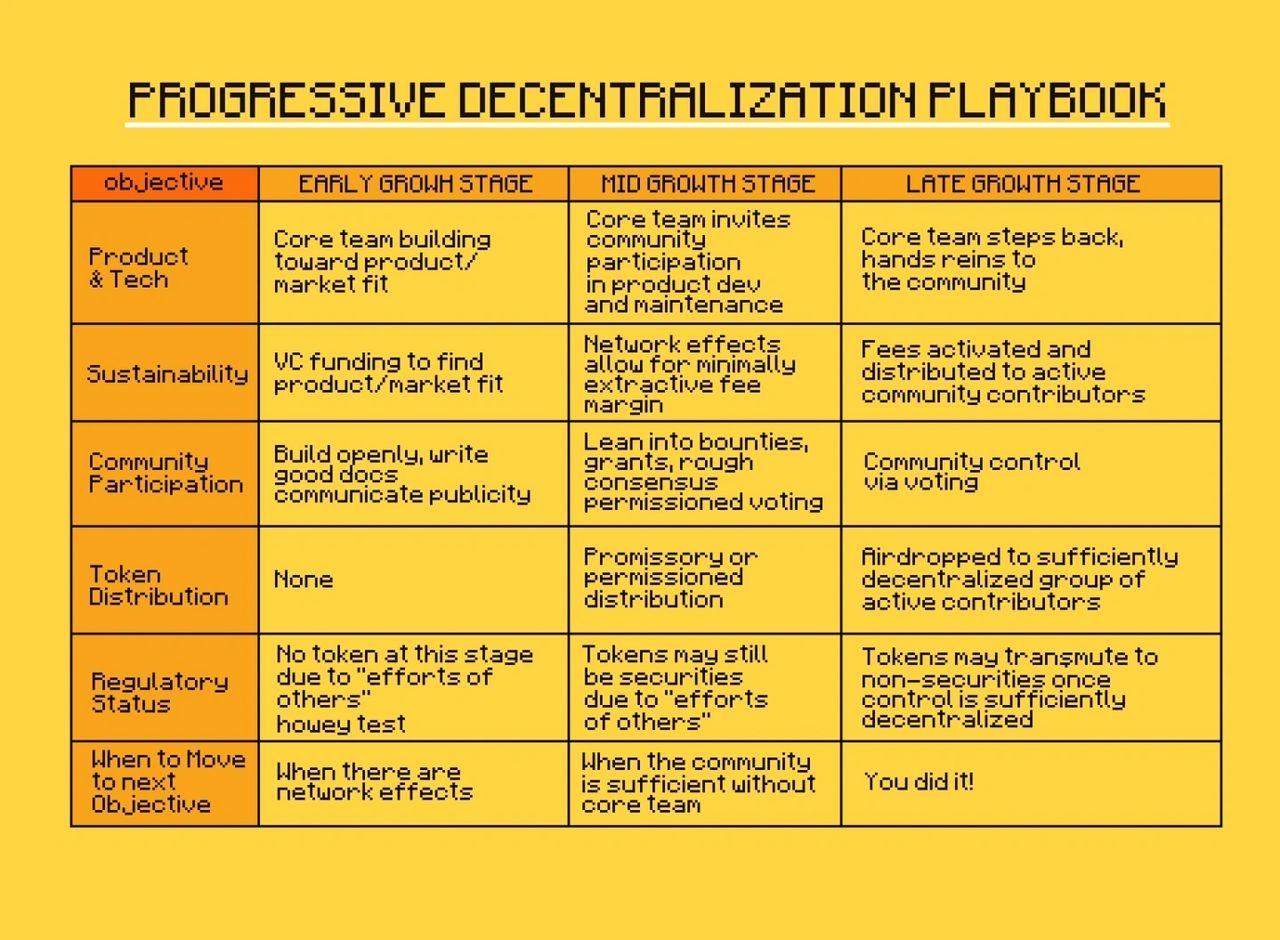
Use this section to make the The Decentralization Playbook decision easier to compare in real life, not just on paper. Start with the reader's actual constraint, then separate must-have requirements from details that are merely nice to have. A practical choice should survive normal use, maintenance, timing, and budget. If a recommendation only works in an ideal situation, call that out plainly and give the reader a fallback path.
The simplest way to use this section is to write down the must-have criteria first, then compare each option against those criteria before weighing nice-to-have features.
Censorship resistance 2026: what to check next
As governments tighten internet controls, understanding how decentralized systems actually work is essential. Here are the most common questions about censorship resistance in 2026.
What is censorship resistance in blockchain?
Censorship resistance means no single party can prevent valid transactions from processing. As long as technical requirements are met, the network must approve them. This ensures governments or organizations cannot interfere with transactions regardless of their influence.
How is Bitcoin censorship resistant?
Bitcoin’s design prevents any government, company, or individual from stopping, undoing, or blacklisting transactions. Anyone can send a transaction to the network, and miners globally can include it in a block. This decentralization makes it nearly impossible to block specific wallets or addresses.
What is censorship resistance in Onchain auctions?
In Onchain auctions, censorship resistance is measured by the cost for an adversary to block a transaction for a fixed time. It is a function of the associated tip. Higher tips make it economically unviable for attackers to suppress bids, ensuring fair competition.
Can VPNs still bypass 2026 censorship?
Yes, but it is harder. Countries from the Middle East to the EU are actively blocking VPNs. Decentralized mesh networks like Nym offer a more resilient alternative by routing traffic through multiple nodes, making it difficult for censors to identify and block the source.
No comments yet. Be the first to share your thoughts!