The 2026 censorship landscape
The fight for censorship resistance 2026 has moved beyond simple keyword filtering. Governments are now deploying AI-driven content moderation systems that can identify and block circumvention tools in real-time. This shift makes traditional VPNs significantly less effective, as algorithms can detect the subtle traffic patterns of encrypted connections.
The scale of these restrictions is expanding rapidly. In January 2026, authorities in Iran imposed a near-total nationwide blackout during renewed protests, sharply curtailing online communications. Simultaneously, countries from the Middle East to the EU are actively trying to stop the usage of VPNs and decentralized networks. This coordinated effort marks a new era where digital freedom requires more sophisticated, decentralized solutions to maintain access to an open web.
Decentralized identity and communication
Censorship resistance 2026 relies on removing central points of failure from how we identify ourselves and talk to each other. When a single company controls your account or your messages, it can also delete them. Decentralized protocols shift that power back to the user, making it much harder for any authority to silence you.
Decentralized identity (DID) gives you a digital passport that you own. Instead of logging in with Google or Facebook, you use cryptographic keys to prove who you are. This means your identity isn't tied to a corporate server that can be shut down or pressured to hand over data. You carry your reputation and credentials with you, everywhere.
Similarly, encrypted messaging apps built on decentralized networks don't store your chat history on a central cloud. If one node goes down, the network keeps running. This resilience is critical for journalists, activists, and anyone who needs to communicate without fear of surveillance or deletion.
Top tools for 2026
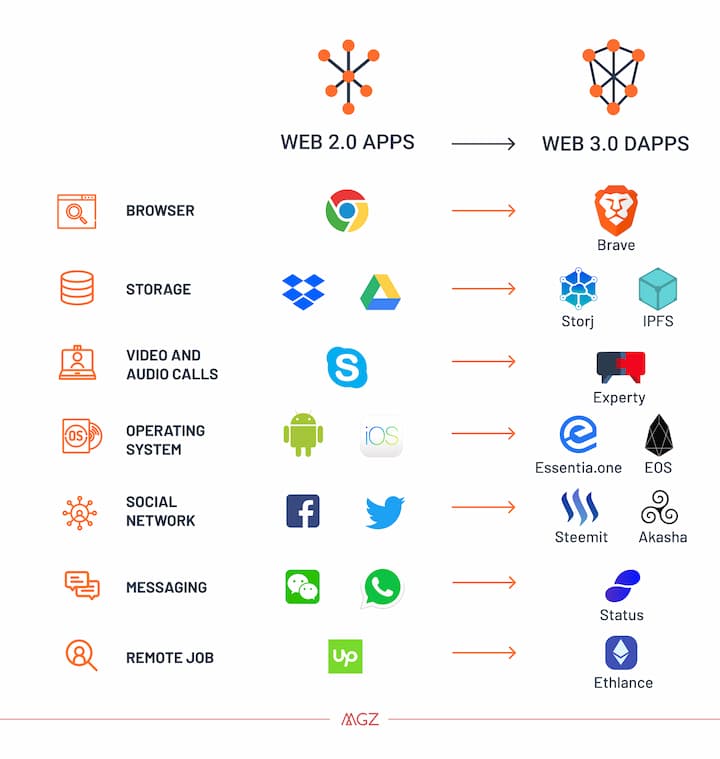
These tools are leading the charge in providing censorship-resistant communication and identity solutions.
Leading Decentralized Communication Tools
-
Matrix/Element
An open standard for decentralized communication. It allows users to choose their own server, ensuring that no single entity controls the network. If one server is blocked, you can move to another. -
Session
A privacy-focused messenger that routes messages through an onion-like network. It requires no phone number or email, making it nearly impossible to link your real identity to your chats. -
Status
A decentralized messenger and browser that integrates with Ethereum. It allows for identity management and secure messaging within a single, censorship-resistant ecosystem.
Blockchain upgrades for free speech
Ethereum is hardening its infrastructure to resist transaction and content censorship through the upcoming Hegota upgrade. At the center of this shift is FOCIL, a proposal designed to make censorship economically and technically difficult for validators. By aligning incentives, the network aims to ensure that no single actor can easily block legitimate transactions or suppress speech.
This approach moves beyond theoretical resistance to practical enforcement. Validators who attempt to censor transactions will face protocol-level penalties, while those who include them are rewarded. The system relies on time consensus mechanisms to prevent attackers from manipulating block order to hide content. This structural change ensures that the blockchain remains a neutral layer for open communication.
The impact extends beyond simple transaction inclusion. As censorship resistance 2026 becomes a standard feature, developers can build applications that rely on immutable, uncensorable data layers. This stability encourages innovation in decentralized social platforms and financial tools that require guaranteed access. The network’s resilience is no longer just a feature; it is the foundation.
Essential gear for digital privacy
Censorship resistance requires a layered approach. No single tool stops every form of surveillance or blocking, so combining hardware and software creates a resilient defense. The goal is to make it difficult, time-consuming, and expensive for censors to track your traffic or shut down your access.
Hardware wallets and secure keys
Your identity is only as secure as your keys. Hardware wallets store private keys offline, preventing remote theft even if your computer is compromised. For censorship resistance, this ensures your assets remain yours, regardless of network restrictions or bank freezes.
Privacy-focused routers
Standard routers leak data and are easy to monitor. A privacy router, such as one running OpenWrt or Whonix, routes all connected devices through encrypted tunnels. This protects your entire home network, not just a single browser, making it harder for ISPs to profile your household.
Decentralized VPNs (dVPN)
Traditional VPNs are single points of failure; if the provider is pressured, they can log your data or shut down. Decentralized VPNs like Nym distribute traffic across thousands of nodes, making it nearly impossible to trace the origin or destination of your data. This is critical as governments increasingly block standard VPN protocols.
Encrypted messaging apps
End-to-end encryption (E2EE) ensures that only you and the recipient can read messages. Apps like Signal or Session use this technology to prevent third parties, including the app providers themselves, from accessing your conversations. This is the baseline for private communication in 2026.


As an Amazon Associate, we may earn from qualifying purchases.
Navigating AI content moderation
AI-driven moderation systems have become the primary gatekeepers of online speech, often flagging or removing content based on pattern recognition rather than context. For creators and organizers, understanding these mechanisms is essential to maintaining visibility without violating platform terms. The goal isn't to trick the system maliciously, but to ensure legitimate expression isn't silenced by overzealous algorithms.
One effective strategy is semantic diversification. Instead of repeating the same keywords, vary your language structure and vocabulary. AI models often struggle to detect intent when the phrasing is unique or uses metaphorical language that aligns with human nuance. This approach keeps your content within guidelines while preserving your message's integrity.
Another tactic is strategic framing. Contextualize sensitive topics by focusing on educational, historical, or artistic angles. Platforms are generally more lenient with content that demonstrates clear educational value or public interest. By providing background and citing reputable sources, you signal to moderators that your content is informative rather than harmful.
Finally, leverage decentralized platforms as a backup. While mainstream sites rely on centralized AI moderation, decentralized networks often use community-driven governance or cryptographic verification. This doesn't replace the need for care on major platforms, but it ensures your work remains accessible even if one channel censors it.
No comments yet. Be the first to share your thoughts!