What is censorship resistance in 2026?
Censorship resistance is the technical guarantee that no single party can prevent users from participating in a network or platform. In 2026, this concept has shifted from a niche privacy preference to a fundamental user right, driven by increasing internet restrictions and the rise of decentralized infrastructure.
Internet censorship is increasing globally, using increasingly sophisticated techniques to block content and surveillance. Traditional centralized platforms often comply with government demands, removing content or freezing accounts at will. Censorship-resistant systems, particularly those built on blockchain and DePIN (Decentralized Physical Infrastructure Networks), distribute control across many nodes, making it difficult for any one authority to shut down service or alter rules for personal gain.
Bitcoin remains a primary example of this resilience. While not immune to pressure, its decentralized miner network ensures that no single entity can permanently censor transactions without sacrificing significant revenue. Similarly, DePIN projects challenge centralized corporate dominance by providing alternatives that prioritize user privacy and fair participation incentives.
The 2026 landscape sees protocols like NymVPN leading the charge, offering roadmaps to combat state-level VPN bans. As censorship becomes more targeted, the ability to resist these pressures is no longer just a technical feature—it is a critical safeguard for digital freedom.
Evaluating the tradeoffs of censorship resistance in 2026
Censorship resistance is not a binary feature; it is a spectrum of tradeoffs between freedom, speed, and cost. In 2026, as governments deploy sophisticated detection tools to block VPNs and decentralized networks, users must choose protocols that align with their specific risk profile. There is no single "best" solution, only the right tool for the threat model you face.
To understand these differences, we compare how major decentralized infrastructure layers handle resistance against state-level intervention. This comparison highlights the structural choices each protocol makes to maintain access.
| Protocol | Resistance Mechanism | Primary Tradeoff | Best For |
|---|---|---|---|
| Bitcoin | Proof-of-Work immutability | High latency; high fees during congestion | Value storage; long-term settlement |
| Nym | Mixnet privacy layers | Higher latency due to packet mixing | Anonymous browsing; avoiding surveillance |
| IPFS | Distributed content addressing | Slow retrieval for cold content | Resilient data hosting; file sharing |
| DePIN Networks | Decentralized provider incentives | Variable reliability across nodes | Redundant infrastructure; anti-censorship comms |
The choice often comes down to what you are trying to protect. If your goal is to move value without intermediaries, Bitcoin’s Proof-of-Work model offers the strongest resistance, though you pay for it with slower confirmation times and potential fee spikes. For those needing to hide their digital footprint, mixnets like Nym provide privacy by obscuring metadata, but this adds significant latency, making real-time communication difficult.
For decentralized physical infrastructure networks (DePIN), resistance comes from redundancy. By distributing services across thousands of independent nodes, these networks make it nearly impossible for any single authority to shut down the entire system. However, this decentralization can lead to inconsistent performance, as you rely on the weakest link in the chain rather than a guaranteed SLA from a centralized provider.
When selecting a protocol, prioritize the specific type of censorship you wish to resist. Is it transactional censorship, where your payments are blocked? Or is it informational censorship, where your access to content is filtered? Matching your threat model to the protocol’s mechanism ensures you get the resistance you need without sacrificing unnecessary performance.
How to choose a censorship-resistant protocol
Censorship resistance means no single party can block participation. In practice, this shifts control from centralized gatekeepers to distributed networks. As internet censorship grows more sophisticated, users need tools that prioritize privacy and fair access.
Use this framework to evaluate options based on your specific threat model.

Identify who might block you. If you face state-level surveillance, prioritize protocols with strong obfuscation like NymVPN. For general platform bans, look for decentralized social or content networks that distribute data across nodes.
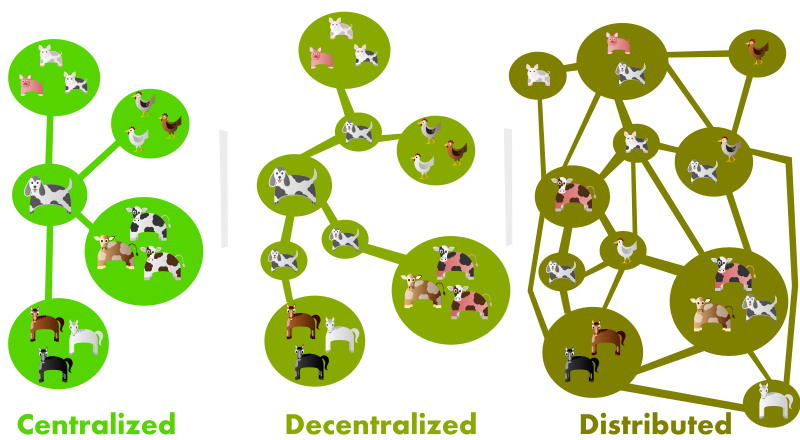
Bitcoin remains censorship-resistant because miners can process any transaction for a fee, though they are not immune to selective filtering. Evaluate whether the protocol’s governance allows unilateral changes or if it requires broad community consensus to alter rules.

Count the number of independent nodes or validators. A network with few centralized servers is vulnerable to takedowns. Decentralized Physical Infrastructure Networks (DePIN) often offer better resistance by leveraging diverse, global hardware providers.
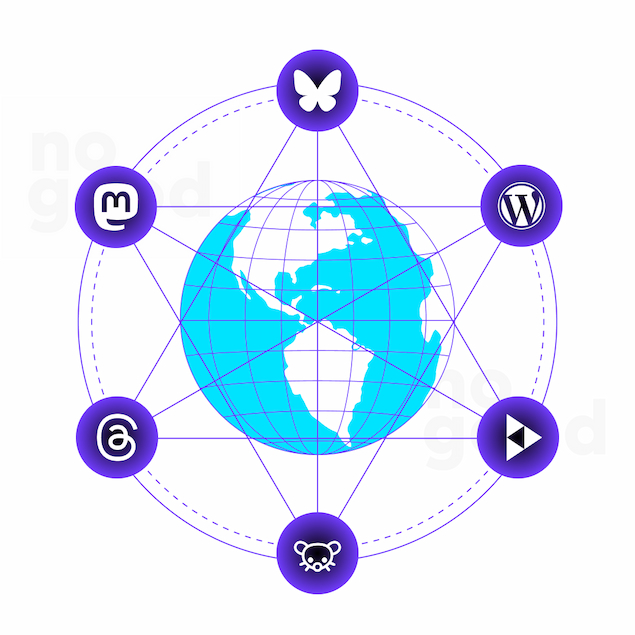
Resistance is useless if the tool is too difficult to use. Choose protocols that hide complexity behind simple interfaces. The best censorship-resistant tools function like standard apps but operate on resilient, open-source backends.
| Protocol Type | Censorship Strength | Best Use Case |
|---|---|---|
| Bitcoin | High | Financial transactions |
| DePIN | Medium-High | Infrastructure services |
| Decentralized Social | Medium | Content sharing |


As an Amazon Associate, we may earn from qualifying purchases.
The right choice depends on your balance between convenience and security. For high-stakes financial activity, Bitcoin offers proven resilience. For broader digital freedom, DePIN and decentralized social protocols provide scalable alternatives to centralized control.
Spotting weak censorship resistance claims
Not every protocol that uses the word "decentralized" actually protects you. Many projects rely on a small set of validators or centralized infrastructure that can be shut down or pressured by regulators. When building your stack, you need to distinguish between theoretical decentralization and actual operational resilience.
The centralization trap
Bitcoin offers strong censorship resistance because any miner can choose to include transactions, creating a high barrier to coordinated suppression. However, it is not immune; miners can still censor specific addresses if the opportunity cost is low. In contrast, many newer Layer 1s claim resistance but rely on a handful of known validators. If those operators face legal pressure, your access to the network vanishes.
DePIN and the infrastructure risk
Decentralized Physical Infrastructure Networks (DePIN) are often marketed as censorship-resistant alternatives to centralized cloud providers. While they distribute data across many nodes, the gateways or APIs used to access them can still be targeted. If your application depends on a single entry point, the underlying decentralization of the storage layer does not protect you from being blocked.
What to check before you commit
Look at the validator set size and the cost to become one. If running a node requires expensive hardware or significant capital, true resistance is unlikely. Also, check if the protocol has a "kill switch" or governance mechanism that allows freezing funds. A system that can freeze assets cannot be truly censorship-resistant, regardless of its tokenomics.
Censorship resistance 2026: what to check next
As governments tighten digital borders, understanding how decentralized protocols actually function under pressure is no longer theoretical. This section answers the most common questions about censorship resistance, Bitcoin, and DePIN, based on current technical realities and 2026 research.
These answers highlight that censorship resistance is a spectrum, not a binary switch. While Bitcoin relies on economic incentives to maintain openness, DePIN protocols use structural decentralization to resist control. Understanding these differences helps you choose the right tool for your specific risk profile.
No comments yet. Be the first to share your thoughts!