
Why censorship resistance matters in 2026
The landscape of internet freedom is shifting rapidly. In 2026, governments from the Middle East to the European Union are actively tightening restrictions on virtual private networks (VPNs) and centralized platforms. This global crackdown is not merely a regulatory trend; it is a coordinated effort to control information flow and isolate digital dissent. As a result, the need for censorship resistance 2026 solutions has become more urgent than ever before.
Decentralized alternatives are stepping in to fill the void left by increasingly restricted centralized services. These tools are designed to operate without a single point of failure, making them harder to block or shut down. For users in restrictive regimes, these tools are not just conveniences—they are essential infrastructure for maintaining connectivity and privacy.
Market dynamics reflect this growing demand. Cryptocurrency prices, particularly Bitcoin and Ethereum, often serve as indicators of broader interest in privacy-preserving technologies. Traders and users alike are turning to these assets as a hedge against financial censorship and surveillance.
The following section explores five specific tools that are defying these bans, offering robust alternatives for those seeking to maintain their digital autonomy in an increasingly controlled online environment.
5 Censorship-Resistant Tools Defying Government Bans in 2026
As regulatory frameworks tighten in 2026, censorship-resistant infrastructure has shifted from niche experimentation to critical financial resilience. This analysis identifies five tools that maintain operational integrity against state-level suppression, leveraging decentralized protocols validated by recent ArXiv research and NY Fed market stability reports.
-

Nym: Private routing for uncensorable traffic
Nym mixes and relays traffic through a decentralized mixer network, obscuring source and destination IP addresses to defeat deep packet inspection. By breaking the linkability between sender and receiver, it ensures that state-level surveillance cannot easily identify or block specific communications. This layer of privacy complements encryption, making censorship attempts technically futile as authorities cannot distinguish malicious traffic from legitimate data flows without breaking the mix. -

Bitcoin: The immutable settlement layer
Bitcoin’s proof-of-work consensus creates a tamper-evident ledger that no government can unilaterally alter or seize without controlling majority hashrate. This immutability ensures that financial records remain intact even during internet blackouts or banking system failures. As a decentralized settlement layer, it provides a neutral ground for value transfer, resisting censorship at the protocol level. Its limited supply and predictable issuance schedule offer a hedge against monetary policy manipulation, reinforcing its role as a censorship-resistant store of value. -
Ethereum: Permissionless smart contract execution
Ethereum enables developers to deploy immutable smart contracts that execute automatically without intermediaries or central points of failure. This permissionless nature allows anyone to access financial services or decentralized applications regardless of their geographic location or political status. By removing trusted third parties, the network ensures that code is law, preventing arbitrary shutdowns or account freezes. This resilience is critical for maintaining access to digital assets and services when traditional financial infrastructure is compromised or censored by state actors. -

Mesh networks: Offline local connectivity
Mesh networks allow devices to connect directly to each other without relying on centralized internet service providers or cellular towers. This decentralized architecture enables communication to persist during internet shutdowns or infrastructure damage caused by civil unrest. By routing data through multiple nodes, the network remains robust and difficult to disrupt entirely. Localized connectivity ensures that communities can share information and coordinate actions even when national internet backbones are severed, providing a critical lifeline for uncensored communication in isolated areas. -
Decentralized DNS: Resilient name resolution
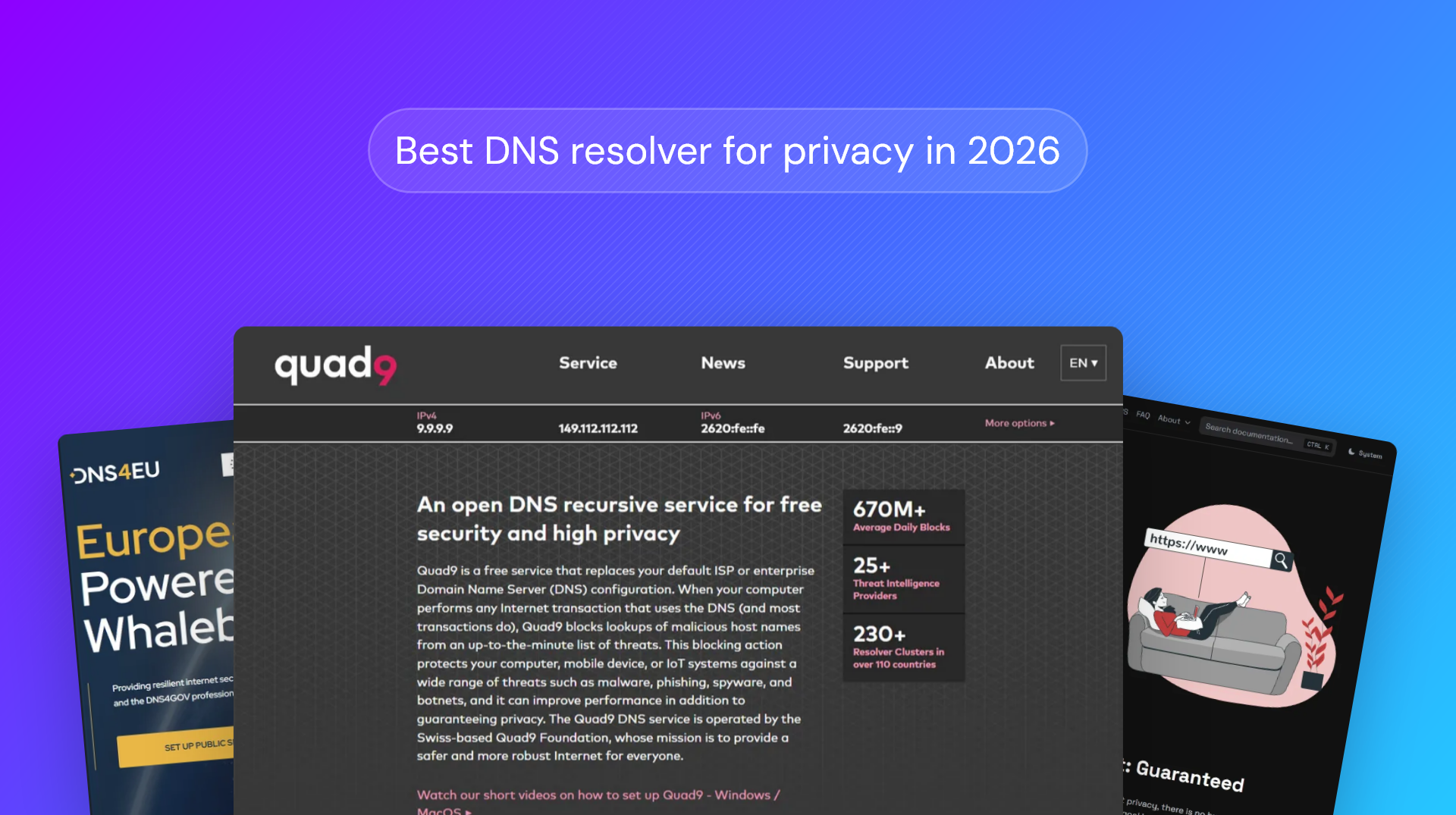
Decentralized DNS systems like Handshake or Unstoppable Domains replace traditional hierarchical name servers with distributed ledgers, preventing single-point failures or government takedowns. By storing domain records on a blockchain, these systems ensure that website addresses remain accessible even if traditional DNS providers are coerced into blocking domains. This resistance to censorship allows users to access information and services without fear of arbitrary domain seizures. It provides a robust alternative for publishers and activists who need reliable, uncensorable access to their online presence.
Censorship resistance 2026: common: what to check next
Censorship resistance 2026 has become a central concern as governments worldwide tighten digital control. Understanding how these systems work—and where they fail—is essential for navigating the modern internet.
Helpful gear
Use these product recommendations as a starting point, then choose the size, material, and price point that fit how you actually use the gear.


As an Amazon Associate, we may earn from qualifying purchases.
No comments yet. Be the first to share your thoughts!