Censorship resistance 2026 budget
Building a censorship-resistant stack in 2026 requires balancing upfront costs with long-term reliability. Decentralized networks like Nym are actively upgrading their infrastructure to withstand state-level blocking, but the tools you need to access them vary widely in price and complexity. Your budget should reflect the tradeoffs between convenience, anonymity, and resilience.
For most users, the primary investment is in hardware that ensures operational security. A dedicated hardware wallet or a secure element device provides a foundational layer of trust that software alone cannot match. These devices protect your keys from remote attacks, which is a prerequisite for any meaningful digital freedom strategy. While the initial cost is higher than a standard software wallet, it eliminates the risk of total asset loss from a compromised computer.
Network access tools also carry different price points. Free, open-source clients like Tor or basic VPNs offer baseline anonymity but may struggle against advanced deep packet inspection. Premium, censorship-resistant services often require a subscription, reflecting the cost of maintaining resilient node infrastructure. When evaluating options, look for tools that have transparent roadmaps for 2026, such as those addressing new blocking techniques in restrictive regions.
As an Amazon Associate, we may earn from qualifying purchases.
The total cost of ownership extends beyond the purchase price. Consider the time spent configuring and maintaining these tools. A cheaper solution might require frequent updates and troubleshooting, which can be a hidden cost in terms of productivity. Investing in well-documented, user-friendly tools often pays off in reduced friction and increased consistency of use. Ultimately, the best budget is one that aligns with your specific threat model and technical comfort level.
Shortlist real options
Censorship resistance in crypto means no single party can prevent participation or block valid transactions. In practice, this resistance varies by network architecture and the incentives of validators. When building a toolset for 2026, you need solutions that actively resist blocking at the network, application, and transaction layers.
Below is a comparison of the strongest censorship-resistant tools and protocols available. These options prioritize decentralization, obfuscation, or immutable settlement to ensure access remains open.
| Tool / Protocol | Category | Resistance Mechanism | Key Tradeoff |
|---|---|---|---|
| NymVPN | Network Layer | Mixnet traffic obfuscation | Higher latency due to multi-hop routing |
| Monero (XMR) | Privacy Coin | Ring signatures and stealth addresses | Lower exchange liquidity and listing restrictions |
| Arweave | Storage | Permanent, pay-once data storage | Higher upfront cost for large datasets |
| Mastodon | Social Protocol | Fragmented user experience across instances | |
| Lightning Network | Payment Layer | Off-chain micropayments | Requires careful channel management |
Why these tools matter
Traditional centralized services are vulnerable to single points of failure. If a provider blocks you, you are cut off. These alternatives distribute control. Nym uses a mixnet to hide traffic metadata, making it difficult for ISPs or governments to identify or block specific users. Monero ensures financial transactions remain private by default, preventing chain analysis from linking addresses to identities.
Choosing the right layer
Your choice depends on what you are trying to protect. For general internet access, NymVPN provides robust obfuscation against deep packet inspection. For financial sovereignty, Monero offers the strongest on-chain privacy. For communication, federated networks like Mastodon prevent any single entity from silencing a user globally.
Inspect the expensive parts
Censorship resistance isn't a single feature; it's a system of dependencies. When a tool breaks, it rarely fails everywhere at once. It usually collapses at its most expensive or centralized choke points. To evaluate whether a censorship-resistant tool will actually work under pressure, you need to inspect the parts that cost the most to maintain or control.
A tool is only as strong as its weakest node. If 80% of the infrastructure sits in a single data center or jurisdiction, a local ban or seizure stops the whole network. Inspect the public dashboard or whitepaper for node distribution. Look for a mix of residential, dedicated, and decentralized nodes across multiple continents. High geographic diversity makes it significantly harder for any single government to impose a blanket ban.

Who pays the bills? Many "decentralized" projects rely on a single foundation or venture capital firm for grants. If that funder faces legal pressure, they can pull funding or influence governance votes to comply with regulators. Check the treasury disclosures. A resilient tool has a transparent, multi-sig treasury with funding from diverse community sources or protocol fees, not just a single corporate backer.
Open source is a prerequisite, but not a guarantee. Look for recent, independent security audits from reputable firms. More importantly, check the commit history. Is development active and distributed? A codebase with long periods of inactivity or commits only from a single developer is a major red flag. It suggests the project could be abandoned or easily coerced by its sole maintainer.
What happens when the primary protocol is blocked? The best tools have built-in fallbacks, such as domain fronting, pluggable transports, or alternative routing protocols. Inspect the documentation for these features. If the tool shuts down completely when a specific IP range is blocked, it lacks the resilience needed for high-stakes censorship resistance.
By focusing on these expensive failure points, you can quickly separate robust tools from those that look decentralized on paper but collapse under real-world pressure.
The Hidden Costs of True Ownership
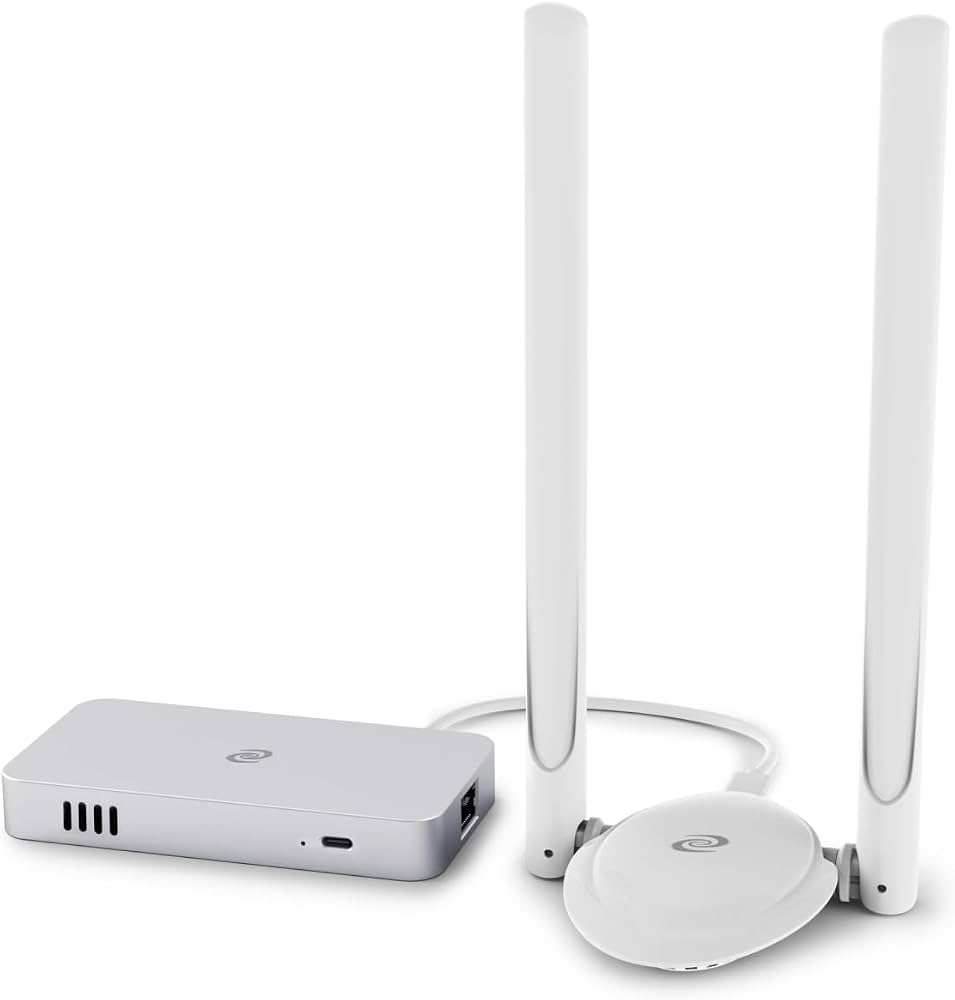
Buying a censorship-resistant tool is just the entry fee. The real cost comes from the maintenance required to keep it working when authorities update their blocking lists. A cheap VPN or node might save money upfront, but if it breaks every time a new regulation passes, you are paying for your time and reliability in the long run.
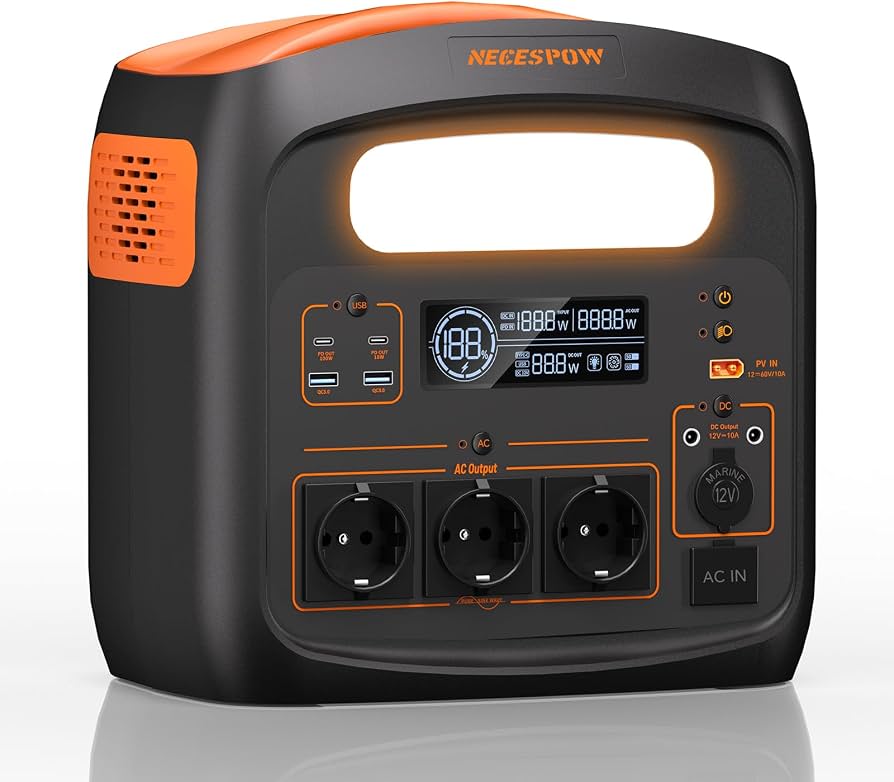
Maintenance surprises often appear as hardware failures or software conflicts. Decentralized networks require constant uptime. If your device sleeps or loses connection, your privacy protection vanishes. You must budget for redundant power sources, reliable internet, and perhaps even a second device to act as a backup when the primary one gets flagged or blocked.
When a cheap buy stops being cheap, it is usually because the tool lacks resilience. Look for products that offer easy updates and community support. If you have to spend hours debugging a connection that should just work, the total cost of ownership skyrockets. Prioritize tools that handle the complexity so you can focus on your work, not your firewall.

As an Amazon Associate, we may earn from qualifying purchases.
Censorship resistance 2026: what to check next
Censorship resistance in crypto means no single party can stop you from using a network. Public permissionless blockchains like Bitcoin are built so anyone can participate without permission. In practice, the level of resistance depends on the network's design and who controls the infrastructure.
Blockchain censorship happens when valid transactions are blocked or delayed. This usually occurs when validators, relayers, or block builders reject transactions due to regulatory pressure, bias, or financial incentives. The goal of censorship-resistant tools is to make these interventions difficult or too costly to maintain.
No comments yet. Be the first to share your thoughts!