Decentralized identity 2026 limits to account for
By 2026, decentralized identity has moved from experimental pilots to a critical infrastructure layer for resisting censorship. The shift is driven by the need to democratize digital identity, decentralizing both the storage and use of identity data. This architecture allows individuals and organizations to control their credentials without relying on centralized gatekeepers who can block access or alter records.
The primary benefit is resilience. When identity data is stored on distributed ledgers or personal devices, it becomes significantly harder for any single entity to censor or manipulate. This is particularly relevant in high-stakes legal and regulatory environments where data integrity and sovereignty are paramount. The framework supports four forms of digital identity: sovereign, federated, institutional, and self-sovereign, with the latter gaining traction for its emphasis on user control.
However, the landscape is not without friction. Selecting reliable ID verification software remains a challenge, as the market is fragmented. Users must evaluate tools based on their adherence to open standards like W3C DIDs, rather than proprietary lock-in. The most robust solutions offer seamless integration with existing compliance frameworks while maintaining the core promise of self-sovereignty.
Decentralized identity 2026 choices that change the plan
Choosing a decentralized identity (DCI) protocol in 2026 requires balancing user autonomy against enterprise readiness. While the promise of self-sovereign identity is compelling, the practical implementation involves significant technical friction. You must evaluate how each solution handles interoperability, regulatory compliance, and the user experience of managing cryptographic keys.
The following comparison breaks down the concrete factors that determine whether a protocol fits your specific use case. Focus on the tradeoffs between privacy, performance, and adoption barriers rather than chasing theoretical purity.
W3C Decentralized Identifiers (DIDs) combined with Verifiable Credentials (VCs) represent the current industry standard for privacy-focused identity. This model keeps data off-chain, stored in user-controlled wallets, which aligns with GDPR requirements by allowing users to delete their data. However, this approach faces a "cold start" problem: without a large network of credential issuers, the utility remains limited. Enterprises must invest heavily in onboarding users to new wallet technologies.
Blockchain-based DIDs offer immutability and transparency, making them ideal for DeFi and Web3 applications where trustless verification is paramount. The tradeoff is significant: public ledgers do not naturally support the "right to be forgotten." While zero-knowledge proofs can mitigate some privacy concerns, regulatory bodies in the EU and US are increasingly scrutinizing on-chain data permanence. This model is best suited for use cases where auditability outweighs the need for data erasure.
Hybrid SSI models attempt to bridge this gap by anchoring DIDs on a blockchain for verification while storing the actual credentials off-chain. This offers a middle ground, providing the security of distributed ledgers with the privacy of centralized storage. However, it introduces complexity in key management and requires robust infrastructure to ensure the off-chain storage remains secure and accessible. For most legal and regulatory applications in 2026, this hybrid approach offers the most pragmatic path forward, balancing compliance needs with the benefits of decentralization.
Choose the next step
Decentralized Identity Protocols works best as a clear sequence: define the constraint, compare the realistic options, test the tradeoff, and choose the path with the fewest hidden costs. That order keeps the advice usable instead of decorative. After each step, pause long enough to check whether the recommendation still fits the reader's actual situation. If it depends on perfect timing, unusual access, or a best-case budget, include a simpler fallback.
Spotting Weak Options in Decentralized Identity
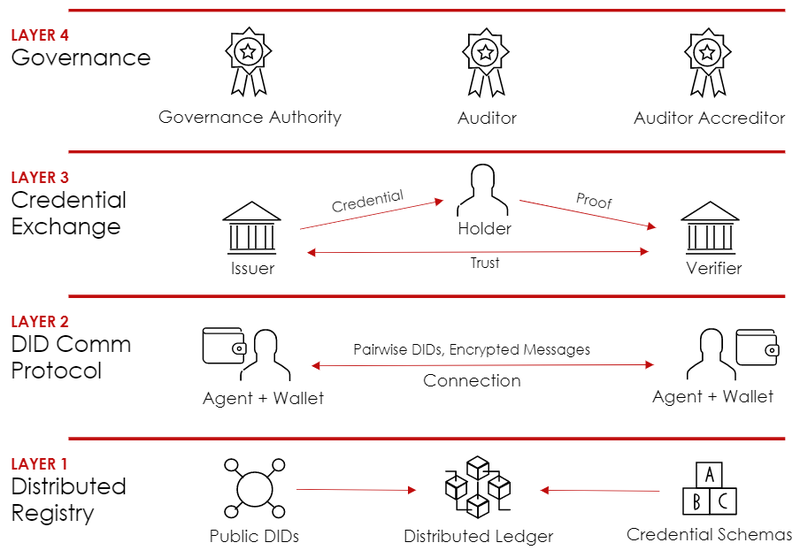
Self-sovereign identity promises freedom from censorship, but not every protocol delivers. In 2026, several platforms market "decentralization" while retaining central points of failure. These weak options often control key management, restrict interoperability, or rely on centralized verification services. Users must distinguish between true self-custody and managed identity services that merely shift control from one provider to another.
Common mistakes include choosing protocols that lack W3C DID compliance or ignoring the risk of key loss. Some solutions offer user-friendly recovery mechanisms that require trusted third parties, effectively reintroducing censorship vectors. Always verify that the protocol supports verifiable credentials without mandatory KYC gates. If a service requires your private keys for "backup" or "recovery," it is not truly self-sovereign.
When evaluating providers, prioritize those with open-source codebases and active community audits. Avoid platforms that obscure their governance models or lack clear dispute resolution processes. The most reliable systems allow users to hold their own keys and present credentials selectively. If you cannot export your identity data in standard formats, the system is likely a walled garden, not a decentralized protocol.
Decentralized identity 2026: what to check next
Readers often ask how self-sovereign identity differs from traditional systems before committing to a protocol. This section addresses the most common practical objections and clarifies the core mechanics of DIDs and verifiable credentials.
No comments yet. Be the first to share your thoughts!