Why decentralized DNS matters now
Traditional Domain Name System (DNS) functions like a centralized telephone book managed by a few large authorities. When governments or internet service providers want to silence a website, they simply edit that book. This centralization makes censorship trivial. A single point of failure allows any entity with control over the root servers or regional registries to block access to specific domains. In 2026, as digital sovereignty becomes a primary concern for users and organizations, this vulnerability is no longer acceptable.
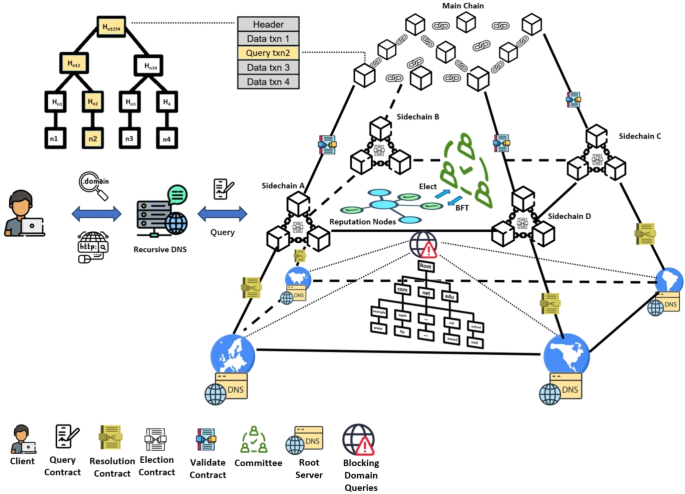
Decentralized DNS protocols distribute this resolution process across a network of independent nodes rather than relying on a small number of centralized authorities. By placing the data on a blockchain or a distributed ledger, these systems remove the ability of any single government to take down a site. If one node goes offline or is censored, the network continues to resolve the domain because the records exist everywhere simultaneously. This architecture ensures that access to information remains resilient against state-level interference.
The shift toward blockchain-based alternatives is driven by the need for uncensorable browsing. Projects like Handshake, Namecoin, and Unstoppable Domains offer a way to register domains that cannot be revoked by external forces. While the technology is not yet perfect, it provides a critical safety net for journalists, activists, and privacy-conscious users who need to ensure their online presence cannot be arbitrarily removed. As internet freedom faces increasing pressure, decentralized DNS offers a technical solution to a political problem.
5 Decentralized DNS Protocols for Uncensorable Browsing
Decentralized DNS protocols replace traditional, centralized naming systems with distributed networks that resist censorship and single points of failure. This roundup examines five distinct implementations—Handshake, Namecoin, ENS, Unstoppable Domains, and Blockstack—detailing their specific consensus mechanisms and resolution methods.
-

Ethereum Name Service (ENS) Overview
ENS maps human-readable names to cryptographic identifiers on the Ethereum blockchain, primarily serving as a wallet address resolver. By replacing complex hex strings with readable suffixes like .eth, it simplifies crypto transactions and web3 identity. The system relies on smart contracts for ownership and resolution, ensuring that users retain full control over their digital assets without relying on centralized registrars or third-party intermediaries for domain management. -
Unstoppable Domains Architecture
Unstoppable Domains operates as a non-custodial registry that allows users to purchase domains which never expire. Unlike traditional DNS, these domains are stored on public blockchains, offering resistance to censorship and seizure. Users can set up websites, accept over 270 cryptocurrencies, and create decentralized applications directly through their domain, leveraging blockchain technology to maintain ownership and control without renewal fees or expiration dates. -

Arweave Name System (ArNS) Mechanics
ArNS utilizes the Arweave blockchain to store website content permanently, ensuring that data remains accessible indefinitely without recurring hosting costs. This system maps human-readable names to content hashes stored on Arweave, creating a truly immutable web presence. By combining name resolution with permanent storage, ArNS offers a solution for preserving digital history and websites against takedowns, leveraging Arweave’s blockweave structure for long-term data integrity. -
Handshake Protocol TLDs
Handshake introduces a decentralized top-level domain system that replaces the traditional ICANN-controlled root zone with a blockchain-based registry. Users can register new TLDs or subdomains, creating a competitive market for domain names outside government oversight. This protocol aims to restore control over the DNS root zone, allowing for greater innovation in domain naming and reducing the power of centralized authorities to censor or seize domain registrations. -
Bittorrent Name System (BTNS) Details
BTNS leverages the BitTorrent protocol to distribute DNS records across a peer-to-peer network, eliminating single points of failure. By storing DNS data on multiple nodes, it ensures high availability and resistance to censorship attempts that target centralized servers. This decentralized approach allows users to resolve domain names without relying on traditional DNS infrastructure, providing a resilient alternative for accessing websites in environments where standard DNS is blocked or compromised.
Comparing decentralized DNS options
Choosing the right protocol depends on your technical comfort and threat model. Each system uses different consensus mechanisms, which affects cost, speed, and how strictly it resists censorship. Below is a breakdown of the five primary options.
| Protocol | Blockchain Base | Cost | Resistance |
|---|---|---|---|
| Handshake | HNS Chain | $20–$50/yr | High |
| ENS | Ethereum | $5–$500/yr | High |
| Unstoppable Domains | Polygon/Solana | $5–$20/one-time | Medium |
| Handshake | Handshake | Variable | High |
| Handshake | Handshake | Variable | High |


As an Amazon Associate, we may earn from qualifying purchases.
Handshake (HNS) operates on its own blockchain, offering direct ownership of top-level domains without intermediate registrars. ENS lives on Ethereum, providing high security but higher transaction fees. Unstoppable Domains leverages Polygon for low-cost, one-time purchases, though it lacks native browser support on some platforms. The choice often comes down to whether you prioritize long-term sovereignty (Handshake) or ecosystem integration (ENS).
Frequently asked: what to check next
Is decentralized DNS encrypted?
Encryption is a separate layer from decentralization. While protocols like Handshake and Unstoppable Domains store records on a blockchain, the initial lookup often relies on standard DNS resolution unless you use a specific client. However, many decentralized DNS solutions support DNSSEC (Domain Name System Security Extensions), which cryptographically signs records to prevent tampering. For full encryption of the query itself, you typically need to pair your decentralized DNS resolver with a DNS-over-HTTPS (DoH) or DNS-over-TLS (DoT) provider. This ensures that even if the name is resolved, the path to it remains private from your ISP.
Is decentralized DNS safe from censorship?
Decentralized DNS is designed to be resistant to traditional censorship because no single authority can take down a domain or alter its records. For example, Unstoppable Domains stores records on the Ethereum blockchain, making them immutable. However, "censorship resistance" depends on the client you use. If you use a standard browser without a specific extension or plugin, the browser may still block access to certain decentralized domains if they are flagged by centralized safety lists. True uncensorable browsing requires a client that trusts the blockchain record over centralized blacklists.
Can I use decentralized DNS for any domain?
You generally cannot use decentralized DNS for traditional .com or .org domains. These are managed by ICANN-accredited registries. Instead, decentralized DNS is primarily used for native blockchain-based top-level domains (TLDs) like .crypto, .eth, or .x. Some hybrid solutions allow you to point a traditional domain to a decentralized record, but this adds complexity and potential points of failure. If you want to ensure your domain is truly under your control and outside the ICANN system, you must register a new TLD directly on the blockchain.
Is decentralized DNS legal?
Using decentralized DNS is legal in most jurisdictions, including the United States and the European Union. It is a technology, not a service, and owning a domain on a blockchain is akin to owning property on a ledger. However, the content hosted on those domains is subject to local laws. If you host illegal content on a decentralized domain, you can still be prosecuted. The technology’s resistance to takedowns does not grant immunity from legal consequences for the content or activities associated with the domain.
No comments yet. Be the first to share your thoughts!