
Privacy Cryptos Evading Surveillance: Top Anti-Censorship Coins for 2026

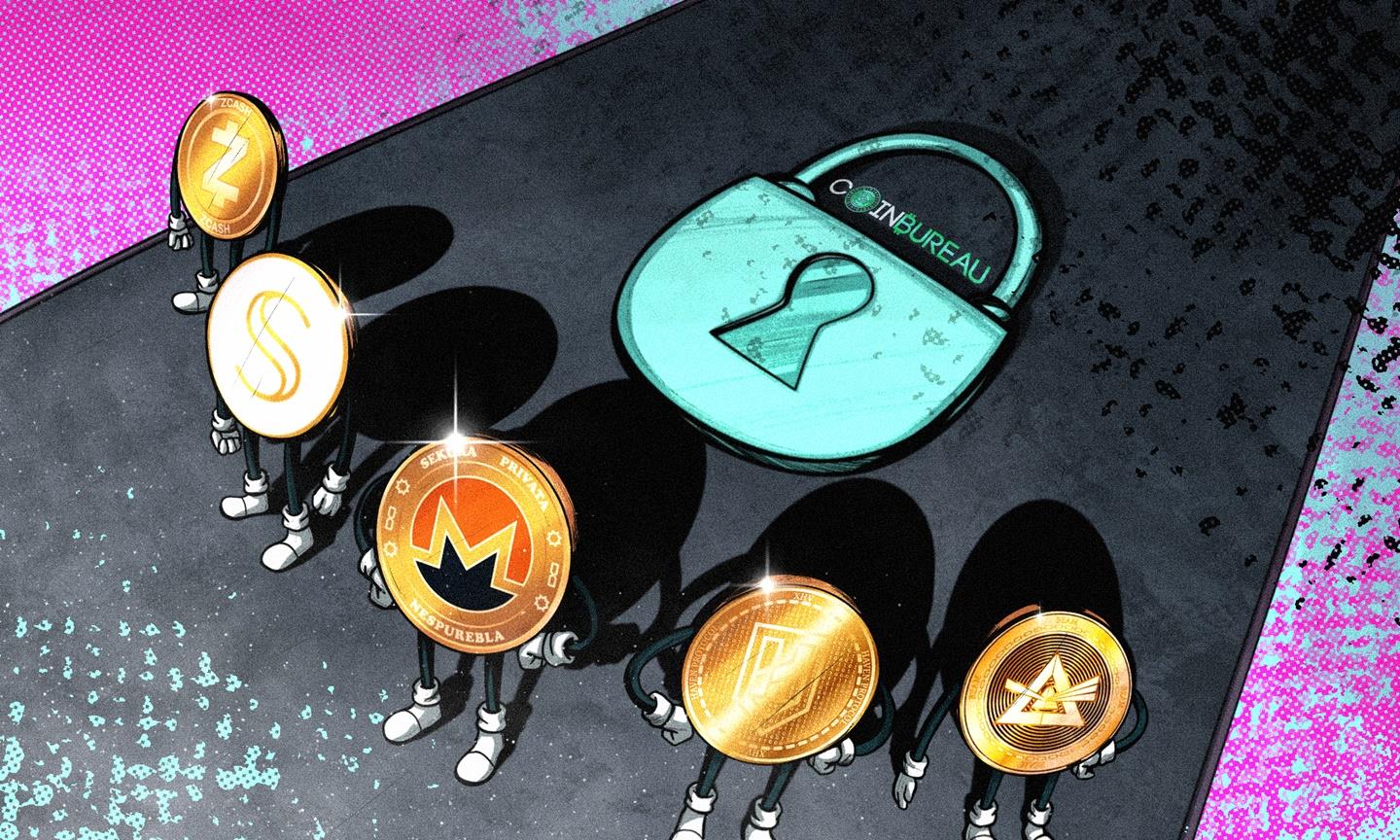
In an era where governments and corporations tighten their grip on financial data, privacy coins surveillance resistance has evolved from a niche pursuit to a necessity for anyone valuing sovereignty over their transactions. As we head into 2026, anti-censorship privacy cryptos 2026 stand as bulwarks against pervasive monitoring, enabling users to conduct peer-to-peer exchanges without leaving digital footprints. These coins employ sophisticated cryptography to shield sender identities, recipient details, and amounts, making them indispensable for cross-border payments and personal financial autonomy. Today, we spotlight the top six: Monero (XMR), Zcash (ZEC), Dash (DASH), Decred (DCR), Pirate Chain (ARRR), and Beam (BEAM), ranked by their relevance and market prominence in evading surveillance.

Why Surveillance Resistance Defines 2026’s Crypto Landscape
Privacy-focused tokens have not just survived regulatory headwinds; they’ve thrived. Experts note their outperformance stems from rising demand for anonymity amid global crackdowns on traceable blockchains. Bitcoin and Ethereum’s transparency, while revolutionary, exposes users to chain analysis firms that deanonymize flows with alarming precision. Enter privacy coins, which layer obfuscation protocols to render such efforts futile. Monero’s Monero censorship resistant design exemplifies this shift, processing every transaction obscured by default. With markets volatile yet resilient, these assets offer more than speculation; they embody a hedge against centralized control.
Consider the mechanics: ring signatures blend multiple signers to hide the true source; stealth addresses generate one-time recipients; zero-knowledge proofs verify without revealing. This tech stack ensures transactions blend into noise, thwarting even quantum threats on the horizon. Yet, adoption varies; optional privacy appeals to compliance-conscious users, while mandatory veils prioritize the paranoid. My view? In uncertain times, default privacy wins, balancing usability with ironclad protection.
Monero (XMR): The Uncompromising Privacy Leader
Monero reigns supreme at $387.64 USD, up 2.69% recently, with highs touching $388.35. Its ring signatures, stealth addresses, and confidential transactions obscure all metadata by default, no opt-ins required. Unlike transparent chains, every XMR move resists forensic unraveling, making it the go-to for dissidents and traders alike. Critics decry its size bloat from privacy layers, but upgrades like bulletproofs keep it scalable. For cross-border liquidity, Monero’s fungibility shines; no coin taints another, preserving value parity. In my 12 years analyzing hybrids, it’s the benchmark for true anonymity.
Zcash (ZEC) and Dash (DASH): Flexible Shields Against Scrutiny
Zcash, trading at $280.46 USD after a 2.52% dip, pioneers zk-SNARKs for optional shielded pools. Users toggle privacy seamlessly, ideal for regulated entities proving compliance when needed. This duality broadens appeal, though low shielded adoption tempers its edge over Monero. Dash, at $42.00 USD down 3.85%, leverages PrivateSend CoinJoin mixing for enhanced anonymity on demand. Its masternode governance adds speed and decentralization, suiting daily spends with sporadic privacy boosts. Both exemplify pragmatic resistance; Zcash for proofs, Dash for mixing simplicity.
These protocols don’t just hide; they empower. Decred integrates privacy atop stakeholder voting, fostering autonomous evolution. Pirate Chain mandates zk-SNARKs chain-wide, pursuing absolute untraceability at scale. Beam’s Mimblewimble cuts bloat while confidentializing data, prioritizing lean operations.
Decred (DCR) carves a unique path by blending privacy enhancements with a hybrid proof-of-work and proof-of-stake consensus, where ticket holders vote on upgrades. This governance model ensures privacy features evolve without founder whims, a rarity in crypto. At its core, Decred’s privacy stems from add-on modules that enable confidential transactions, appealing to those who value community control alongside obfuscation. In a landscape of rug pulls and centralization risks, Decred’s politeia system stands out, letting stakeholders propose and fund privacy bolstering initiatives directly.
Monero (XMR) Price Prediction 2027-2032
Forecasts for the leading privacy coin based on current $387.64 price, market trends, adoption growth, and regulatory pressures in 2026
| Year | Minimum Price (USD) | Average Price (USD) | Maximum Price (USD) |
|---|---|---|---|
| 2027 | $320 | $480 | $650 |
| 2028 | $420 | $620 | $880 |
| 2029 | $550 | $780 | $1,150 |
| 2030 | $700 | $980 | $1,450 |
| 2031 | $900 | $1,250 | $1,850 |
| 2032 | $1,150 | $1,550 | $2,300 |
Price Prediction Summary
Monero (XMR) is expected to experience steady growth from 2027 to 2032, with average prices potentially rising over 4x from current levels, fueled by surging demand for privacy amid global surveillance concerns. Bullish scenarios reflect tech upgrades and adoption; bearish mins account for regulatory risks and market cycles.
Key Factors Affecting Monero Price
- Rising demand for financial anonymity due to tightening regulations and surveillance
- Monero’s default privacy via ring signatures, stealth addresses, and confidential transactions outperforming competitors
- Potential bull market cycles post-2028 Bitcoin halving driving altcoin gains
- Technological improvements like potential zk-integration and scalability enhancements
- Competition from Zcash, Dash, and emerging privacy protocols; exchange delisting risks balanced by dark pool and P2P adoption
- Overall market cap expansion for privacy sector, targeting $10B+ for XMR by 2032 in optimistic scenarios
Disclaimer: Cryptocurrency price predictions are speculative and based on current market analysis.
Actual prices may vary significantly due to market volatility, regulatory changes, and other factors.
Always do your own research before making investment decisions.
These coins form a spectrum of surveillance evasion: Monero’s default veil, Zcash’s choice, Dash’s mix, Decred’s governed layers, Pirate’s total blackout, Beam’s efficient cut. Each counters specific threats; pick by your threat model. My take, drawn from years tracking forex-crypto hybrids? Privacy coins surveillance resistance isn’t fad-proofing; it’s liquidity insurance against delistings and freezes.
Current Market Snapshot for Top Privacy Coins
| Coin | Ticker | Price (USD) | 24h Change |
|---|---|---|---|
| Monero | XMR | $387.64 | +2.69% |
| Zcash | ZEC | $280.46 | -2.52% |
| Dash | DASH | $42.00 | -3.85% |
| Decred | DCR | Data Pending | Data Pending |
| Pirate Chain | ARRR | Data Pending | Data Pending |
| Beam | BEAM | $0.0244 | -0.43% |
Looking ahead to 2026, regulatory fog thickens, yet demand surges. Exchanges may shun privacy tokens under KYC mandates, but decentralized swaps and self-custody rise. Monero’s network effect cements it as the Monero censorship resistant king, while zk-tech in Zcash and Pirate scales to layer-2 frontiers. Beam and Grin-inspired protocols could spark Mimblewimble revivals if Ethereum privacy layers falter. Dash and Decred, with payments and governance hooks, bridge to real-world use.
Risks persist: quantum computing looms, though post-quantum upgrades progress; regulatory bans hit exchanges hardest, not chains; and usability gaps deter normies. Still, in cross-border flows I’ve analyzed, these coins slash remittance surveillance, empowering the unbanked. Integrate via atomic swaps or wrapped versions on Ethereum for hybrid plays, but always DYOR on wallet security.
Building Resilient Strategies with Anti-Censorship Privacy Cryptos 2026
Diversify across this top six for balanced exposure: allocate heavily to Monero for core holdings, Zcash for flexible proofs, Beam for growth bets. Monitor hashrates and shielded ratios; dips like Dash’s recent 3.85% pullback signal entry points amid volatility. Pair with hardware wallets and Lightning for speed. As global liquidity fragments, these assets don’t just evade eyes; they forge paths for sovereign finance, turning surveillance into yesterday’s relic.