
Censorship-Resistant Sequencing in Solana: Real-Time Designs for Unbreakable Blockchains 2026
Solana’s blockchain is on the cusp of a transformation that could redefine censorship resistant sequencing for high-throughput networks. As we look toward 2026, innovations like the Alpenglow consensus engine promise real-time performance without sacrificing decentralization. Currently, Binance-Peg SOL trades at $83.20, down 2.12% in the last 24 hours from a high of $85.06. This dip masks the underlying momentum building from Anza’s ambitious roadmap, which targets unbreakable designs against centralized control.

Developers and privacy advocates have long grappled with the trade-offs between speed and resistance to censorship. Solana’s traditional Proof-of-History combined with Tower BFT worked wonders for latency, but critics pointed to vulnerabilities in leader scheduling that could enable MEV extraction or selective transaction omission. Enter Alpenglow, pitched by Anza as the biggest consensus overhaul yet. This isn’t just an upgrade; it’s a redesign that achieves geo distribution, MEV minimization, and true anti-censorship blockchain protocols while slashing slot times below 400 milliseconds.
Alpenglow Consensus: Speed Meets Unyielding Decentralization
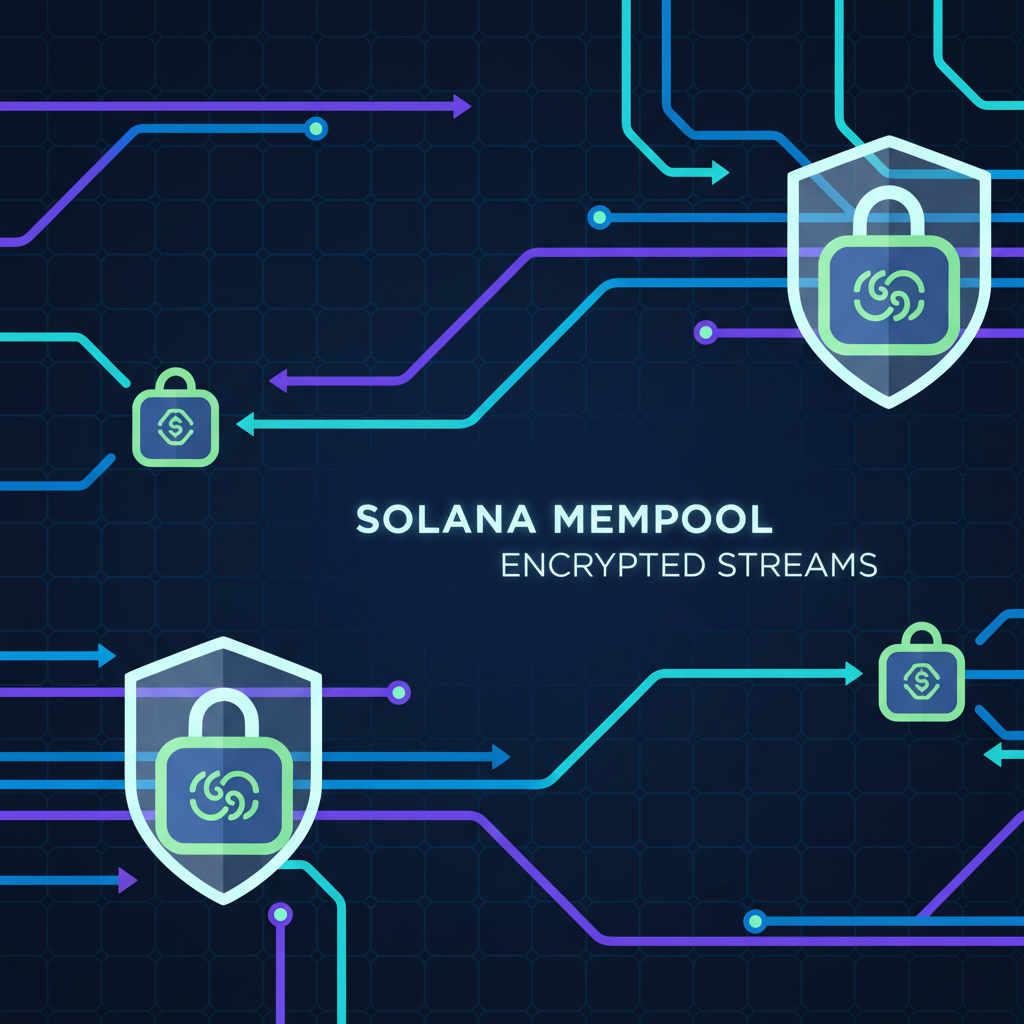
Alpenglow replaces Solana’s aging consensus with a nimble Proof-of-Stake engine tuned for the 2026 era. Imagine validators synchronizing blocks in under a second, even under spam attacks or network congestion. Anza’s whitepaper details how it stabilizes production through real-time blockchain censorship resistance, using encrypted mempools and distributed leader election. I see this as Solana’s answer to Ethereum’s decentralization edge; shorter blocks mean less MEV accrual, countering arguments that sub-second finality invites exploitation.
Solana’s 2026 roadmap sets Alpenglow for mainnet in Q3, alongside bandwidth boosts via XDP fragments and 100 million compute unit limits.
These tweaks aren’t cosmetic. Direct mapping in the Solana VM cuts memory overhead, enabling Solana sequencing techniques that feel instantaneous. For app builders, this translates to DeFi platforms or social dApps that resist shutdowns from regulators or bad actors. My swing trading lens spots opportunity here: as SOL holds $83.20 amid market jitters, Alpenglow news could ignite the next momentum swing.

Multiple Concurrent Proposals: Shattering Single-Leader Risks
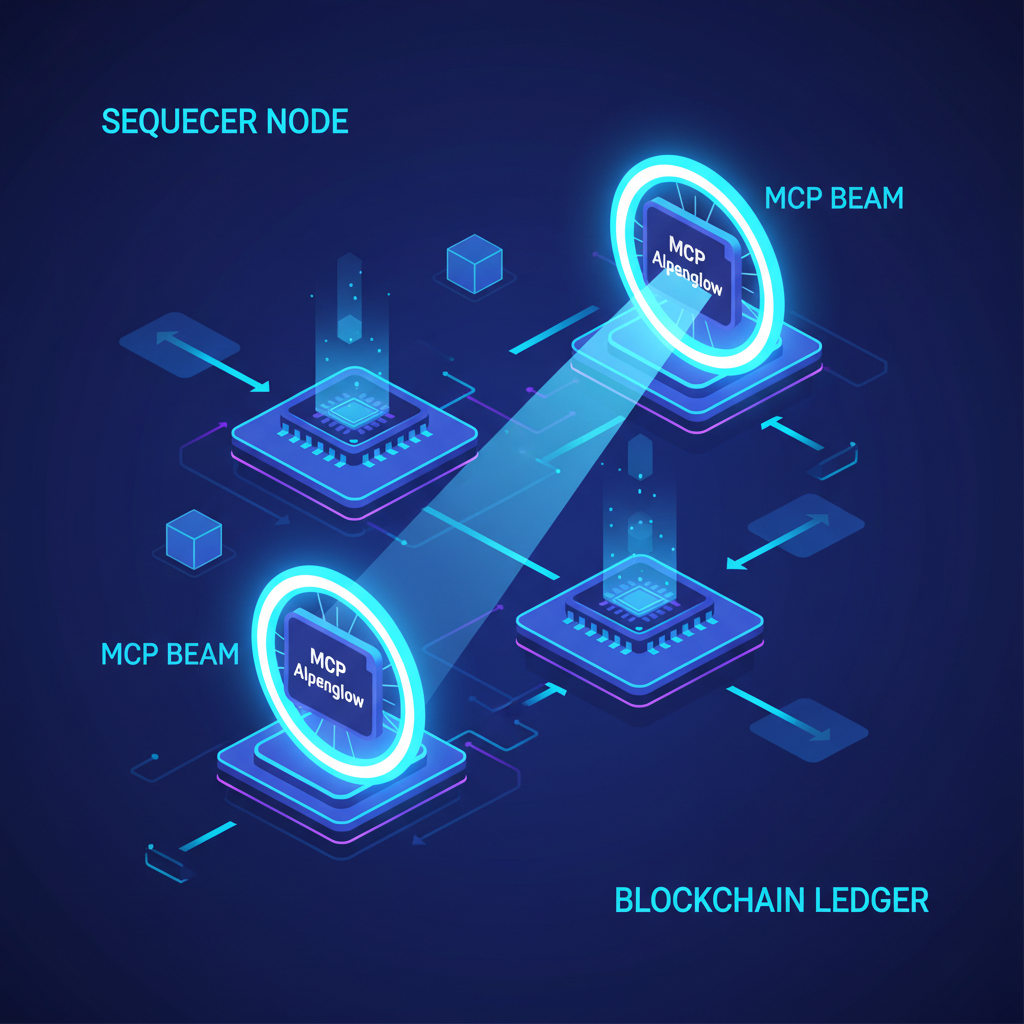
One of the sharpest tools in Solana’s 2026 arsenal is Multiple Concurrent Proposals, or MCP. Traditional blockchains rely on one leader per slot, a chokepoint for decentralized sequencers Solana craves. MCP flips this by allowing multiple validators to propose simultaneously, voting on the fairest bundle. This geo-distributed approach minimizes censorship; no single node can bury transactions favoring cronies.
Think about it in practice. A high-frequency trader trying to front-run? MCP’s parallel proposals dilute their edge, fostering fairer real-time designs for unbreakable blockchains. Anza’s simulations show 99.9% uptime even with 30% malicious stake, a benchmark that humbles many L2s still tethered to centralized sequencers. I’ve traded through Solana outages; MCP feels like the disciplined entry point for long-term holders betting on sovereignty.
Solana (SOL) Price Prediction 2027-2032
Forecasts based on 2026 upgrades including Alpenglow mainnet, MCP rollout, and censorship resistance enhancements amid current price of ~$83
| Year | Minimum Price | Average Price | Maximum Price | YoY % Change (Avg) |
|---|---|---|---|---|
| 2027 | $120 | $300 | $500 | +100% |
| 2028 | $200 | $500 | $900 | +67% |
| 2029 | $300 | $700 | $1,300 | +40% |
| 2030 | $400 | $950 | $1,700 | +36% |
| 2031 | $500 | $1,200 | $2,100 | +26% |
| 2032 | $650 | $1,500 | $2,700 | +25% |
Price Prediction Summary
Solana’s 2026 roadmap delivers breakthroughs in consensus (Alpenglow), decentralization (MCP), and performance, positioning SOL for strong growth. From a 2026 baseline average of $150, projections show average prices climbing to $1,500 by 2032, with bearish mins reflecting caution and bullish maxes capturing adoption surges and market cycles.
Key Factors Affecting Solana Price
- Alpenglow consensus mainnet in Q3 2026 for stable high-performance block production
- MCP rollout to eliminate single-leader monopolies and boost censorship resistance
- Network optimizations: <400ms slots, 100M CU blocks, XDP transmission for higher bandwidth
- Bullish market cycles, including 2028 BTC halving, driving crypto-wide rallies
- Rising adoption in DeFi, gaming, RWAs, and stablecoins on Solana’s scalable infrastructure
- Regulatory clarity favoring decentralized, high-throughput chains
- Competitive edge over ETH L2s in latency, cost, and geo-distribution
Disclaimer: Cryptocurrency price predictions are speculative and based on current market analysis.
Actual prices may vary significantly due to market volatility, regulatory changes, and other factors.
Always do your own research before making investment decisions.
Sequencer Decentralization: Monitoring the True Test of Resilience
True censorship resistant sequencing hinges on sequencer diversity. Solana’s roadmap eyes progress here, drawing lessons from L2 pitfalls where single sequencers invite regulatory nooses. By Q3 2026, expect metrics dashboards tracking validator spread across regions, stake distribution, and proposal inclusion rates. Bandwidth hikes to turbine via XDP mean more nodes can participate without choking on data floods.
- Slot times under 400ms enable sub-second UX.
- 100M compute units per block fuel complex apps.
- VM optimizations slash latency for real-time sequencing.
This setup positions Solana against Ethereum’s slower finality and L2 centralization. While SOL lingers at $83.20, these upgrades whisper of a network ready for mass adoption in gaming, payments, and beyond. Privacy protocols thrive when sequencers can’t collude; Solana’s getting there faster than most realize.
Builders eyeing decentralized sequencers Solana style will find these metrics invaluable. Nosana-like projects monitoring sequencer health offer a blueprint; as stake disperses globally, censorship vectors shrink. I’ve watched SOL swing from outage fears to resilience bets, and at $83.20, the chart screams undervalued potential once mainnet hits.
Build Unbreakable Solana dApps: 5-Step Censorship-Resistant Guide
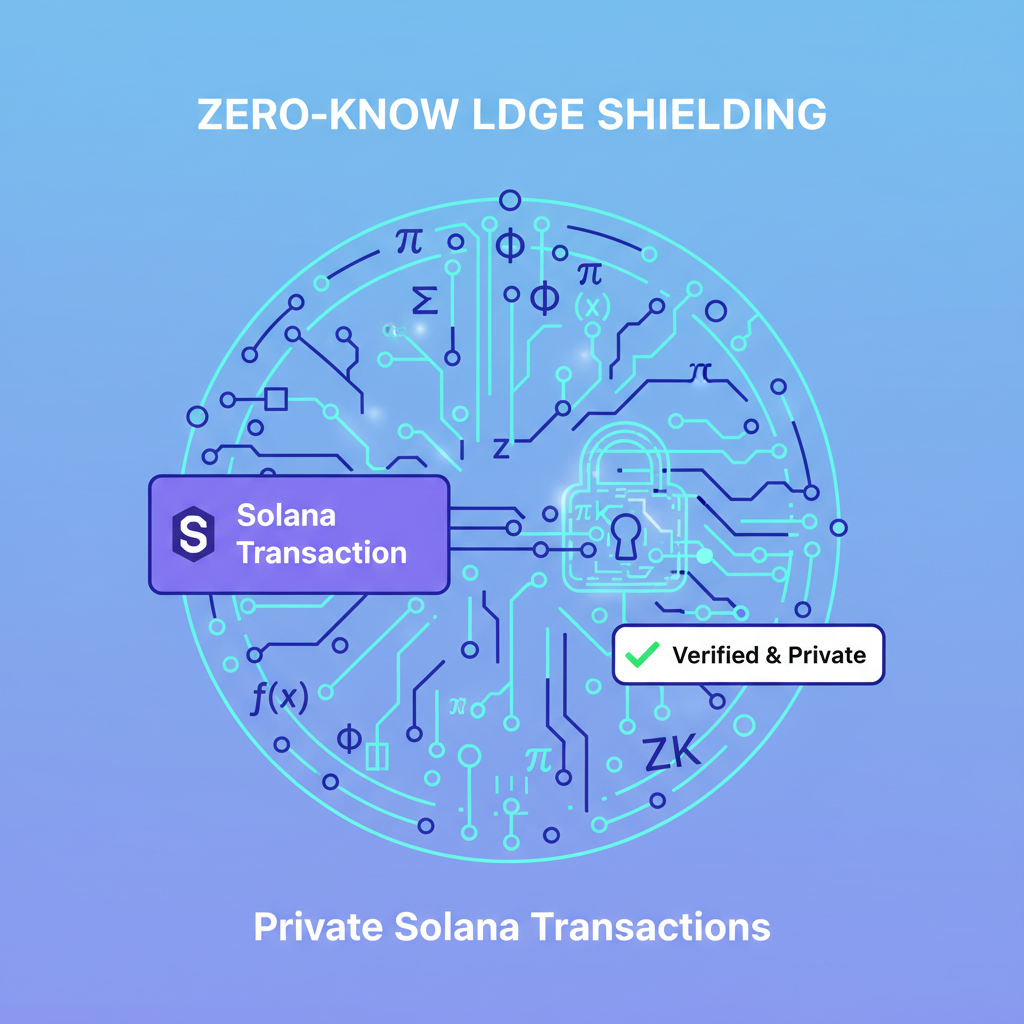
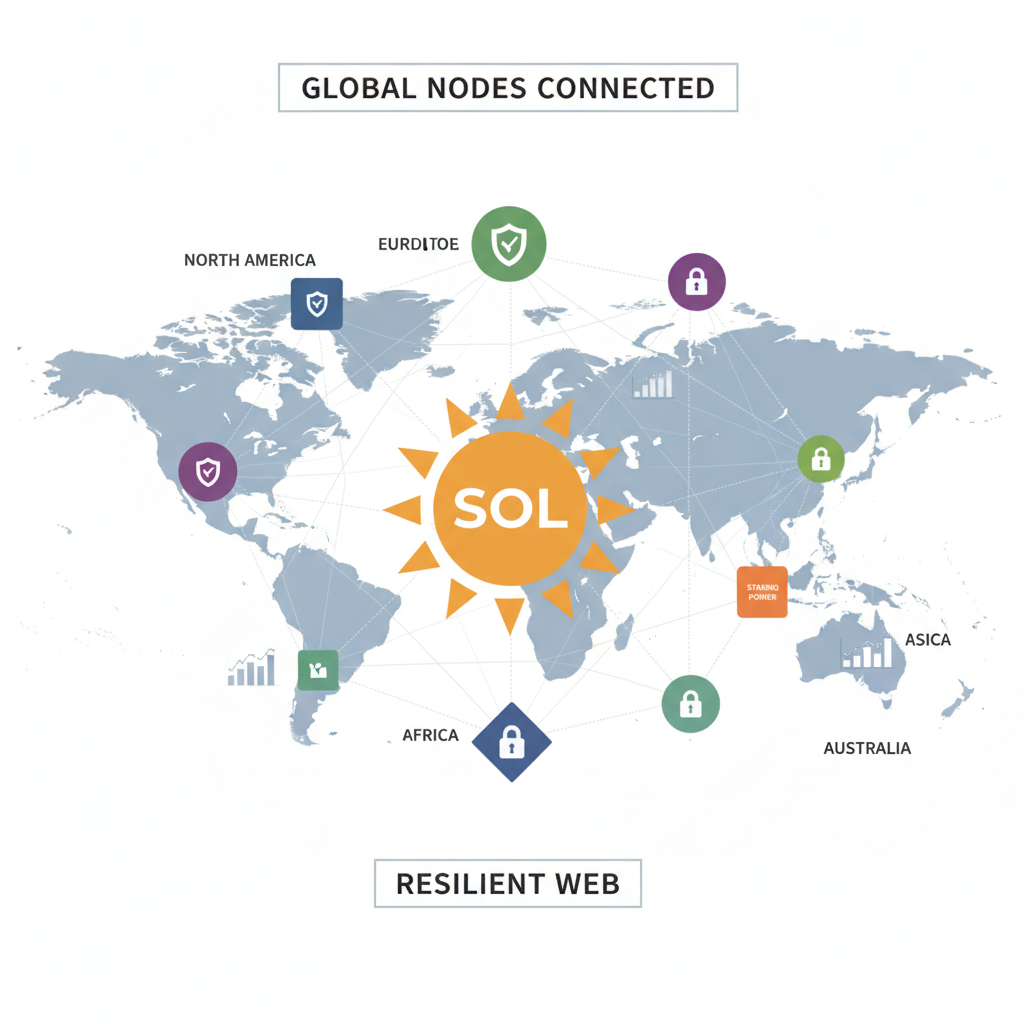
These aren’t pie-in-the-sky promises. Anza’s track record, from Solana Labs spinout to shipping scale without centralization creep, builds trust. Galaxy’s crypto briefs highlight how blockchains like Solana deliver cash-like resistance at speed, outpacing Ethereum’s MEV-laden delays or L2 sequencer risks. Critics claiming Solana lags in decentralization? Alpenglow’s geo-distribution flips that narrative.
Trading the Momentum Swing Privacy Protocols in Play
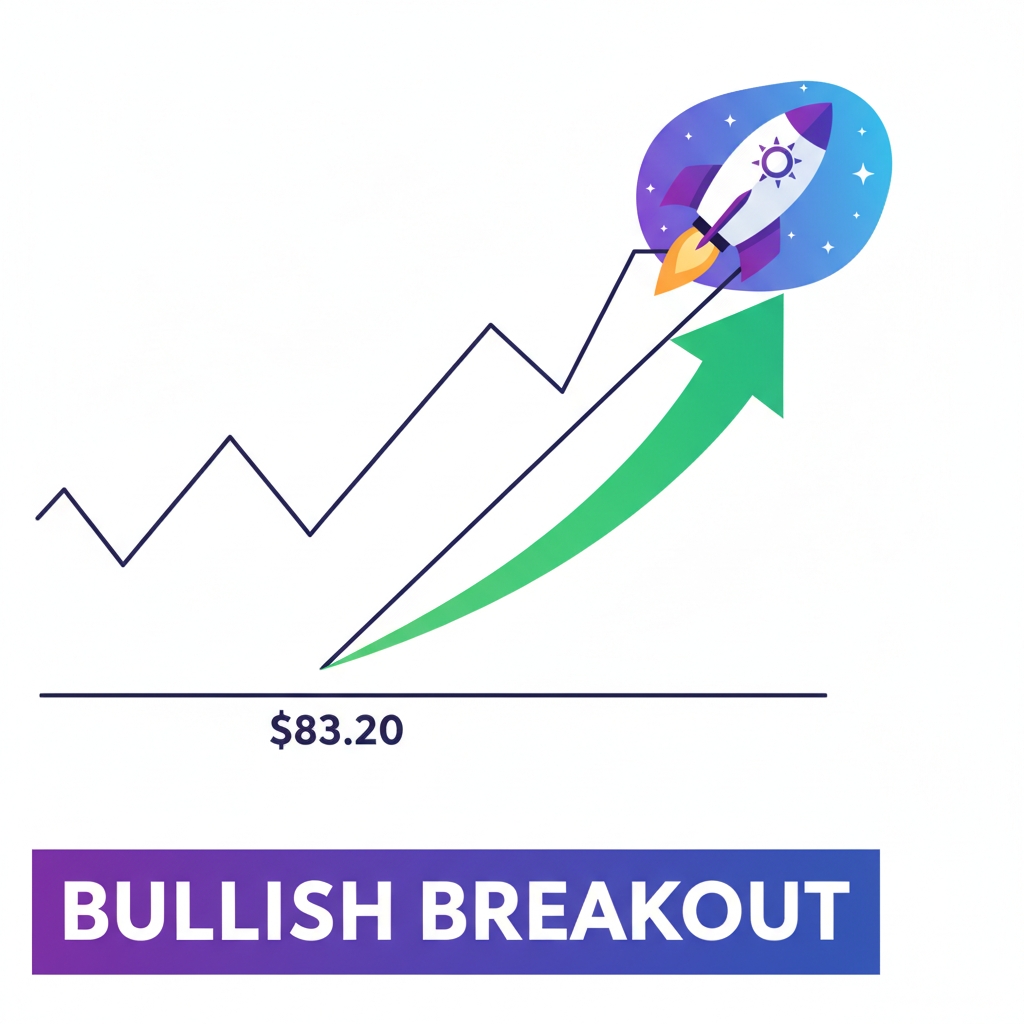
As a swing trader with six years honing medium-risk entries, I view Solana’s upgrades through a momentum lens. At $83.20, down 2.12% from $85.06 highs, SOL tests patience amid broader market dips. Yet, Alpenglow’s hype, echoed by Mert’s X post calling it crypto’s most insane design, signals reversal cues. Watch for volume spikes on MCP testnets; they often precede 20-50% swings in my playbook.
Privacy protocols shine here. Tools resisting censorship pair perfectly with Solana’s low-latency sequencing, drawing inflows from stablecoin rails and gaming guilds. Binance-Peg SOL’s stability at $83.20 underscores this; as network effects compound, expect breakouts past recent lows of $81.95. My strategy: enter on confirmed upticks post-Q3 mainnet, targeting resistance turned support.
Challenges remain, sure. Validator economics must incentivize broad participation, and spam defenses need hardening. But Solana’s self-revolution, as Binance dubs Anza’s push, positions it for unbreakable status. ETHDenver talks on L2 centralization underscore why decentralized sequencers matter; Solana leads by delivering both speed and sovereignty.
Developers, grab these tools now. Tutorials on CensorshipHub walk through integrating MCP for your sequencer setups, ensuring data sovereignty in surveilled times. For enthusiasts, the swing toward freedom starts with understanding these layers. Solana at $83.20 isn’t just a price; it’s entry to a network rewriting blockchain resilience, one sub-400ms slot at a time.
Anza26: Scaling Solana without compromising performance, decentralization, or censorship resistance.