
Censorship Resistant Sequencing in Layer 2 Rollups: Protecting Transactions from Centralized Control

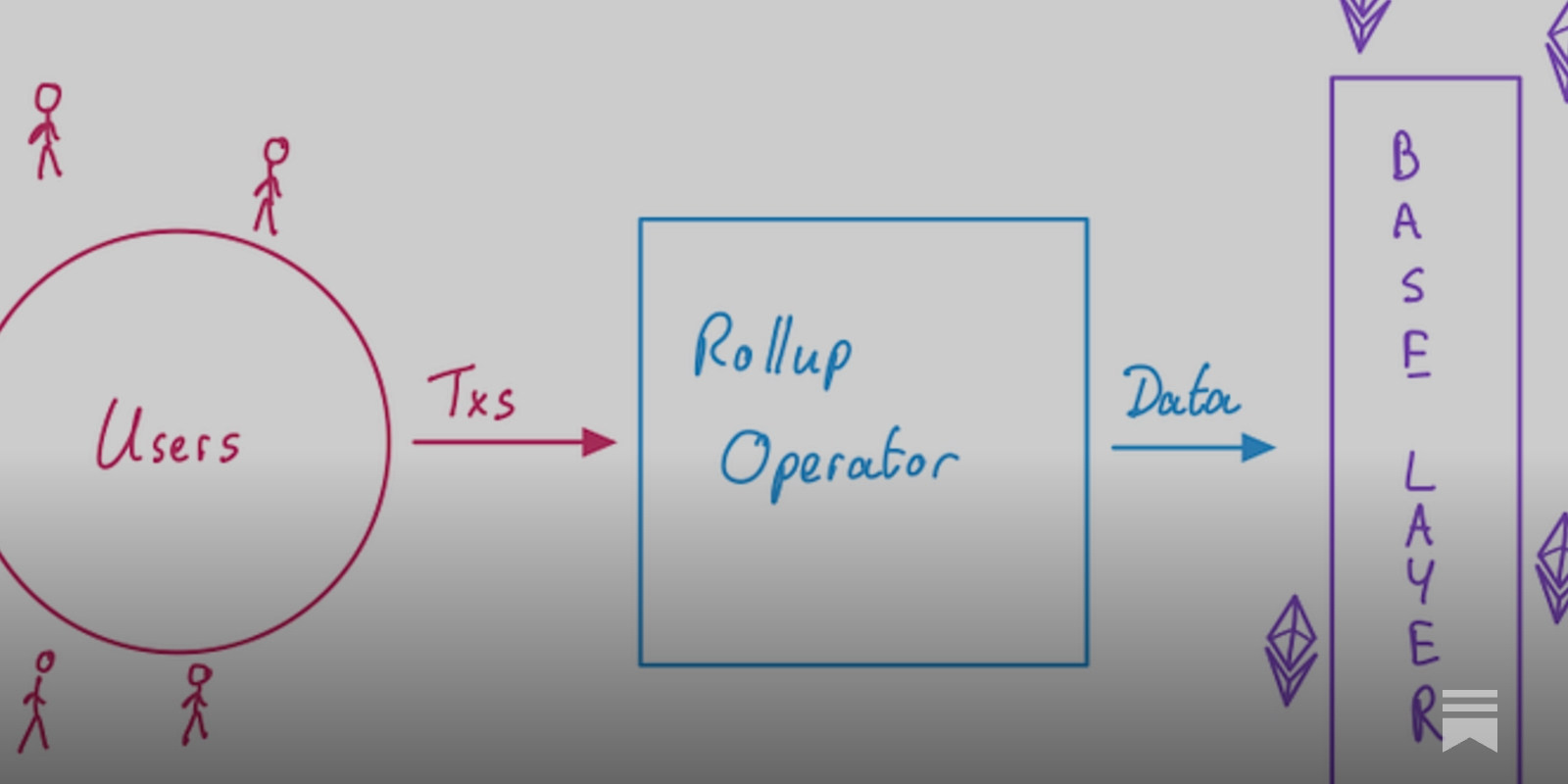
In the high-stakes world of Ethereum scaling, Layer 2 rollups promise lightning-fast transactions and dirt-cheap fees, but there’s a wolf in sheep’s clothing: the centralized sequencer. This single point of control orders your trades, batches them up, and posts to Layer 1. Sounds efficient, right? Wrong. It opens the door wide for censorship, where one rogue operator could block your DeFi swap or NFT mint because it doesn’t align with their agenda. As a trader who’s dodged surveillance in anti-censorship tokens, I’ve seen how this vulnerability threatens the entire privacy revolution. Time to fight back with censorship resistant sequencing that puts power back in your hands.

The Sequencer Bottleneck: Why Centralization Spells Trouble
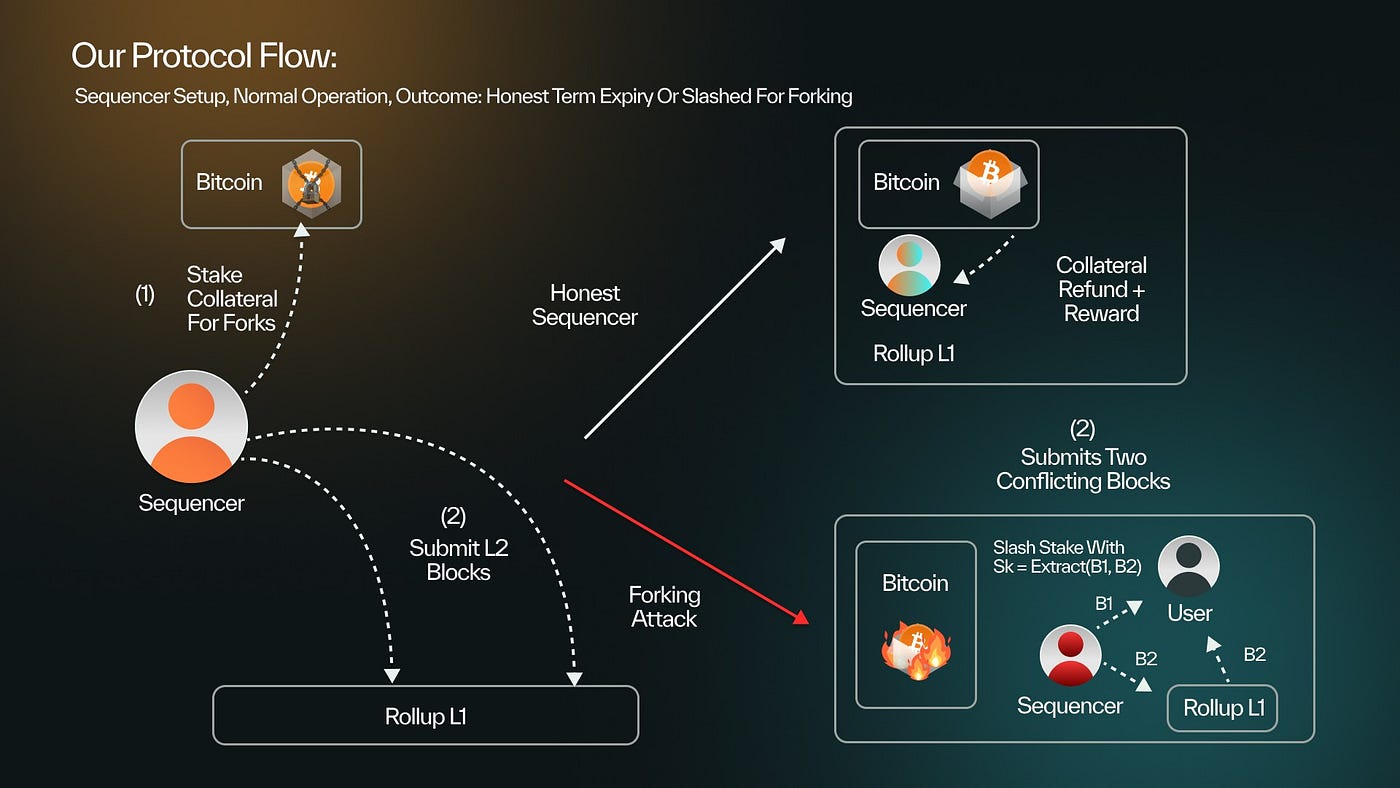
Picture this: you’re about to execute a massive leveraged position on an L2 chain, riding the momentum of a hot altcoin pump. But the sequencer decides your transaction smells fishy and shelves it indefinitely. No recourse, no appeal. Centralized sequencers, as seen in early Arbitrum and Optimism setups, hold this god-like power. They abstract away Ethereum’s complexity, sure, but at the cost of Ethereum rollup censorship resistance. MEV extraction piles on, with sequencers front-running your orders for profit.
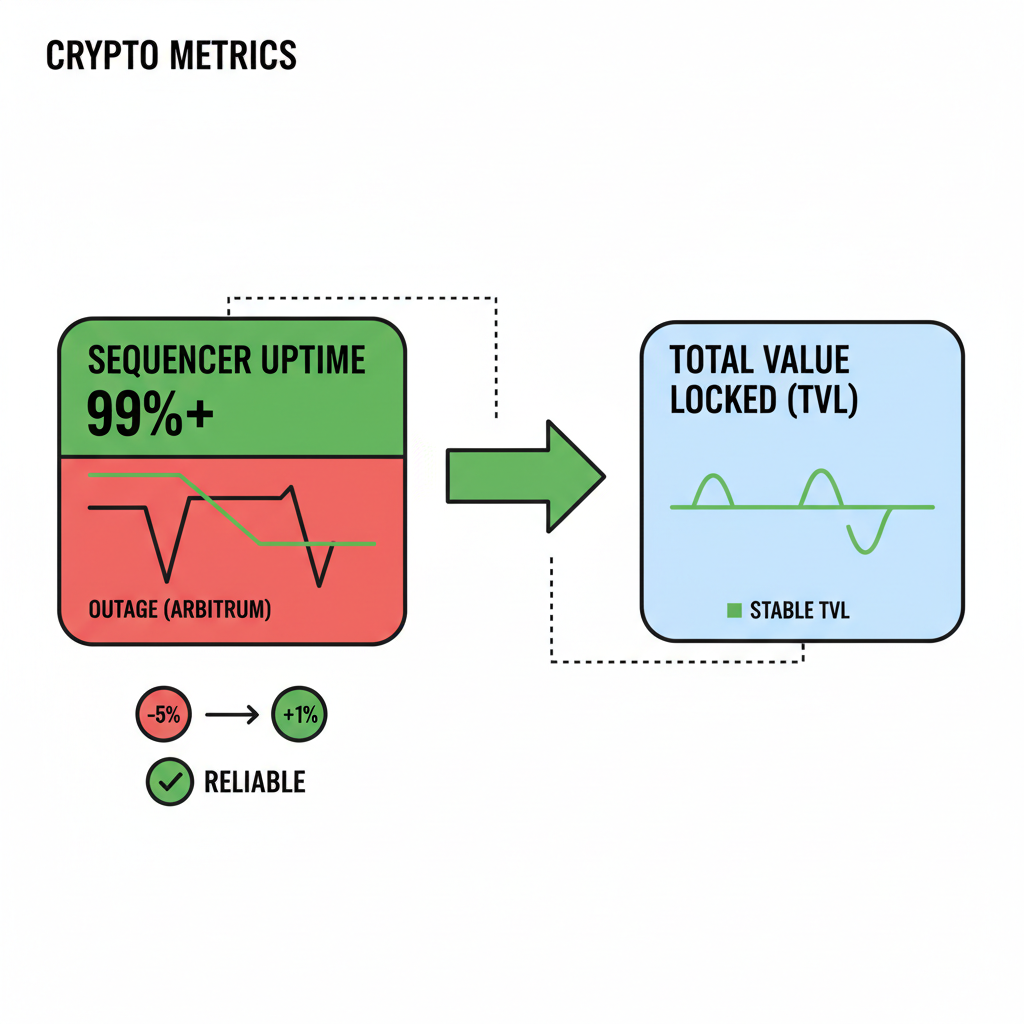
Real-world scares abound. Tweets from insiders highlight sequencer downtime forcing mass exits, potentially vaporizing billions in TVL. And selective censorship? QuickNode nails it: users aren’t trapped forever, but delays can cost you dearly in volatile markets. The updated landscape screams urgency, with Metis alpha-testing decentralized sequencers and roadmaps from big players pushing for L2 sequencer decentralization. This isn’t optional; it’s survival.
Force Inclusion: Bypassing the Sequencer Tyrant
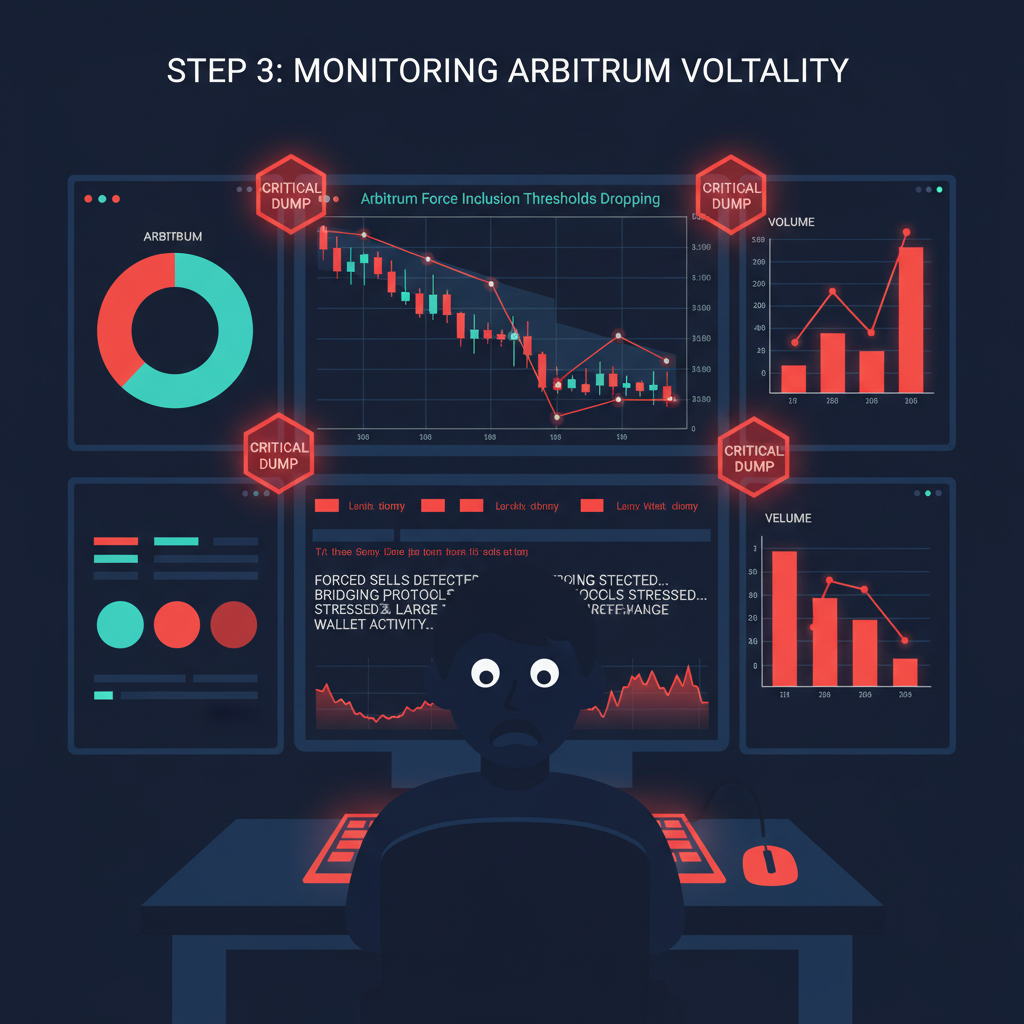
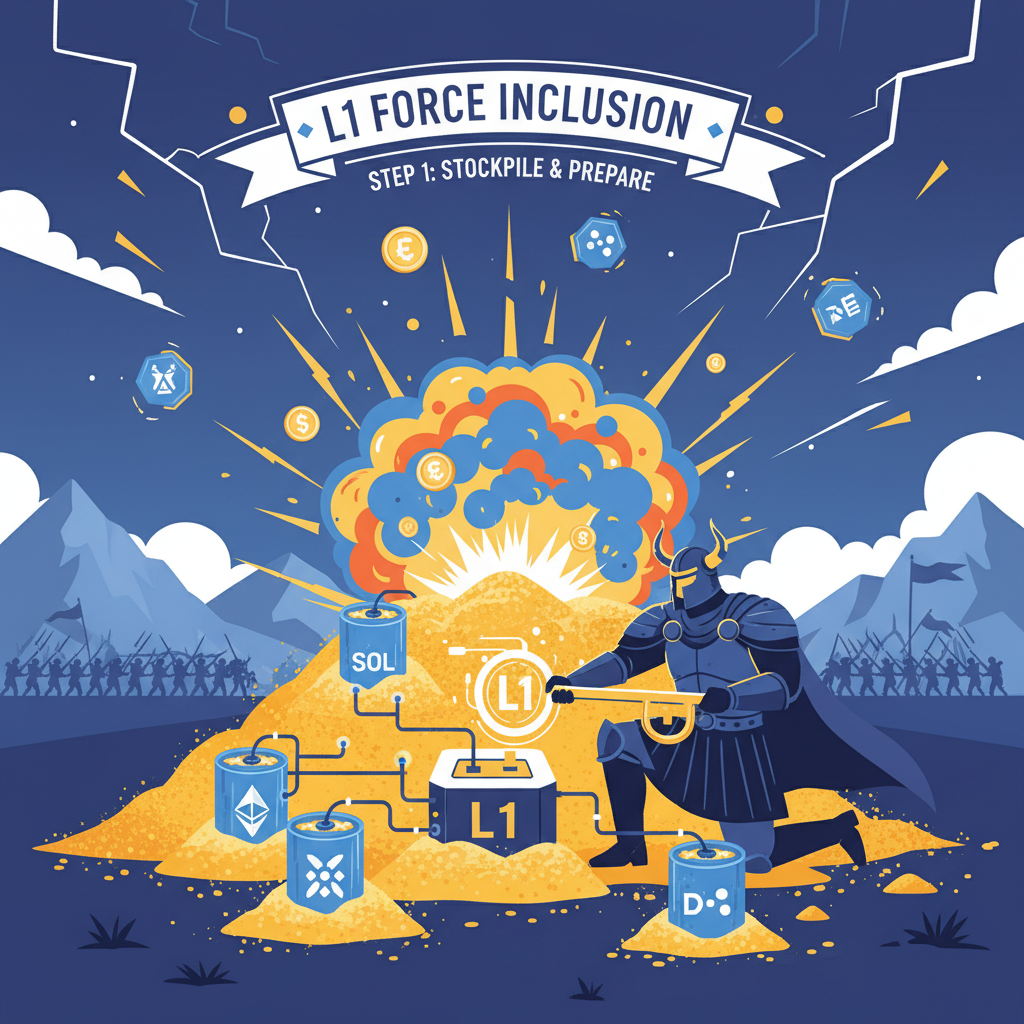
Enter force inclusion L2 transactions, the ultimate escape hatch. When the sequencer ghosts you, blast your transaction straight to Ethereum L1. It’s slower, pricier, but uncensorable. Arbitrum’s Censorship Timeout smartly drops thresholds during delays, ensuring fair play. Binance breaks it down: rollups embed this in their L1 contracts, forcing inclusion in the next batch no matter what.
Developer DAO emphasizes L1 as the unyielding source of truth. Tim Roughgarden’s lectures call it the ‘escape hatch’ – any user can invoke it. Chainscorelabs details the mechanics: submit to L1, bypass the sequencer entirely. Gate. io adds that without this, sequencers could rewrite history. Optimism users already wield it, proving its battle-tested chops. But here’s my bold take: relying on force inclusion is like a fire escape in a skyscraper. Vital, but we’d rather not need it.
Force Inclusion Superpowers!
-
Censorship Proofing: Bypass rogue sequencers by posting txs directly to Ethereum L1 for uncensorable inclusion.
-
Speed Fallback: Escape sequencer delays with direct L1 submission, ensuring txs aren’t stuck forever.
-
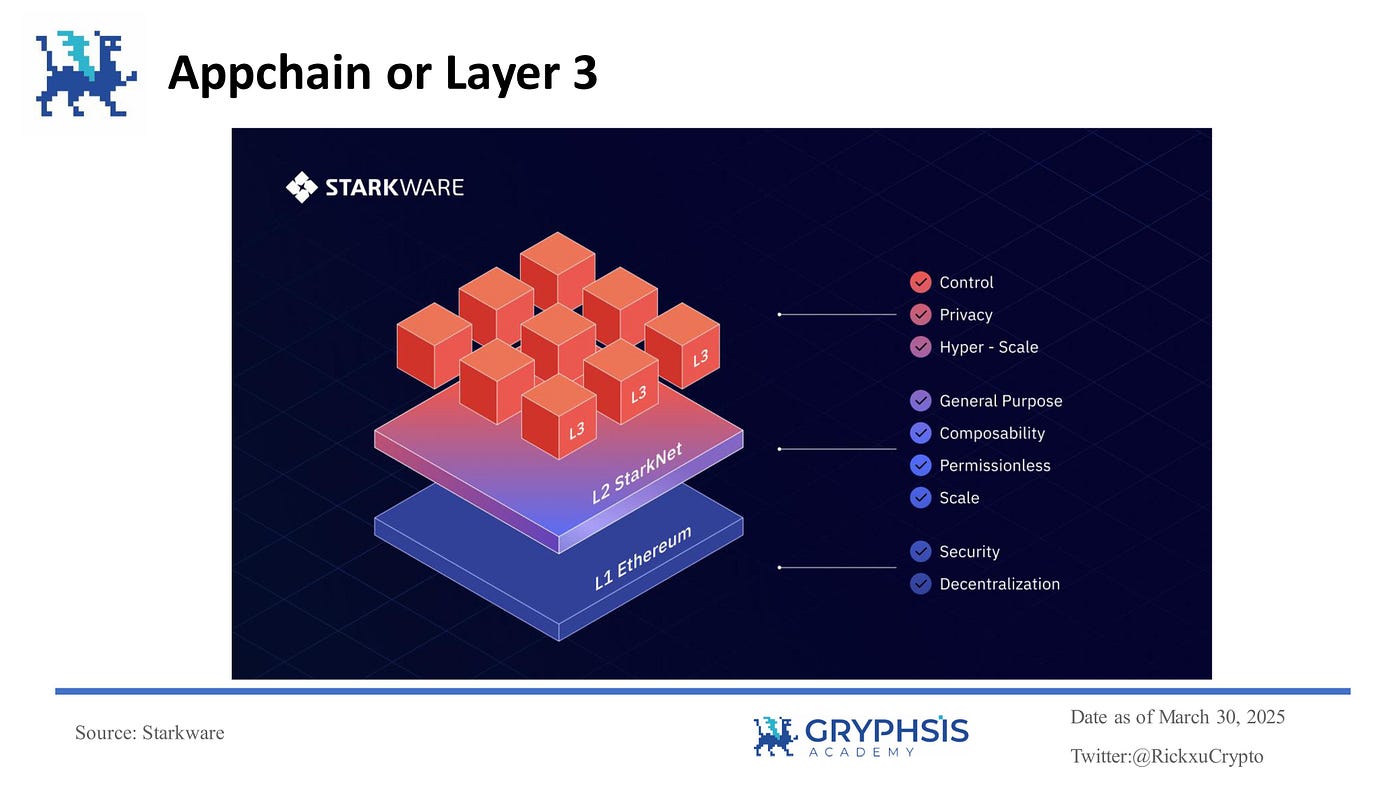
L1 Security Inheritance: Tap into Ethereum’s battle-tested security as the ultimate source of truth.
-

User Empowerment: Take control—force your tx into the next batch no matter what the sequencer does!
-
Sequencer Accountability: Keeps centralized sequencers honest with user-enforced inclusion mechanisms.
Decentralized Sequencer Protocols: The Real Power Play
Force inclusion buys time, but true decentralized sequencer protocols eliminate the problem at the root. Metis’s alpha decentralized sequencer spreads duties across validators, slashing single-point risks. Arbitrum and Optimism roadmaps pledge full decentralization, distributing ordering like Ethereum’s validators do blocks.
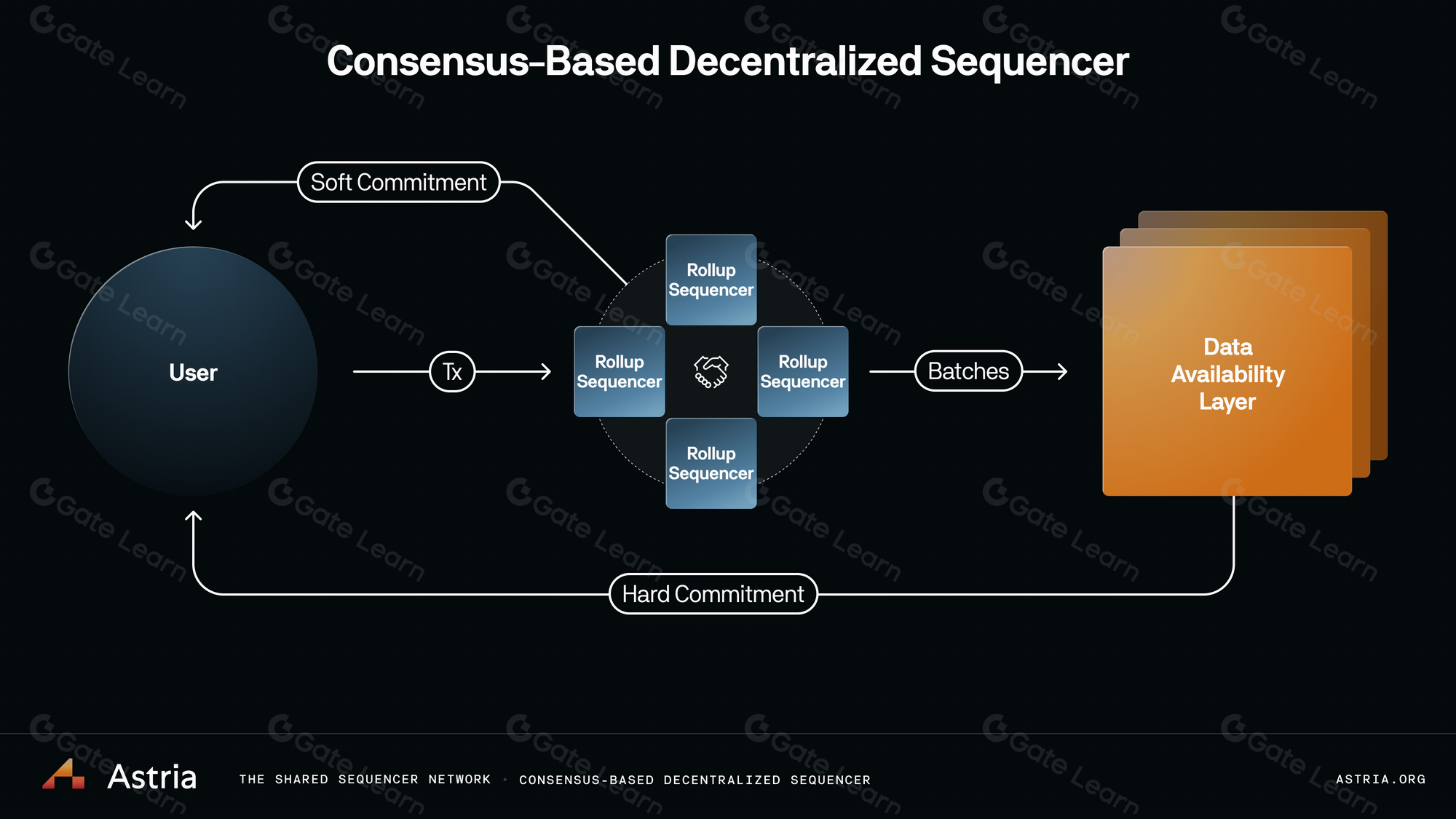
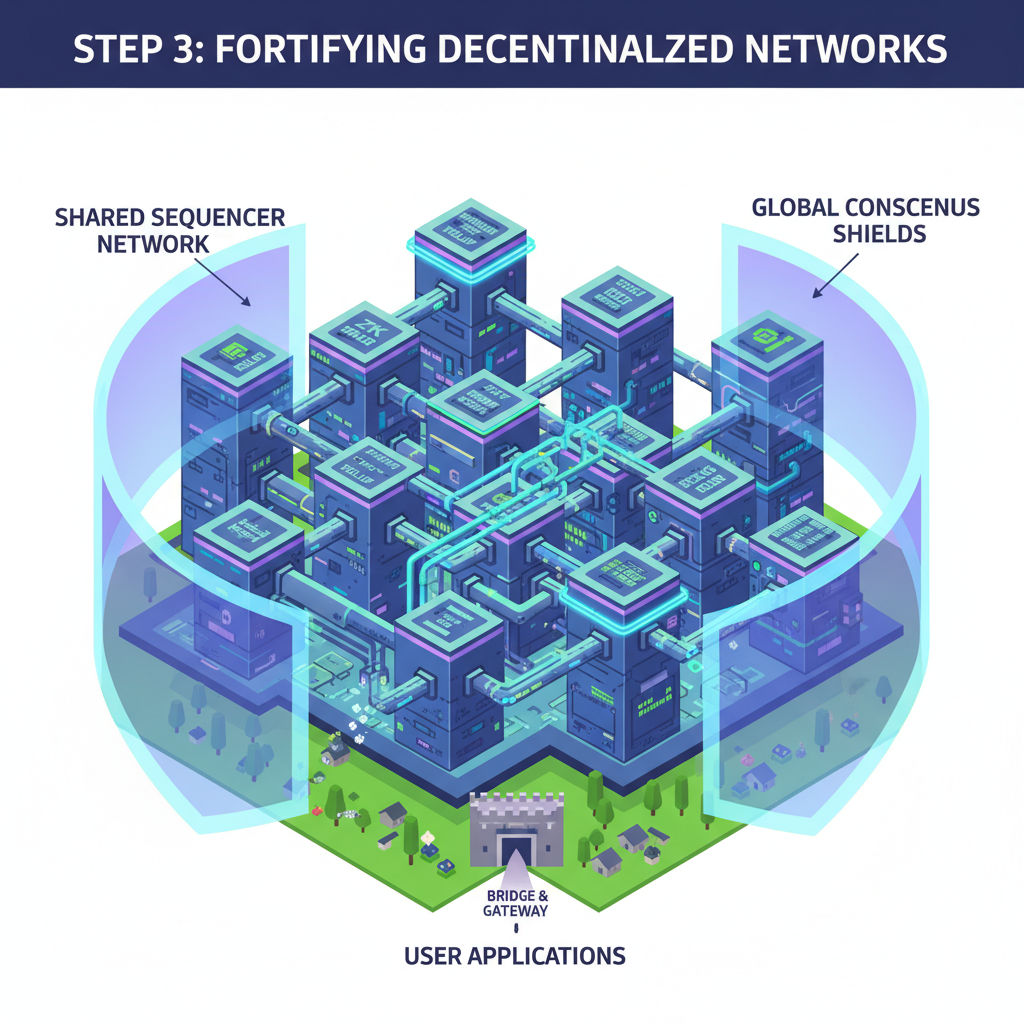
Shared sequencing networks crank it up. Espresso and Astria build hubs servicing multiple rollups, boosting censorship resistant sequencing while unlocking cross-rollup atomics. ScienceDirect explores rollups feeding into a shared network, converging independent sequencers for ironclad resistance. No one entity dominates; consensus rules.
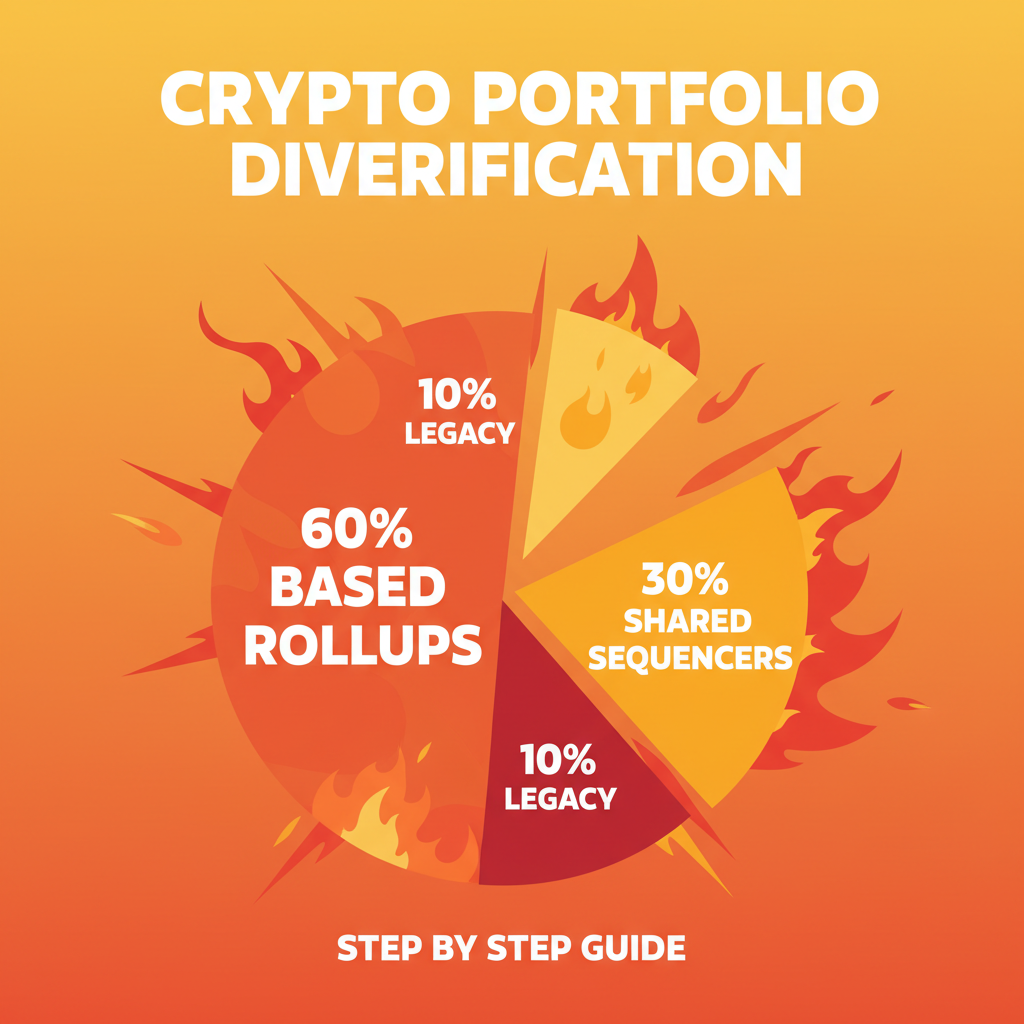
Then there’s based rollups, my personal favorite for aggressive plays. Ditch sequencers altogether, source ordering from Ethereum L1 validators. Surge docs highlight inheriting L1’s security and censorship resistance seamlessly. Ethereum Research touches on based preconfirmations safeguarding against compromised sequencers. This model’s purity aligns with blockchain’s ethos: trustless, unstoppable.
Based rollups aren’t just theory; they’re live firepower for traders like us. By outsourcing sequencing to Ethereum’s battle-hardened validators, you sidestep centralization entirely. No MEV sandwich attacks, no censorship whims, just raw L1 ordering baked into every batch. Surge’s docs lay it out clean: inherit Ethereum’s rollup censorship resistance without the sequencer middleman. Ethereum Research dives into based preconfirmations, ensuring even force-included transactions hold up against rogue operators. This is the momentum we’re riding in the privacy revolution – pure, decentralized dominance.
Risks of the Old Guard
| Risk | Impact on Portfolio | Real-World Examples | Mitigation via Censorship-Resistant Sequencing |
|---|---|---|---|
| Mass Exits 🚨 | 20-50% drawdowns, $1B+ value destruction 🔥💥 | When sequencer fails, rollup falls back on forced inclusion and mass exit (X · dumbnamenumbers) | Decentralized sequencers (e.g., Metis alpha, Arbitrum/Optimism roadmaps) prevent mass exits ✅ |
| Censorship 🚨 | Blocked transactions, lost opportunities, selective censorship 💥 | Users not permanently trapped but face delays; sequencer can censor (Quicknode, Gate.com) | Force Inclusion mechanisms allow bypass to L1 (Optimism, Arbitrum Censorship Timeout) ✅ |
| Downtime/Outages 🚨 | Network halts, 20-50% portfolio drawdowns 🔥 | Optimism sequencer outage; sequencer delays (Arbitrum) | Shared sequencing networks (Espresso, Astria) distribute responsibilities ✅ |
| MEV Extraction | Unfair value extraction by centralized sequencer 😠 | Centralized sequencers extract MEV (zylos.ai research) | Based Rollups leverage Ethereum L1 validators for ordering ✅ |
L2 Sequencer Models Comparison (with emojis for impact)
| Model | Censorship Resistance | MEV Risk | Speed | Examples |
|---|---|---|---|---|
| Centralized | Low ❌ | High 😈 | Fast ⚡ | Early Arbitrum |
| Decentralized | Medium-High 🔒 | Medium ⚠️ | Fast-Medium 🏃 | Metis |
| Shared | High 🛡️ | Low-Medium 📊 | Fast 🚀 | Espresso/Astria |
| Based | Very High ⭐ | Low ✅ | Medium-Fast ⚡ | Surge |
Build Your Censorship-Proof Trading Fortress: Trade Like a Freedom Fighter!


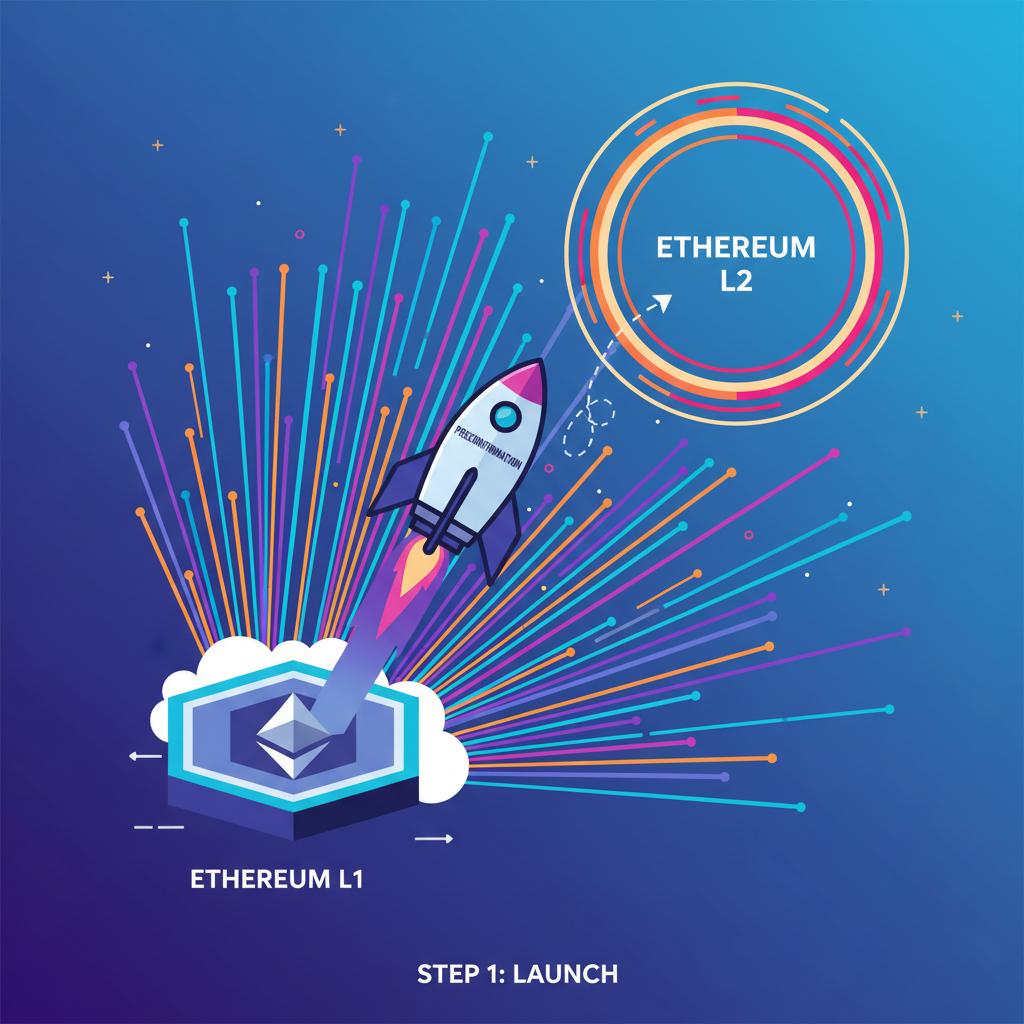
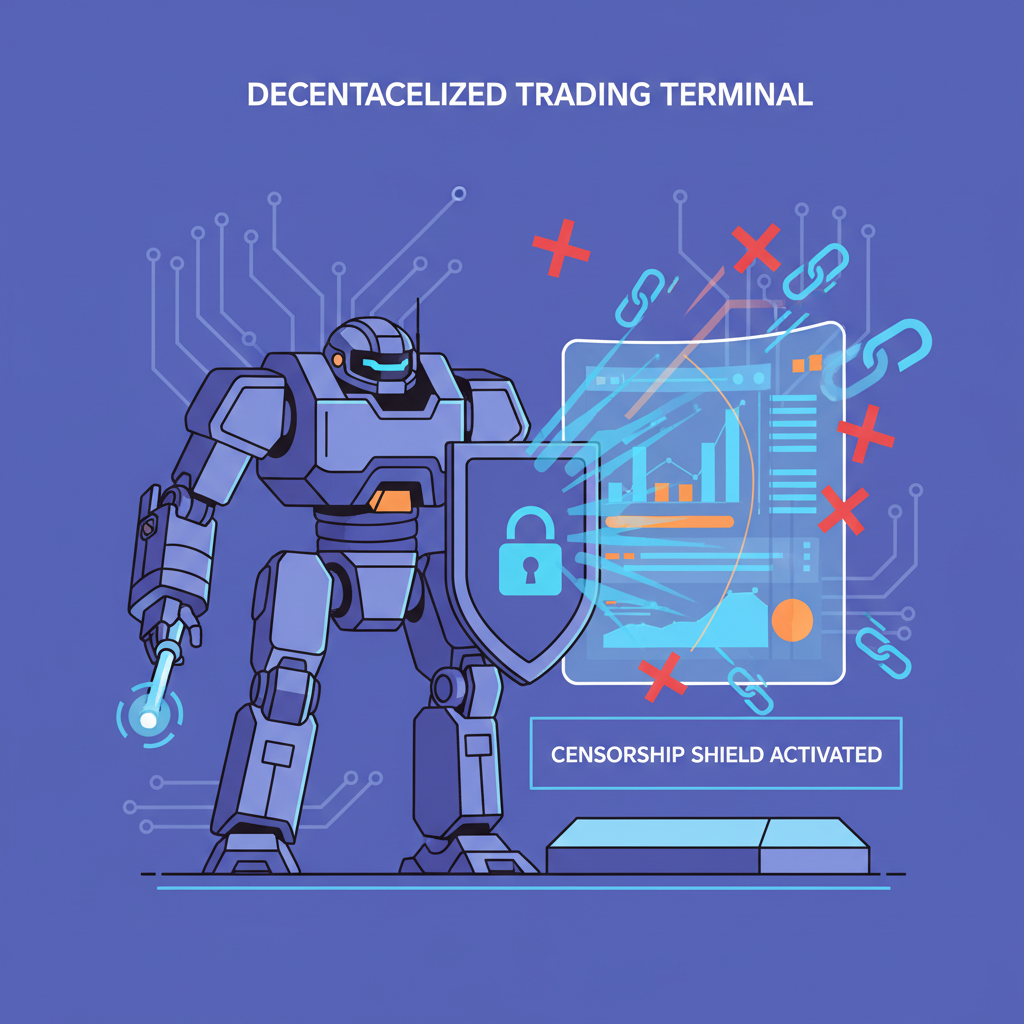
Trade Like a Freedom Fighter

Projects like Astria are piloting shared sequencers that bundle rollups into a censorship-proof mesh, enabling seamless interoperability. ScienceDirect’s model converges independents into networks too robust for attacks. QuickNode stresses selective censorship’s bite – even brief holds cost traders slippage. Gate. io hammers home: without force inclusion, sequencers own your history.
The momentum builds. With Ethereum’s Dencun upgrade slashing L1 costs, force inclusion becomes viable for everyday trades, pressuring sequencers to decentralize or die. Binance spotlights implementations across top rollups, from zkSync to Starknet variants. Tim Roughgarden’s escape hatches evolve into full architectures.
Arm yourself now. Dive into these protocols, deploy on decentralized frontiers, and trade uncensorable. Centralized control crumbles under distributed fire. In this surveilled world, censorship resistant sequencing isn’t tech jargon – it’s your ticket to unstoppable gains. Ride it hard, or watch from the sidelines as the privacy revolution accelerates.