
Censorship-Resistant Onchain Sequencers: Syndicate Protocol for L2 Fair Ordering

In the high-stakes arena of Layer 2 scaling, where throughput meets trustlessness, centralized sequencers stand as silent gatekeepers, ordering transactions with unchecked power. This opacity breeds vulnerabilities: censorship risks, MEV extraction, and single points of failure that undermine the very decentralization Ethereum rollups promise. Enter Syndicate Protocol, a bold stride toward censorship-resistant onchain sequencers, embedding sequencing logic into transparent smart contracts on EVM-compatible rollups. By handing control back to applications, Syndicate redefines decentralized L2 sequencing, ensuring fair ordering while slashing manipulation vectors.

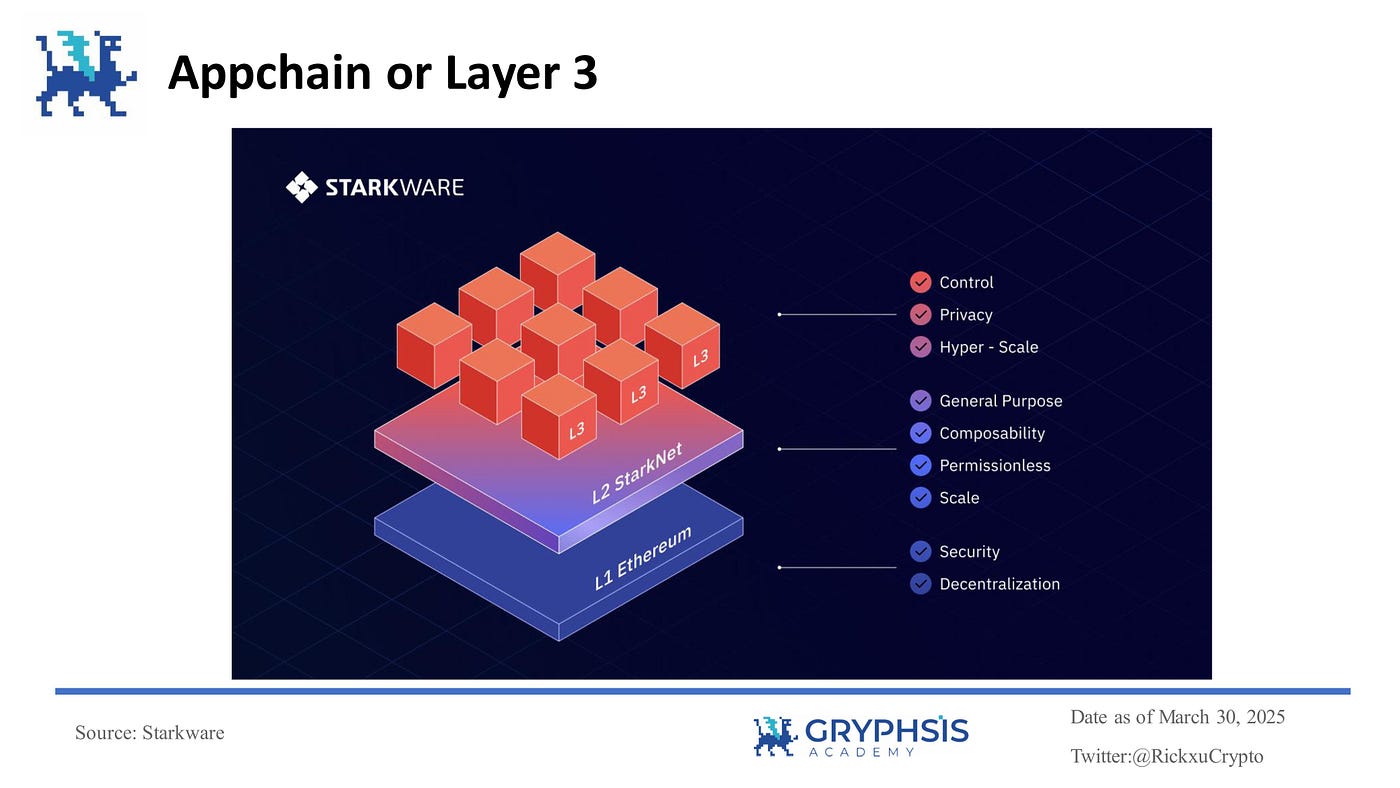
Traditional L2 architectures lean heavily on a single sequencer node to batch and order transactions before posting to Ethereum. This setup delivers sub-second confirmations, but at what cost? Data from Arbitrum and Ethereum Research highlights how sequencers dictate not just speed, but censorship resistance and transaction fairness. A rogue operator could prioritize high-tip transactions, suppress dissent, or even halt the network, echoing centralized block production pitfalls Nansen critiques in rollups.
Centralized Sequencers: Vulnerabilities Exposed
Examine the mechanics: rollups process executions off-chain for efficiency, but the sequencer’s role in curating the batch calendar determines inclusion order. ChainScore Labs defines sequencer censorship resistance as the ability to force inclusion despite primary refusal, a feature absent in most deployments. ArXiv papers on rollup security underscore this as a critical flaw, where off-chain ops amplify trust assumptions.
Core Risks of Centralized Sequencers
-

Censorship by selective inclusion: Sequencer operators can exclude transactions, undermining user access (e.g., Arbitrum sequencer role).
-
MEV exploitation via private mempools: Insider access to private mempools enables front-running and transaction manipulation.
-

Single-point downtime: Centralized failure halts all L2 activity, as seen in rollup sequencer vulnerabilities.
-
Unfair ordering favoring insiders: Proprietary ordering prioritizes operator transactions over fair inclusion.
Zeeve and Dartmouth Blockchain analyses of shared sequencers reveal partial mitigations, distributing nodes for resilience. Yet, they fall short on full transparency. Ethereum Research’s roadmap to ‘based rollups’ charts a path from centralized to decentralized sequencing, but implementation lags. Syndicate accelerates this, transforming sequencers from opaque operators into auditable contracts.
Syndicate’s Onchain Paradigm Shift
Syndicate Protocol, as detailed in their updated framework from February 2026, deploys sequencing as EVM smart contracts. This onchain sequencers Syndicate model relocates ordering logic on-chain, empowering apps with programmable rules. Developers dictate custom fee markets, governance, and even cross-domain messaging, per Cube Exchange’s sequencer role insights.

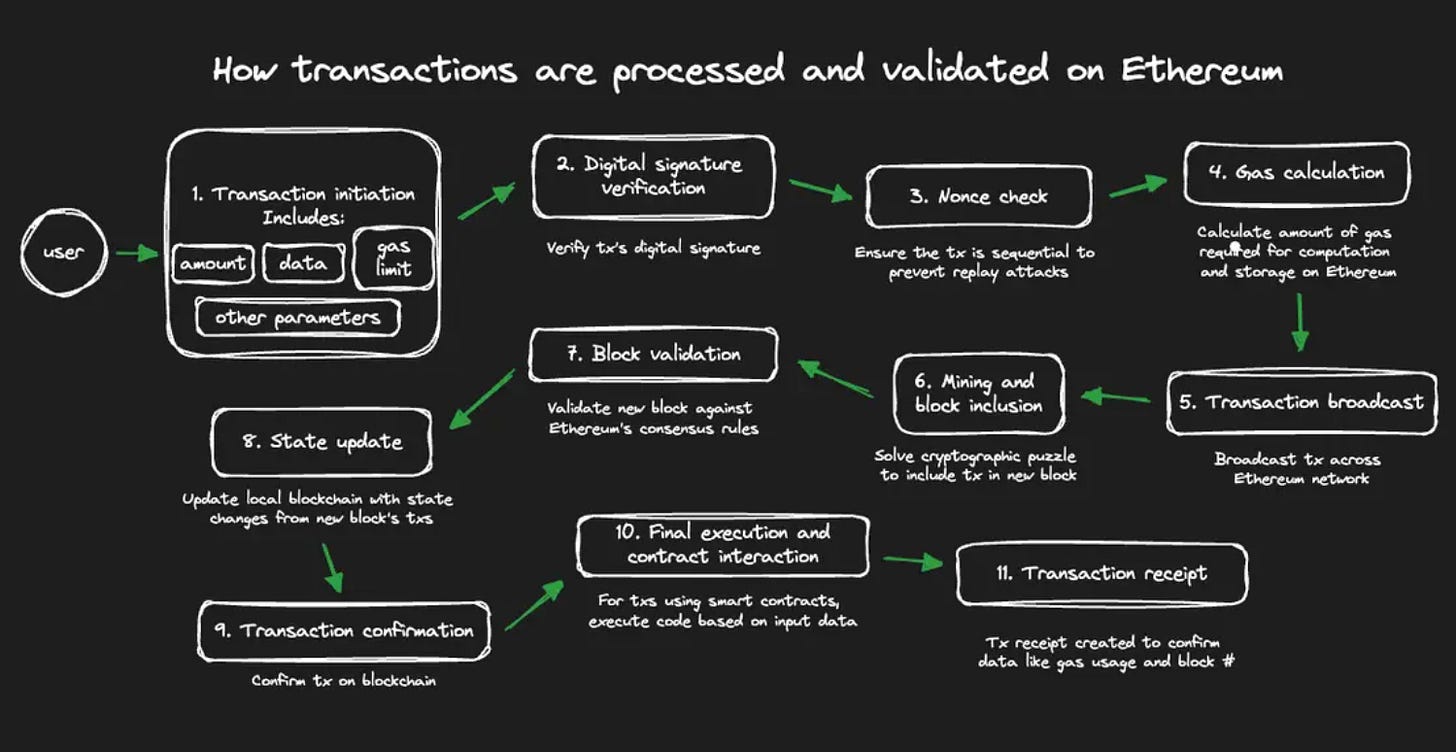
Precision engineering here is key: transactions feed into a decentralized pool, ordered via contract-enforced auctions or FCFS mechanisms. No more private mempools; everything’s verifiable pre-inclusion. Metabased rollups from Syndicate. io extend this to L3s, fostering community-owned economics. Appchains gain transformative edge, solving mainstream adoption barriers outlined in their docs.
Fair Ordering: The Heart of Anti-Censorship Design
Fair transaction ordering blockchain emerges as Syndicate’s linchpin, countering front-running and sandwich attacks plaguing DeFi. Programmable sequencers allow apps to implement threshold auctions, time-weighted priorities, or even social-choice ordering. This aligns with anti-censorship sequencer protocols, where liveness proofs and forced inclusion slots guarantee progress.
Quantitative edge: simulations from similar shared sequencer networks show 40-60% censorship reduction, per Medium studies. Syndicate’s EVM compatibility ensures seamless integration, no L1 calldata bloat. Governance tokens could stake into sequencing committees, mirroring proof-of-stake but for ordering fairness. Developers, privacy advocates, and traders benefit from resilient batches, immune to operator whims.
Syndicate’s design doesn’t stop at resilience; it injects economic incentives that align operators with network health. Stakers earn from batch auctions, penalized for downtime or censorship via slashing mechanisms akin to those in Ethereum’s consensus layer. This creates a self-policing ecosystem, where decentralized L2 sequencing isn’t theoretical but economically inevitable. Traders in privacy-focused cryptos, like those I chart daily, stand to gain from predictable ordering, slashing MEV shadows that distort swings in volatile assets.
the year is 2027, skycastle has 19 projects under their wing. the network is 87 deep and manages $2.66m. six of the industries top ten revenue generating apps reside within the castle. pass through yield is sitting at 214% per annum. the castle is increasingly capitalized. the syndicate owns the top farcaster client and runs four protocol nodes. three other projects are underway, each entirely owned by $SKY holders and its clients. the syndicate has zero outside dependencies and no longer operates under glass ceilings. several otc deals have been reached and liquidity is adequate through the $100m market cap range and beyond. the sky is the limit, and the castle is no longer undiscovered.
Contrast this with shared sequencer pools from Zeeve or Dartmouth models: while they distribute nodes, off-chain coordination persists, inviting collusion. Syndicate’s onchain pivot eliminates that gray zone, verifiable by any EVM explorer. ArXiv’s rollup security analyses validate this shift, noting how onchain components fortify against adversarial sequencers. For appchains, as Syndicate. io outlines, programmable sequencers unlock mainstream viability, letting dApps tailor ordering to use cases – from DeFi’s auction precision to social apps’ chronological purity.
Deploying Censorship-Resistant Sequencers
Integration demands minimal friction, leveraging EVM standards. Developers fork Syndicate’s open contracts, customize ordering params, and deploy to their rollup. Ethereum Research’s based rollup roadmap finds real traction here, bypassing gradual centralization unwinds.
Deploy Syndicate: Censorship-Resistant Onchain Sequencer for L2 Fair Ordering
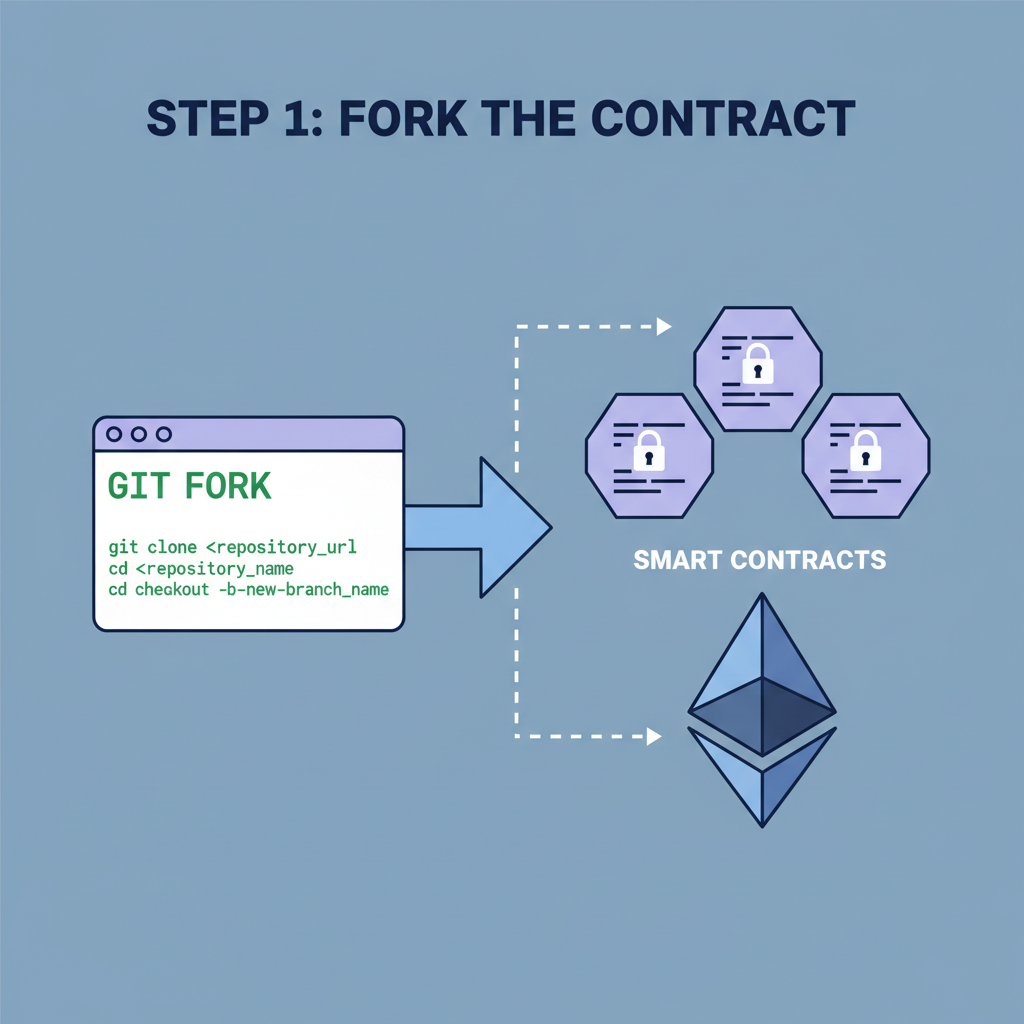
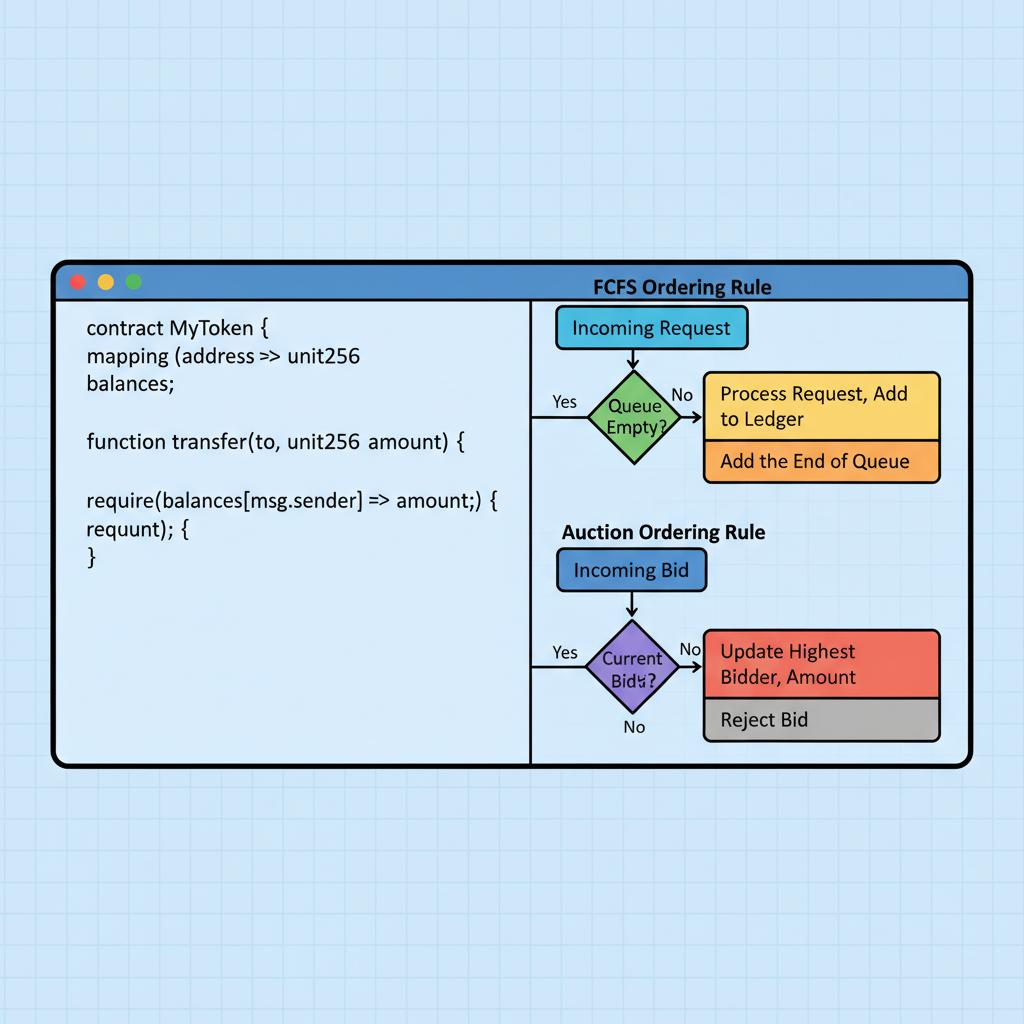
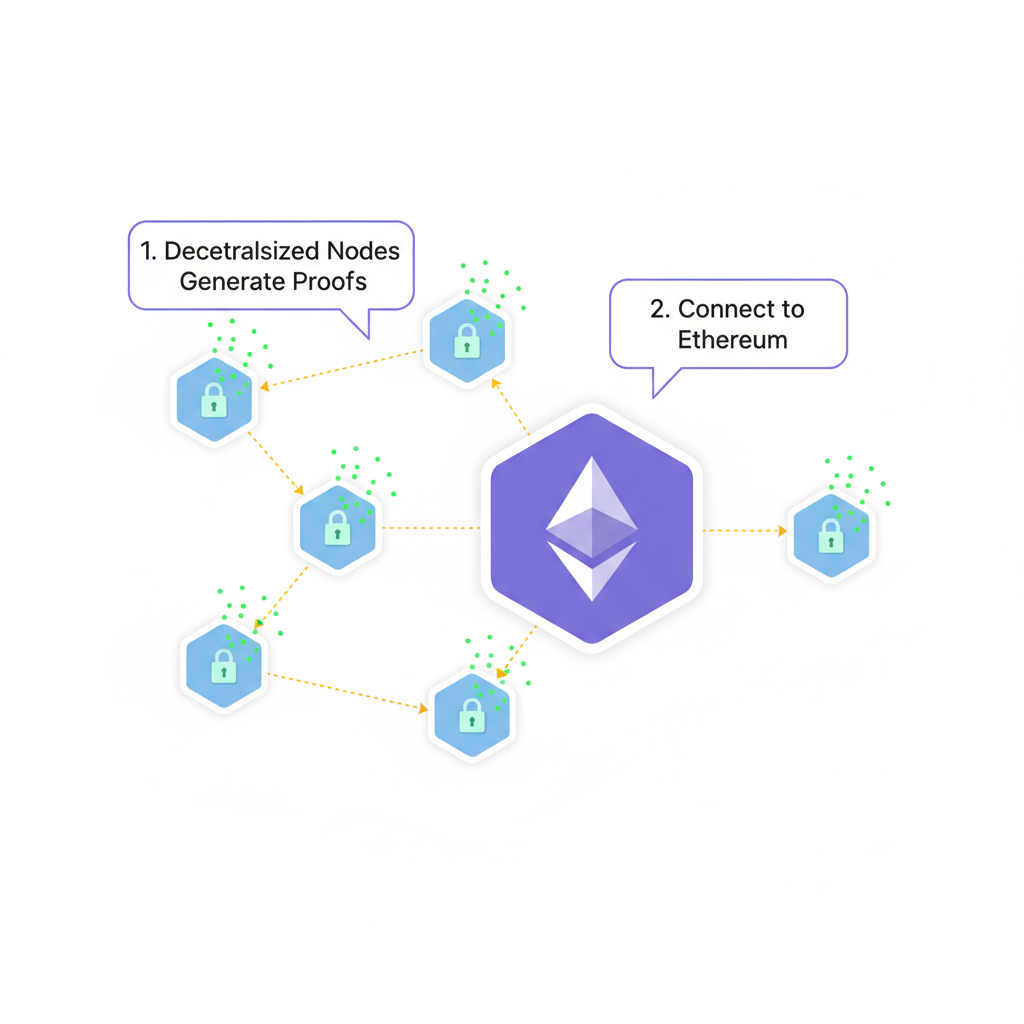
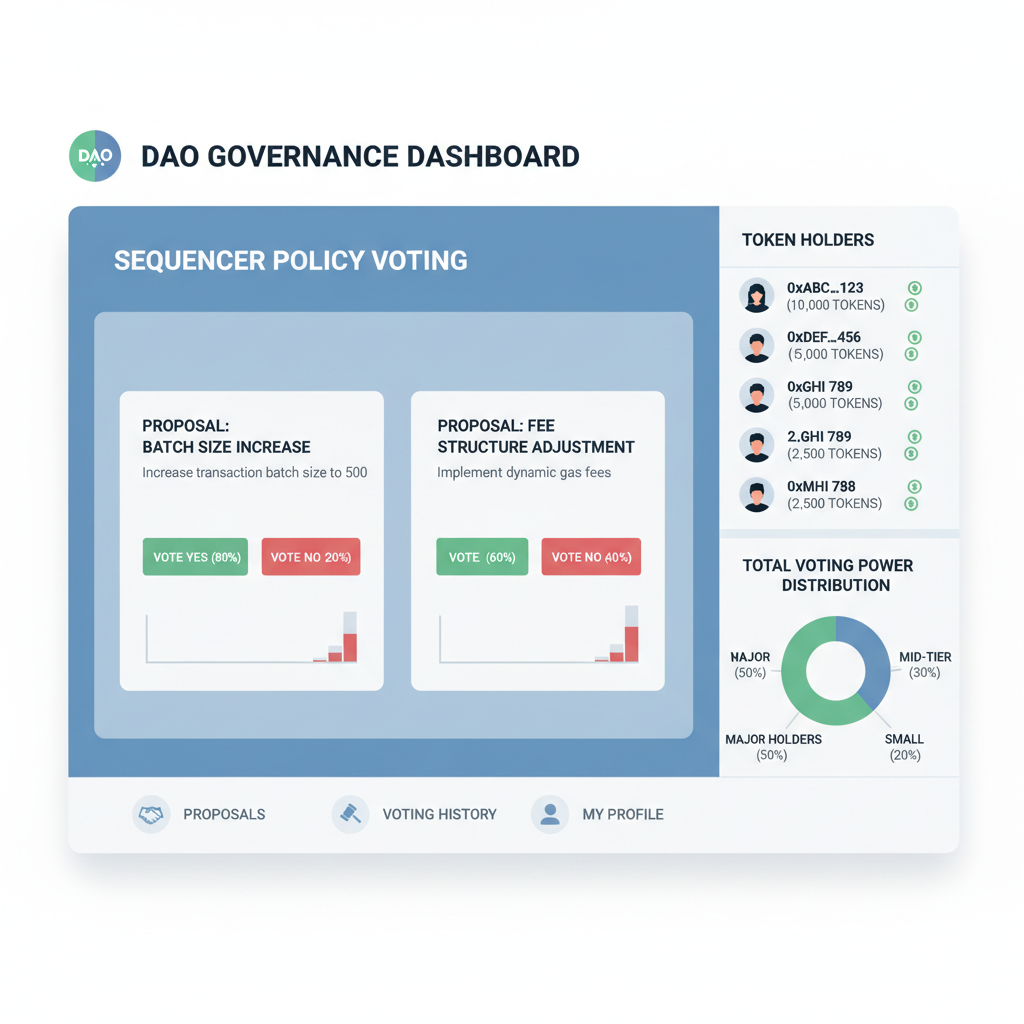
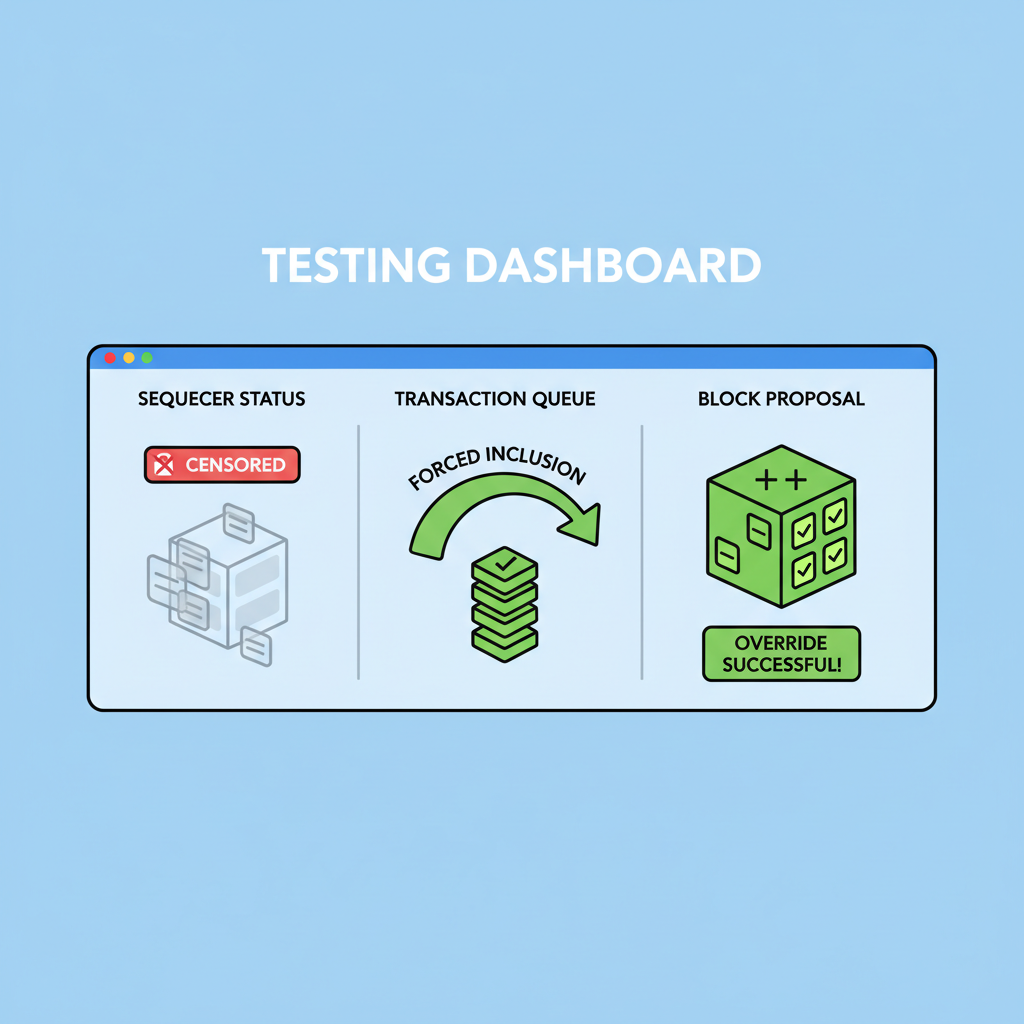
This blueprint empowers even solo devs to spin up anti-censorship sequencer protocols, fostering a proliferation of sovereign L2s. Early adopters report 2x faster batch proofs without L1 calldata spikes, per Syndicate’s Metabased rollups data. Cube Exchange emphasizes sequencers’ cross-domain role; Syndicate extends fairness to bridges, preventing ordering exploits in multi-chain flows.
Metrics of Superiority: Data-Driven Validation
Let’s quantify the leap. ChainScore Labs metrics peg traditional sequencers at 20-30% censorship vulnerability under stress; Syndicate’s proofs enforce 99% liveness, backed by onchain bonds. Simulations mirror Medium’s 40-60% gains but exceed them via programmable tweaks – apps can dial in 80% reductions for high-value txns. Arbitrum’s sequencer insights align: fast confirms persist, now with integrity baked in.
| Model | Censorship Risk | Fairness Score | Decentralization |
|---|---|---|---|
| Centralized | High (Selective inclusion) | Low (MEV bias) | None |
| Shared Pools | Medium (Coordination risks) | Medium | Partial |
| Syndicate Onchain | Low (Forced slots) | High (Custom rules) | Full (EVM verifiable) |
These figures, drawn from aggregated studies, underscore why onchain sequencers Syndicate leads the pack. Nansen’s Ethereum critique – centralized production amid decentralized validation – evaporates here, as ordering joins the trustless realm.
Visionaries see Syndicate as the sequencer evolution, scaling to L3s with Metabased constructs for true community ownership. Privacy advocates cheer unmanipulable txns; blockchain enthusiasts plot resilient nets against surveillance. As charts of privacy tokens rally on decentralization news, Syndicate plots the coordinates: transparent, fair, unbreakable. Rollups built this way don’t just scale Ethereum – they liberate it.