

Censorship-Resistant Stablecoin Apps Powering Black Market USDC Conversions in Bolivia 2026

In Bolivia’s volatile economy of 2026, where inflation lingers around historic highs and U. S. dollar shortages persist despite regulatory shifts, censorship-resistant stablecoin apps have become the quiet engines of survival. Small businesses and individuals navigate black market USDC conversions at premium rates, often concealed behind innocuous QR codes scanned via mobile wallets. This underground ecosystem thrives even after the Central Bank’s November 2025 decree integrating USDT and USDC into regulated banking, highlighting a deeper demand for tools that evade centralized oversight.

The allure stems from Bolivia’s chronic challenges: a boliviano undermined by depreciation, black market dollar premiums exceeding 20% in some periods, and limited access to formal dollar liquidity. Stablecoins promised stability, yet their centralized issuers introduce vulnerabilities. Reports from Reuters and Bloomberg underscore how locals flock to Binance and Tether as hedges, but forward-thinking users seek anti-censorship crypto wallets to sidestep freezes seen in places like Venezuela.
Bolivia’s Policy Pivot and Lingering Dollar Drought
The Central Bank’s 2025 integration marked a pragmatic turn. Savings accounts, loans, and credit cards now accept USDC and USDT, aiming to tame inflation and plug dollar gaps. Yet, as Faisal Khan notes on LinkedIn, structural issues like 6.5% inflation rates and economic instability persist. Black markets endure because official channels cap rates below street premiums, pushing savers toward peer-to-peer apps.
Multichain Bridged USDC on Fantom trades at a stark $0.0196, down from parity, with a 24-hour change of and $0.000670 ( and 0.0352%), high of $0.0200, and low of $0.0170. This depegging signals liquidity strains or arbitrage opportunities in emerging markets, where USDC black market Bolivia dynamics amplify discrepancies.
Chainalysis reports and Thunes analyses reveal emerging markets leading digital payments revolutions via stablecoins. In Bolivia, businesses from street vendors to exporters convert bolivianos to USDC off-grid, preserving value against a currency many disdain.
QR Code Apps: Gateways to Black Market Resilience
These apps exemplify crypto emerging markets resistance. Users scan QR codes at informal exchanges, instantly swapping local fiat for USDC at black market rates, often 5-10% above official. Platforms layer transactions across chains like Fantom for obfuscation, integrating censorship-resistant protocols that prioritize privacy over compliance.
Efi Pylarinou’s Medium piece captures this: digital black markets resist full government control, capped by natural premiums. In Bolivia, where Reuters reports crypto’s foothold among small businesses, such apps bridge regulated and rogue economies. The Flip Africa dispatch from visits paints vivid scenes: vendors surviving on stablecoins post-decriminalization.
Multichain Bridged USDC (Fantom) Price Prediction 2027-2032
Forecast from current $0.0196 (Feb 2026), short-term target $0.025 amid Bolivia black market demand; factoring depegging risks, adoption, and market cycles
| Year | Minimum Price | Average Price | Maximum Price | YoY % Change (Avg) |
|---|---|---|---|---|
| 2027 | $0.012 | $0.025 | $0.040 | +25% |
| 2028 | $0.015 | $0.035 | $0.065 | +40% |
| 2029 | $0.018 | $0.052 | $0.110 | +49% |
| 2030 | $0.025 | $0.078 | $0.180 | +50% |
| 2031 | $0.035 | $0.112 | $0.250 | +44% |
| 2032 | $0.050 | $0.168 | $0.400 | +50% |
Price Prediction Summary
Multichain Bridged USDC (Fantom) is expected to experience gradual recovery from depegged levels, driven by Bolivia’s black market conversions and emerging market stablecoin adoption. Average prices projected to rise progressively to $0.168 by 2032 in base case, with bullish maxima reflecting peg recovery potential during crypto bull cycles, while minima account for depegging and regulatory risks.
Key Factors Affecting USD Coin Price
- Bolivia’s 2025 stablecoin banking integration boosting demand
- Black market USDC conversions via censorship-resistant apps
- Persistent high inflation (25%+) and USD shortages in Bolivia
- Depegging risks and potential asset freezes by centralized issuers
- Fantom chain adoption, bridge security, and DeFi liquidity
- Global crypto market cycles and stablecoin competition (e.g., USDT)
- Evolving regulations in emerging markets
Disclaimer: Cryptocurrency price predictions are speculative and based on current market analysis.
Actual prices may vary significantly due to market volatility, regulatory changes, and other factors.
Always do your own research before making investment decisions.
Cautiously, this innovation carries hazards. Bloomberg warns of shaky stablecoin reserves, while Alliance for Financial Inclusion debates regulation’s double edge. AInvest hails Bolivia’s shift, but centralized issuers like Circle retain freeze powers, eroding trust in high-stakes environments.
Censorship Risks Undermine Official Stablecoin Hopes
Despite integration, parallels to Venezuela loom large. Coinw. com details how USDT and USDC complied with freezes abroad, prompting Bolivians to favor stablecoin QR code apps built on decentralized rails. These tools employ mixers, cross-chain bridges, and privacy coins, ensuring transactions evade surveillance.
Data from 2024 Chainalysis previews suggests crime reports spotlight such adaptations, yet everyday users drive volume. Public Key podcast episodes reinforce: stablecoins transform payments, but only censorship-resistant variants deliver true sovereignty in surveilled realms.
Forward-looking investors eye protocols like those on Fantom, where Multichain Bridged USDC lingers at $0.0196, reflecting the push-pull of demand and depegging pressures. This price point, with its 24-hour gain of $0.000670 or 0.0352%, underscores how USDC black market Bolivia trades exploit inefficiencies, trading at premiums that official integrations fail to match.
Decentralized Protocols Fueling Underground Conversions
At the core of this resilience lie censorship resistant stablecoins layered with zero-knowledge proofs and layer-2 scaling. Apps leverage bridges to Fantom or other low-cost chains, masking USDC flows in liquidity pools that resist single points of failure. Unlike Tether’s compliance-heavy model, these setups prioritize atomic swaps and privacy mixers, allowing users to convert bolivianos to USDC without KYC hurdles. Small exporters, facing dollar droughts, scan QR codes at pop-up markets, securing funds at rates 10-15% above bank offerings. This isn’t mere speculation; it’s a calculated hedge, backed by Reuters observations of crypto’s grassroots adoption.
Key Censorship-Resistant Features
-

QR Code Anonymity: Enables peer-to-peer USDC transfers via scannable codes, concealing user identities and facilitating black market conversions without KYC.
-

Cross-Chain Bridges (Fantom): Multichain Bridged USDC on Fantom trades at $0.0196 (+3.52% 24h), allowing evasion of centralized chain restrictions amid Bolivia’s dollar shortages.
-

Mixer Integration: Privacy protocols like Railgun obfuscate USDC transaction histories using zero-knowledge proofs, enhancing resistance to asset freezes seen in cases like Venezuela.
-
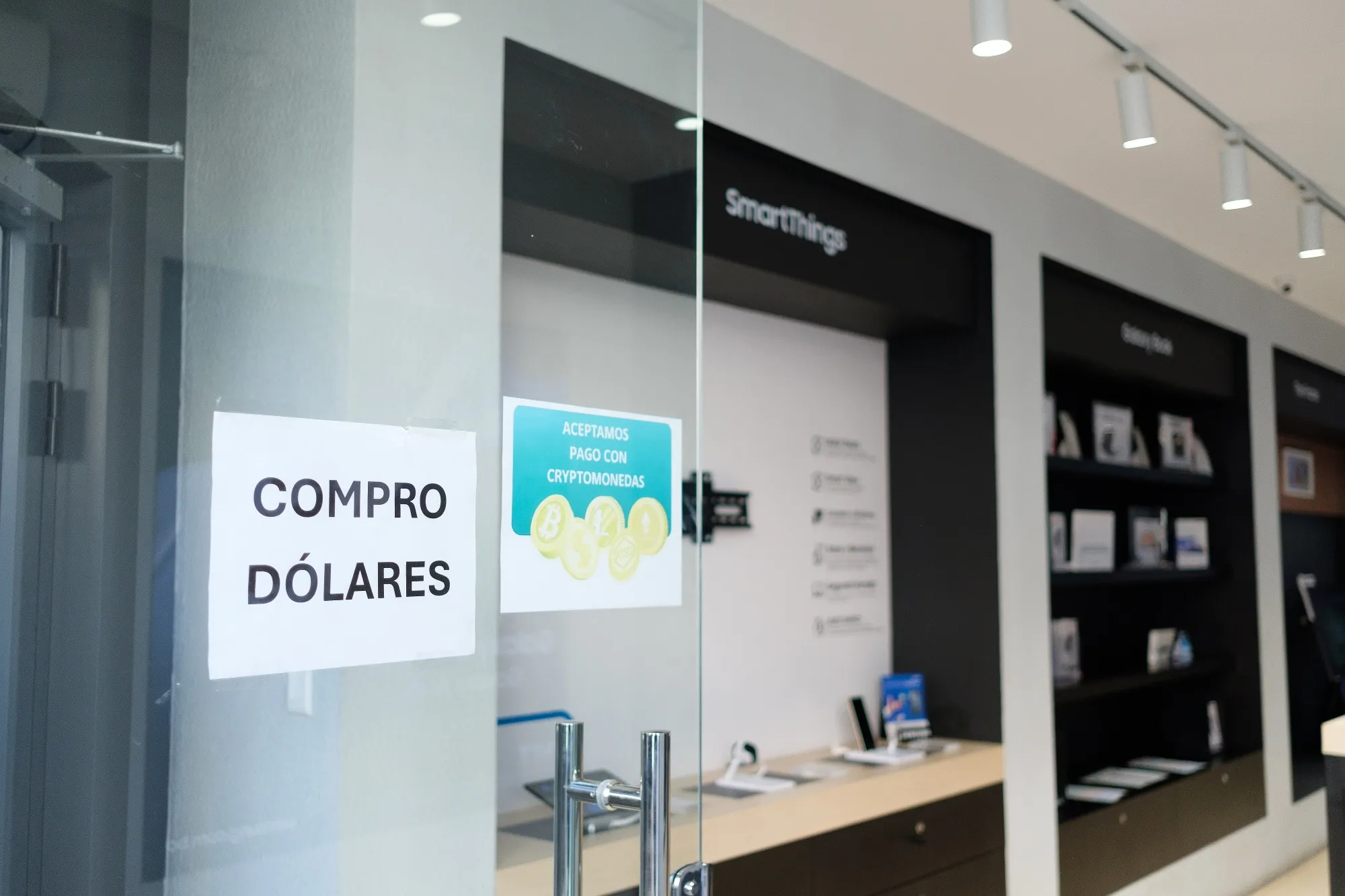
Black Market Rate Premiums: USDC trades at premiums due to Bolivia’s chronic USD scarcity and ~25% inflation, providing hedges via decentralized apps despite regulatory integration of stablecoins.
-

Privacy-Focused Wallets: Non-custodial options like Trust Wallet and MetaMask support multi-chain USDC storage and QR scans, tailored for Bolivia users seeking censorship resistance.
Yet caution tempers optimism. The Alliance for Financial Inclusion flags regulatory tightening on stablecoin issuers, potentially spilling into emerging markets. If Circle exerts freeze controls on USDC amid geopolitical tensions, Bolivian users could face the same pitfalls as Venezuelan traders. Chainalysis data, even in previews, hints at heightened scrutiny on peer-to-peer volumes, where everyday transactions blur with illicit flows. At $0.0196, Multichain USDC’s volatility, hitting $0.0200 highs and $0.0170 lows in 24 hours, mirrors these tensions, a barometer for trust erosion.
Risks vs. Rewards: A Balanced Ledger
Crypto emerging markets resistance shines here, but not without shadows. Thunes highlights stablecoins’ transformative role in digital payments, yet Bloomberg’s caveats on reserve shakiness linger. In Bolivia, where inflation once hit 25%, these apps offer a lifeline, but depegging risks amplify losses. Imagine a vendor locking in USDC at black market premiums, only for the asset to dip to $0.0170 amid liquidity crunches. Faisal Khan’s analysis nails it: dollar shortages breed instability, solvable partly by infrastructure, but demanding robust risk management.
Opinionated take: true durability demands hybrid approaches. Pair regulated integrations with decentralized overlays, ensuring anti-censorship crypto wallets Bolivia users wield. Efi Pylarinou’s insight on enforcement-resistant markets rings true; premiums self-regulate, but overreach invites crackdowns. AInvest’s optimism on policy shifts feels premature without addressing issuer centralization.
Looking ahead to late 2026, expect maturation. As Multichain Bridged USDC stabilizes around $0.0196 or climbs toward parity with bolstered demand, apps will evolve with AI-driven obfuscation and oracle feeds for real-time premiums. Small businesses, per The Flip Africa, already thrive post-decriminalization; scaling this requires community governance over issuer whims. Public Key discussions affirm: crypto crime reports evolve, but user-driven adoption outpaces them.
Ultimately, Bolivia exemplifies why stablecoin QR code apps matter. They don’t just power conversions; they fortify economic agency in dollar-starved terrains. Investors, proceed with data: monitor Chainalysis updates, track Fantom liquidity, and bet on protocols outlasting policy whims. In this arena, censorship resistance isn’t a feature, it’s the foundation.