
Programmable Onchain Sequencers: Overcoming Centralized Censorship Risks in Blockchain Rollups 2026

In the fast-evolving world of blockchain rollups by 2026, centralized sequencers stand as a glaring vulnerability. These components, tasked with ordering transactions before bundling them off to layer-1 for settlement, have long promised scalability but at the cost of control. A single operator can censor transactions, prioritize allies, or succumb to regulatory pressure, undermining the very ethos of decentralization. As rollups proliferate across Ethereum and beyond, the push for programmable onchain sequencers emerges as a beacon, blending custom logic with censorship resistance to fortify appchains and shared networks.

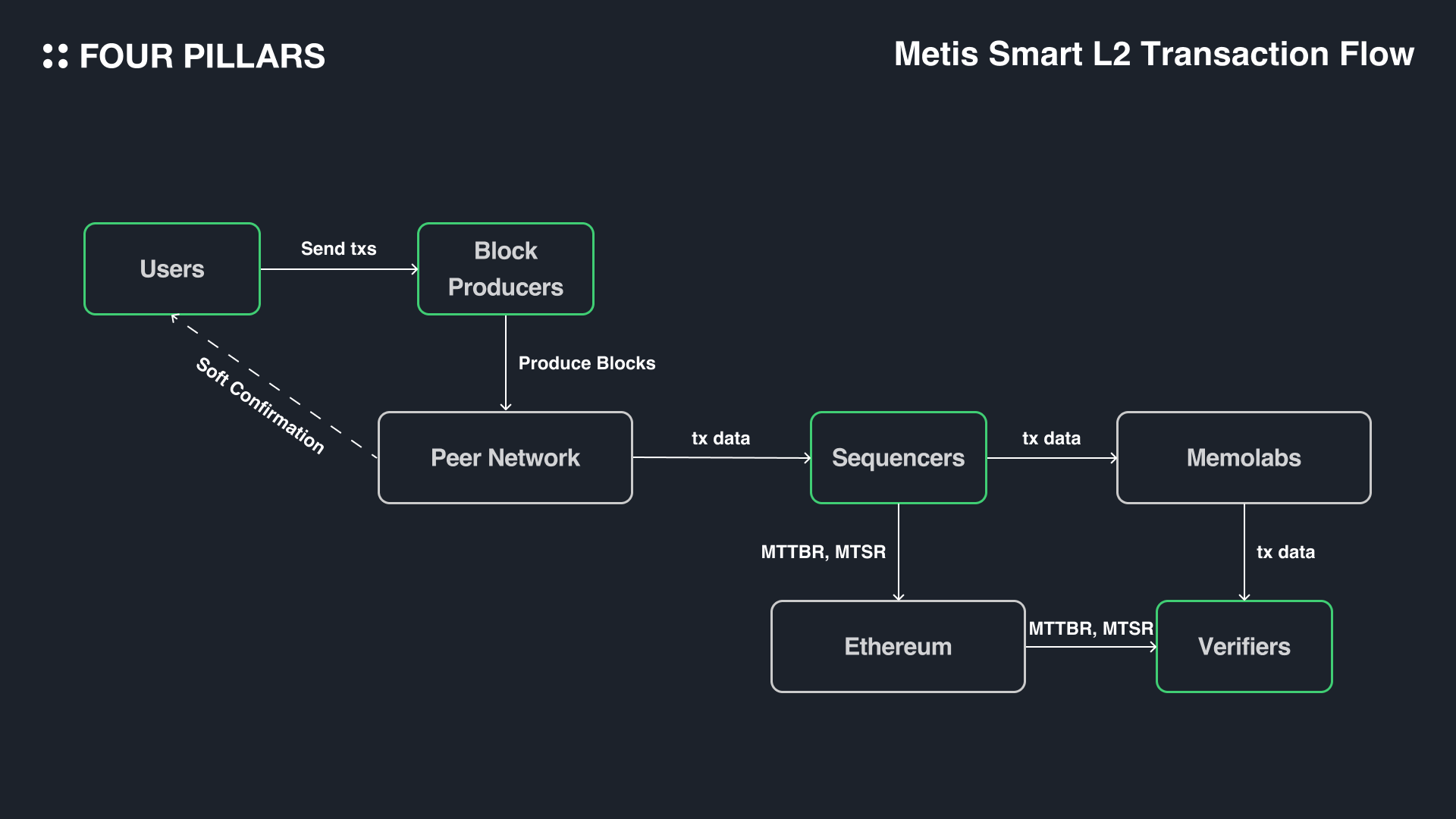
Rollups like Arbitrum rely on sequencers to efficiently collect, order, and execute user transactions off-chain while posting proofs or data to the base layer. This setup boosts throughput dramatically, but when one entity runs the sequencer, it becomes a chokepoint. Projects face downtime risks, MEV extraction favoritism, and outright censorship, as seen in cases where validators delay or exclude transactions deemed problematic.
Why Centralized Sequencers Fall Short in a Decentralized World
Centralized sequencers excel in speed and low latency, yet they inherit few of the base layer’s safeguards. Without distributed nodes proposing blocks, a rogue operator can sandwich trades, front-run users, or block dissident activity. Sources like Liberty Street Economics highlight how even “decentralized” systems bend under ecosystem pressures, from stablecoin issuers to infrastructure providers. In rollups, this manifests as selective inclusion, eroding trust and stalling mainstream adoption.
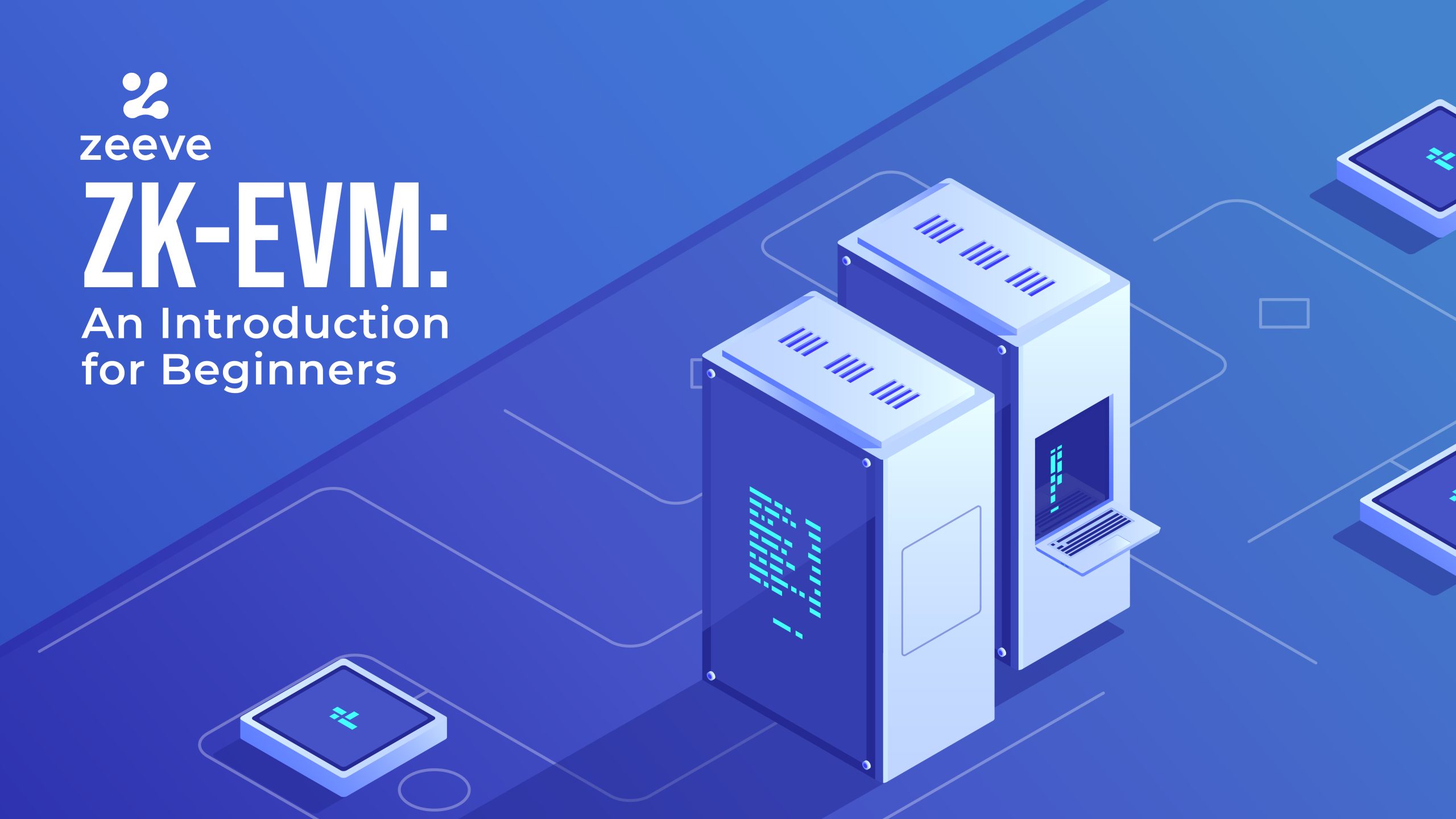
Decentralization of the sequencer directly tackles these issues. By spreading authority across a network of nodes, transaction progression relies on collective consensus rather than fiat. Astria, built atop Celestia, exemplifies this with its decentralized sequencer, verifying and ordering transactions without a central authority. Similarly, shared sequencing models from Zeeve and Maven 11 distribute load while preserving performance, security, and cost efficiency.
Key Advantages of Onchain Sequencers
-
Custom Logic for Appchains: Enables appchains to deploy tailored smart contract logic for sequencing, optimizing performance and functionality per application, per Syndicate.io insights.
-

Reduced MEV Risks: Onchain mechanisms like encrypted mempools and fair ordering minimize MEV extraction, such as sandwich attacks, enhancing transaction fairness.
-
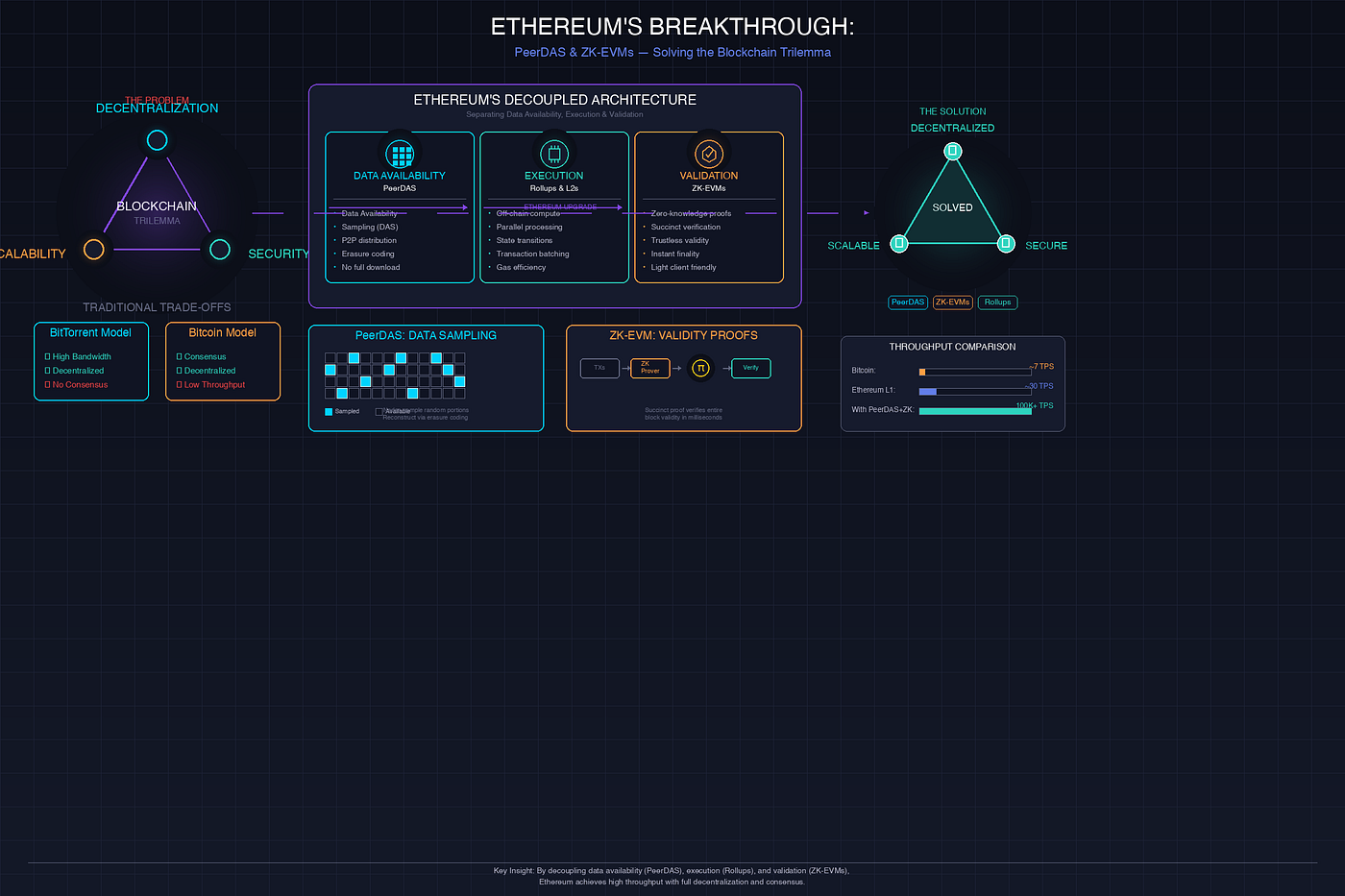
Enhanced Liveness: Leverages base layer decentralization for continuous operation, even if nodes fail, improving reliability over centralized setups.
Unpacking Censorship Resistance in Sequencer Design
Censorship resistant sequencers prioritize including valid transactions without scrutiny, echoing blockchain’s core paradigm. Conventional setups invite meddling, as Paul Veradittakit notes in VeradiVerdict, where central authorities orchestrate exclusions. Decentralized alternatives flip the script: nodes compete or collaborate to propose fair orderings, inheriting liveness from the base layer while adding sequencer-level protections.
Metis. io underscores how sequencer decentralization enables network-driven progression, minimizing single-point failures. Yet, challenges persist. arXiv research on sequencer security advocates for valid transaction inclusion sans bias, but real-world pressures test these ideals. In 2026, innovations like encrypted mempools from Radius blind sequencers to transaction contents, thwarting censorship and sandwich attacks before they commit to ordering.

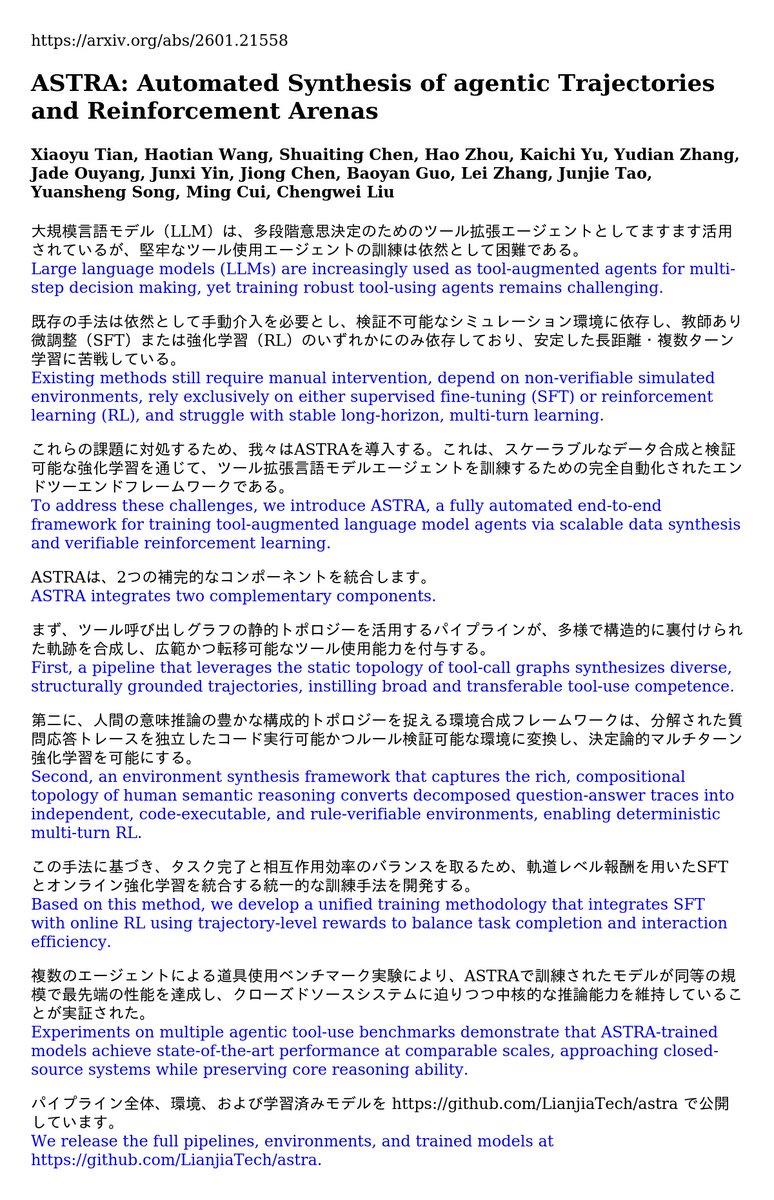
大規模言語モデル(LLM)は、多段階意思決定のためのツール拡張エージェントとしてますます活用されているが、堅牢なツール使用エージェントの訓練は依然として困難である。既存の手法は依然として手動介入を必要とし、検証不可能なシミュレーション環境に依存し… https://t.co/QBAQY4pgja
Hybrid models bridge the gap. Cero’s approach marries centralized efficiency with decentralized security, letting rollups tap a network of sequencers for balanced trustlessness. Trusted Execution Environments (TEEs) secure operations, though centralized attestation poses risks; emerging decentralized variants promise fuller resilience, per recent arXiv papers.
Appchains and Shared Sequencers Pave the Way
Appchains shine here, leveraging programmable onchain sequencers to solve fragmentation and centralization woes, as Syndicate. io explains. These sovereign chains customize sequencing logic on-chain, embedding rules for fair ordering, cross-chain messaging, and anti-censorship measures. Shared sequencers extend this to rollups, enabling interoperability without sovereignty loss.
Based rollups delegate to Ethereum L1 validators, borrowing proven decentralization for sequencing. This “based sequencing” boosts censorship resistance and atomic cross-rollup trades, aligning with OP Stack ecosystems. Zeeve posits shared sequencers as ideal: decentralization sans performance hits. For developers, this means building resilient apps with tools like Astria, where momentum favors freedom-focused protocols.
These strides transform rollups from scalability hacks into robust, uncensorable systems. Programmable logic on-chain allows sequencers to enforce policies dynamically, from MEV auctions to privacy-preserving ordering, all while resisting external control.
Developers building on these foundations gain unprecedented control. Imagine scripting sequencers to auction MEV fairly or route transactions through privacy tunnels automatically. This programmability turns rollups into fortresses, where appchains thrive without fearing the censor’s blade.
Comparison of Sequencer Models
| Model | Pros | Cons | Censorship Resistance | Key Projects |
|---|---|---|---|---|
| Centralized | High speed and efficiency ✅ | Censorship risk, single point of failure ❌ | Low | Traditional rollups (e.g., Arbitrum) |
| Decentralized | Distributed nodes, eliminates single points of failure ✅ | Potentially lower speed and higher complexity ❌ | High | Astria |
| Shared | Balanced performance, security, and cost without decentralization trade-offs ✅ | Coordination challenges among participants ❌ | Medium-High | Zeeve |
| Hybrid | Centralized efficiency combined with decentralized trustlessness ✅ | Implementation complexity ❌ | High | Cero |
Navigating the Road to Full Decentralization
Yet, the journey isn’t seamless. Decentralized sequencers demand robust incentives to keep nodes honest, lest collusion creeps in. Projects like Astria counter this with staking and slashing mechanisms, ensuring participants stake tokens against malicious ordering. Their Celestia integration offloads data availability, letting sequencers focus on pure sequencing muscle.
Shared sequencers offer a pragmatic ramp. By pooling resources across rollups, they slash costs while injecting competition. No longer does each chain bear the sequencer burden alone; instead, a neutral network handles ordering, inheriting base-layer liveness. This model shines in OP Stack ecosystems, fostering atomic cross-rollup trades that feel native. Explore how shared sequencers unify OP Stack rollups.
Based sequencing takes a bolder swing, outsourcing to Ethereum’s validators. It’s elegantly simple: L1 proposes the order, rollups execute it. Censorship? Near impossible without corrupting Ethereum itself. Interoperability surges as rollups share a common ordering layer, smoothing bridges and messages. For appchains eyeing mainstream web3, this momentum proves irresistible.
TEEs and encrypted mempools add layers of intrigue. TEEs shield sensitive computations, but as arXiv notes, attestation centralization bites back. Decentralized challengers, where nodes vouch for each other’s enclaves, edge closer to viability. Radius’s mempools go further, encrypting payloads so sequencers commit blindly, nuking sandwich bots and prying eyes.
These tools aren’t academic; they’re battle-tested. In 2026, rollups wielding decentralized sequencer protocols report 99.9% uptime, dwarfing centralized hiccups. MEV democratizes, fairness prevails, and cross-domain ordering becomes predictable. Syndicate. io nails it: appchains with programmable onchain sequencers crack web3’s mass appeal by solving real pains like fragmentation and trust.
Building the Uncensorable Future
Privacy advocates and freedom fighters, take note. Censorship resistant sequencers aren’t just tech upgrades; they’re sovereignty shields. Picture DeFi apps dodging regulatory freezes, social platforms hosting unfiltered speech, all sequenced on-chain with ironclad rules. Custom appchains embed this natively, letting builders dictate terms. See programmable sequencers reshape appchains.
Challenges linger, sure. Bootstrapping node networks requires liquidity, and performance tuning demands craft. But the trajectory bends toward resilience. Hybrid paths like Cero buy time, while pure plays like Astria set the pace. Ethereum’s validator set anchors based rollups, proving decentralization scales.
For swing traders like me, eyeing privacy protocols, this space pulses with momentum. Protocols enforcing disciplined, fair sequencing capture outsized gains as adoption swells. Developers, grab these anti-censorship tools; deploy resilient apps that withstand storms. The swing toward freedom rewards the prepared.
Rollups evolve from fragile experiments to unbreakable backbones. Programmable onchain sequencers lead the charge, marrying custom logic with distributed might. In this surveilled digital realm, they empower us to sequence our own destiny, transaction by uncensorable transaction.