

Censorship-Resistant Onchain Sequencers for Ethereum Rollups: Build Decentralized Sequencing in 2026

As Ethereum trades at $2,030.81, down 4.48% over the last 24 hours, the network’s Layer 2 rollups face a pivotal moment in 2026. Centralized sequencers, once a pragmatic shortcut for scalability, now pose tangible risks to censorship resistant sequencing. Investors like myself, with an eye on long-term data sovereignty, see this as a conservative bet: decentralizing onchain sequencers Ethereum rollups will fortify portfolios against regulatory overreach and single-point failures.

Rollups have scaled Ethereum effectively, but their sequencers – the entities ordering transactions off-chain – remain bottlenecks. A single operator can delay or exclude trades, echoing vulnerabilities in traditional BFT consensus where leaders censor inputs, as noted in recent arXiv research on Prefix Consensus. Arbitrum’s sequencer model underscores this: efficient, yet permissioned at its core. In a surveilled world, such centralization undermines the permissionless ethos Ethereum champions.
Why Censorship Resistance Defines Rollup Maturity
Blockchain censorship resistance 2026 isn’t abstract; it’s a market imperative. With ETH at $2,030.81, rollups process billions in volume daily, yet sequencer liveness faults or deliberate exclusions could trigger cascading losses. ChainSafe’s analysis highlights how Ethereum’s base layer resists censorship through miner competition, but L2s inherit only partial protections. Polynya’s brainstorming on sequencer sets – even a dozen nodes – creates strong disincentives for malice, shifting from single-leader risks to distributed accountability.
In a rollup, the sequencer set demands censorship resistance or liveness, much inherited from the base layer.
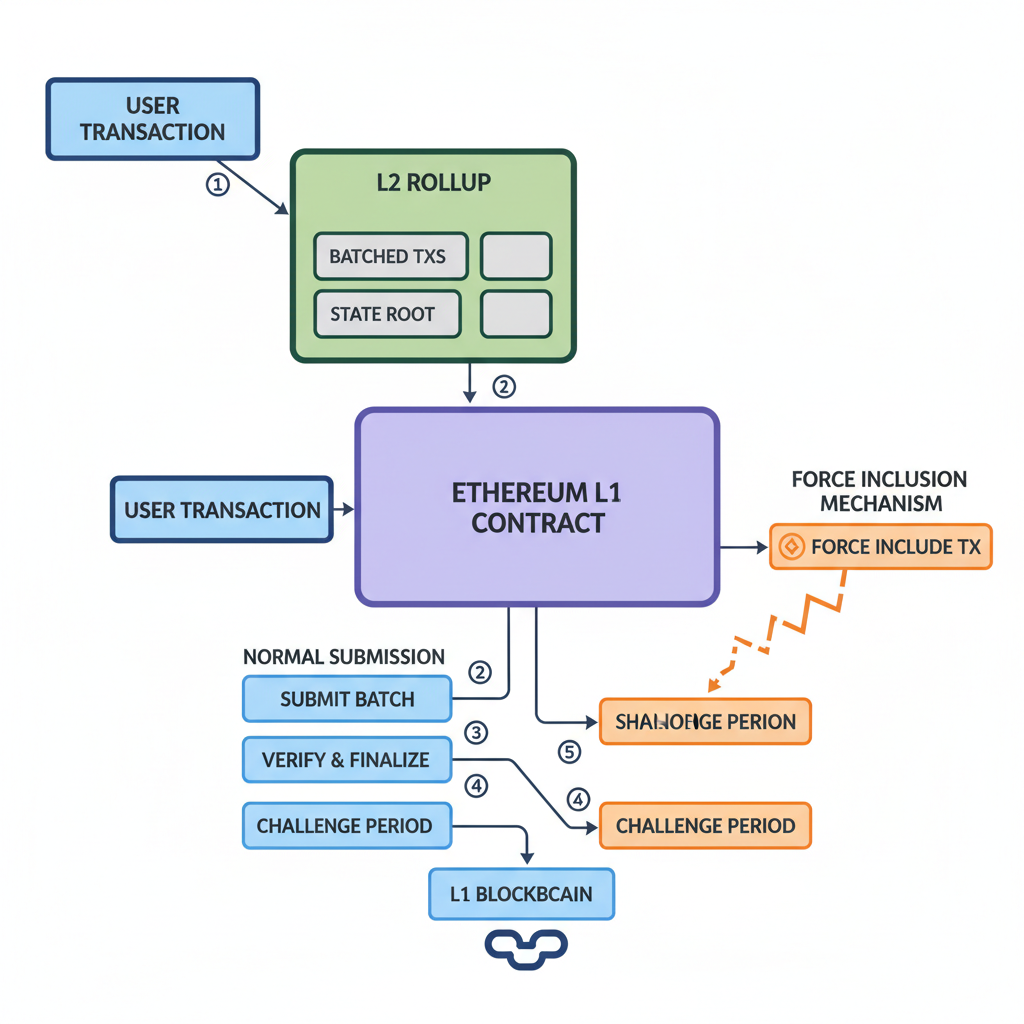
Gate. com’s Rollup 2.0 critique nails it: while rollups are Ethereum’s scaling signature, their centralized attributes persist. Force inclusion mechanisms offer a backstop, letting users bypass sequencers by posting directly to L1 contracts. This leverages Ethereum’s robustness, ensuring no transaction vanishes into a void.

Shared Sequencers: Unifying Rollups Against Fragmentation
Enter decentralized rollup sequencers, with shared sequencers leading the charge. Projects like Espresso Systems, Astria, Movement Labs’ M1, and Rome Protocol deliver neutral ordering, enabling atomic cross-rollup transactions and synchronous states. This isn’t hype; it’s infrastructure maturing for cross-chain seamlessness, as detailed in analyses of Ethereum’s evolving L2 landscape. By pooling sequencing, these networks slash MEV harms and boost programmable sequencers rollups flexibility.
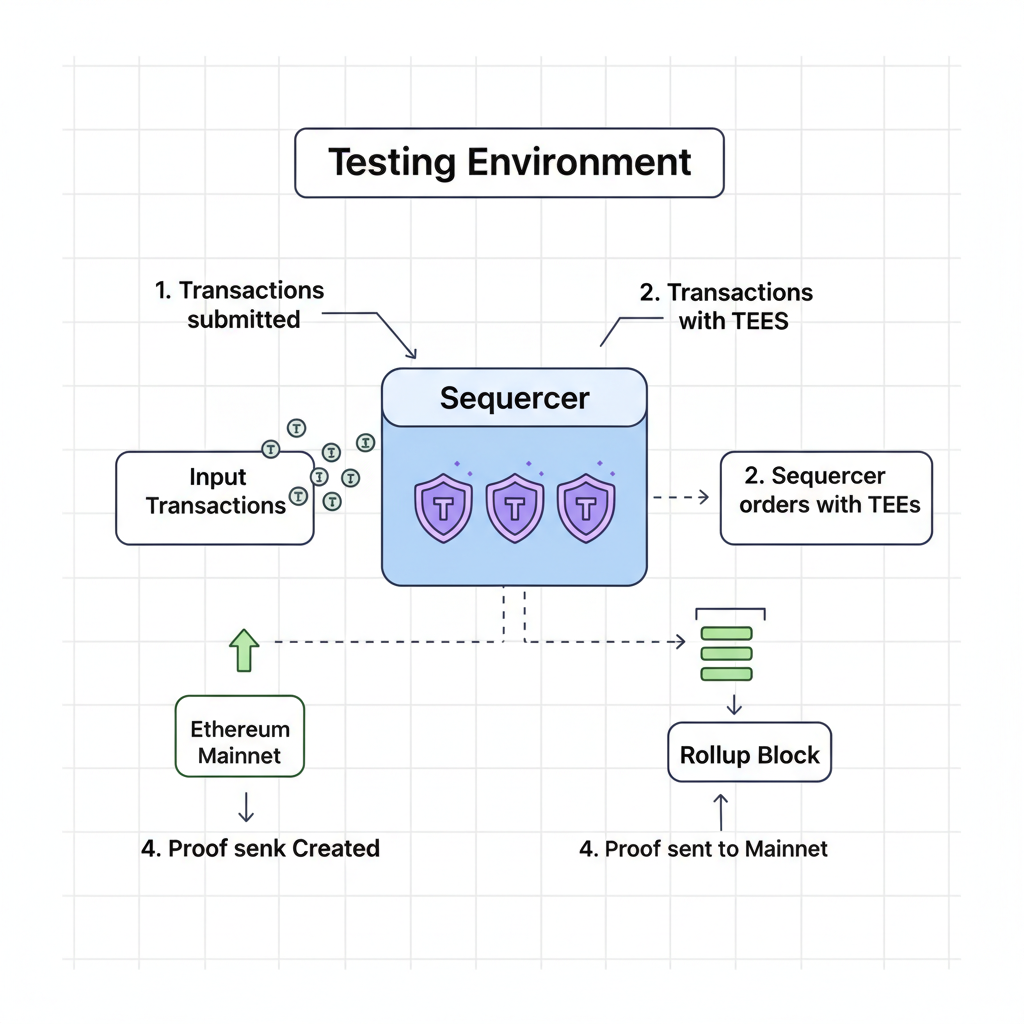
Radius exemplifies trustless design via encrypted mempools: sequencers see commitments, not contents, neutralizing malicious exclusion. Binance Research underscores how this decentralizes without performance trade-offs. Meanwhile, TEERollup deploys Trusted Execution Environments across heterogeneous nodes, tolerating compromises while slashing gas and delays – a pragmatic evolution for conservative builders.
Shared sequencers unify Ethereum rollups, per forward-looking guides, promising resilience as ETH holds $2,030.81 amid volatility.
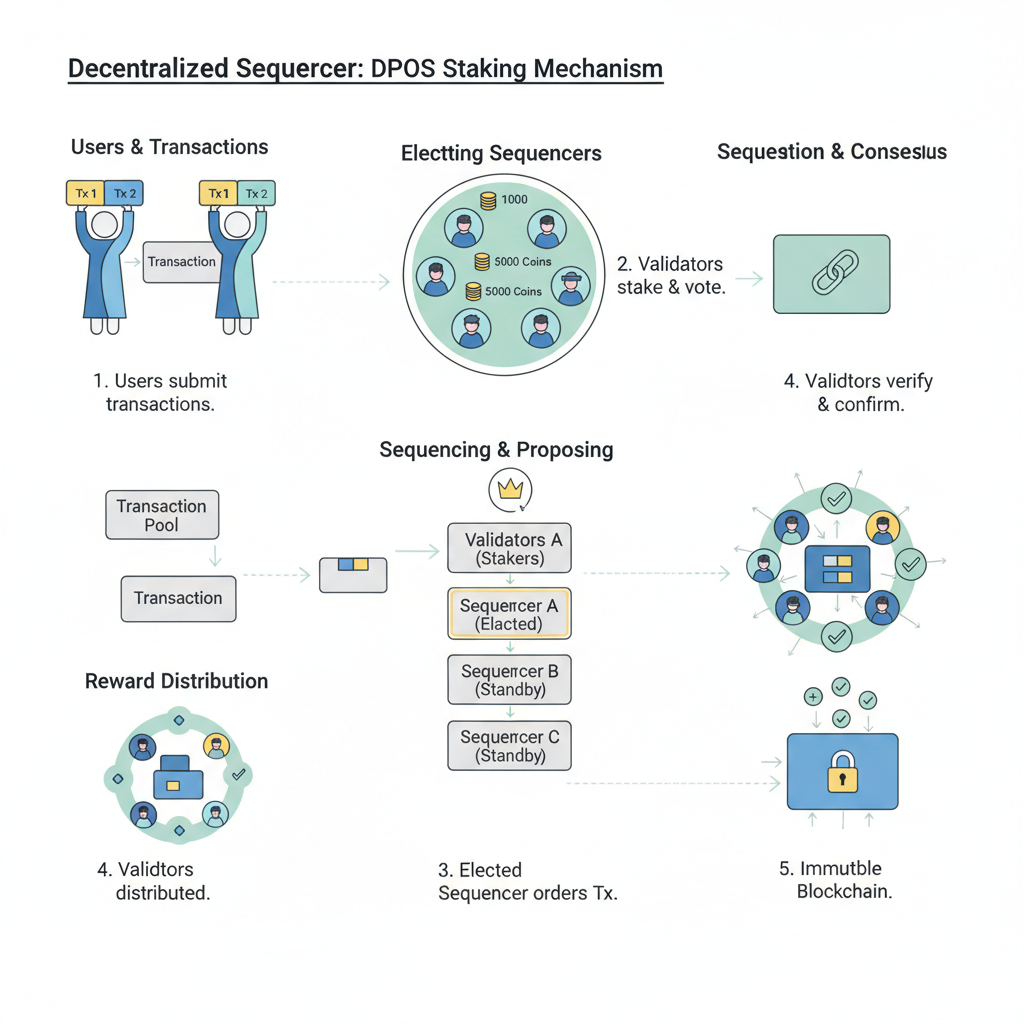
Syndicate’s Smart Rollups with Smart Sequencers push programmability further, embedding logic directly into ordering. DPoS variants, from academic papers, delegate staking for efficient consensus. ChainScore Labs defines it crisply: L2 censorship resistance means inclusion despite primary sequencer refusal.
Ethereum (ETH) Price Prediction 2027-2032
Forecast factoring in decentralized sequencer adoption, censorship-resistant onchain sequencers, L2 growth, and Ethereum ecosystem advancements from 2026 baseline ($2,031)
| Year | Minimum Price | Average Price | Maximum Price | YoY % Change (Avg from Prior Year) |
|---|---|---|---|---|
| 2027 | $2,500 | $4,500 | $9,000 | +122% |
| 2028 | $3,500 | $7,000 | $15,000 | +56% |
| 2029 | $5,000 | $11,000 | $22,000 | +57% |
| 2030 | $7,000 | $16,000 | $32,000 | +45% |
| 2031 | $10,000 | $23,000 | $45,000 | +44% |
| 2032 | $14,000 | $33,000 | $65,000 | +43% |
Price Prediction Summary
Ethereum’s price is expected to experience robust growth from 2027 to 2032, propelled by decentralized sequencing solutions, shared sequencers, and enhanced L2 scalability reducing censorship risks. Average prices could climb from $4,500 to $33,000, with bullish maxima up to $65,000 amid adoption cycles, while minima reflect bearish corrections. Projections account for market cycles, regulatory progress, and technological upgrades.
Key Factors Affecting Ethereum Price
- Decentralized and shared sequencers (e.g., Radius, Espresso, Astria) improving censorship resistance and cross-rollup efficiency
- L2 rollup expansion with TEEs and force inclusion mechanisms boosting scalability and security
- Market cycles aligned with broader crypto bull runs and Ethereum’s post-2026 upgrades
- Regulatory developments favoring decentralized infrastructure and institutional inflows
- Competition from alternative L1s, macroeconomic factors, and ETH supply dynamics influencing market cap growth to $2T-$4T+
Disclaimer: Cryptocurrency price predictions are speculative and based on current market analysis.
Actual prices may vary significantly due to market volatility, regulatory changes, and other factors.
Always do your own research before making investment decisions.
Prefix Consensus and BFT Upgrades for Onchain Resilience
arXiv’s Prefix Consensus addresses BFT’s core flaw: leaders excluding honest inputs. Their single-shot protocol ensures agreed outputs include all, a blueprint for onchain sequencers Ethereum. Maven 11 echoes the sequencer set’s primacy, blending liveness with base-layer guarantees. For developers eyeing 2026 builds, this means hybrid models: combine shared pools with prefix guarantees for ironclad resistance.
Hybrid approaches like these align with sustainability over speculation, fortifying decentralized rollup sequencers against 2026’s regulatory headwinds. As ETH lingers at $2,030.81 following a 24-hour dip to a low of $2,014.53, rollup volumes underscore the urgency: billions flow through L2s daily, demanding sequencer sets that inherit Ethereum’s liveness while exceeding its censorship thresholds.
Key Decentralized Sequencer Projects
-

Radius: Develops trustless shared sequencing with encrypted mempools to prevent censorship and minimize MEV.
-
Espresso Systems: Delivers shared sequencing for Ethereum rollups, enabling unified cross-chain execution and censorship resistance.
-

Astria: Advances cross-rollup unification via shared sequencers for seamless interoperability and neutral ordering.
-

TEERollup: Employs TEE-based resilience with distributed sequencers in Trusted Execution Environments for secure, efficient processing.
-
Movement Labs M1: Provides neutral ordering through a shared sequencer network, enhancing censorship resistance across rollups.
Force inclusion remains a vital fallback, empowering users to embed transactions in L1 contracts when sequencers falter. This mechanism, rooted in Ethereum’s core strengths, ensures no honest input is lost, complementing advanced consensus like Prefix for true blockchain censorship resistance 2026.
Practical Steps to Deploy Onchain Sequencers
For developers and privacy advocates building in 2026, transitioning to programmable sequencers rollups demands deliberate architecture. Start with shared sequencer networks to unify fragmented rollups, then layer in encryption and TEEs for confidentiality. These tools, from Radius’s mempool innovations to TEERollup’s distributed nodes, tolerate faults without sacrificing throughput. Conservative deployment prioritizes staking incentives via DPoS, as explored in peer-reviewed sequencer decentralization, ensuring operators align with network health over short-term gains.
Deploy Censorship-Resistant Onchain Sequencers for Ethereum Rollups
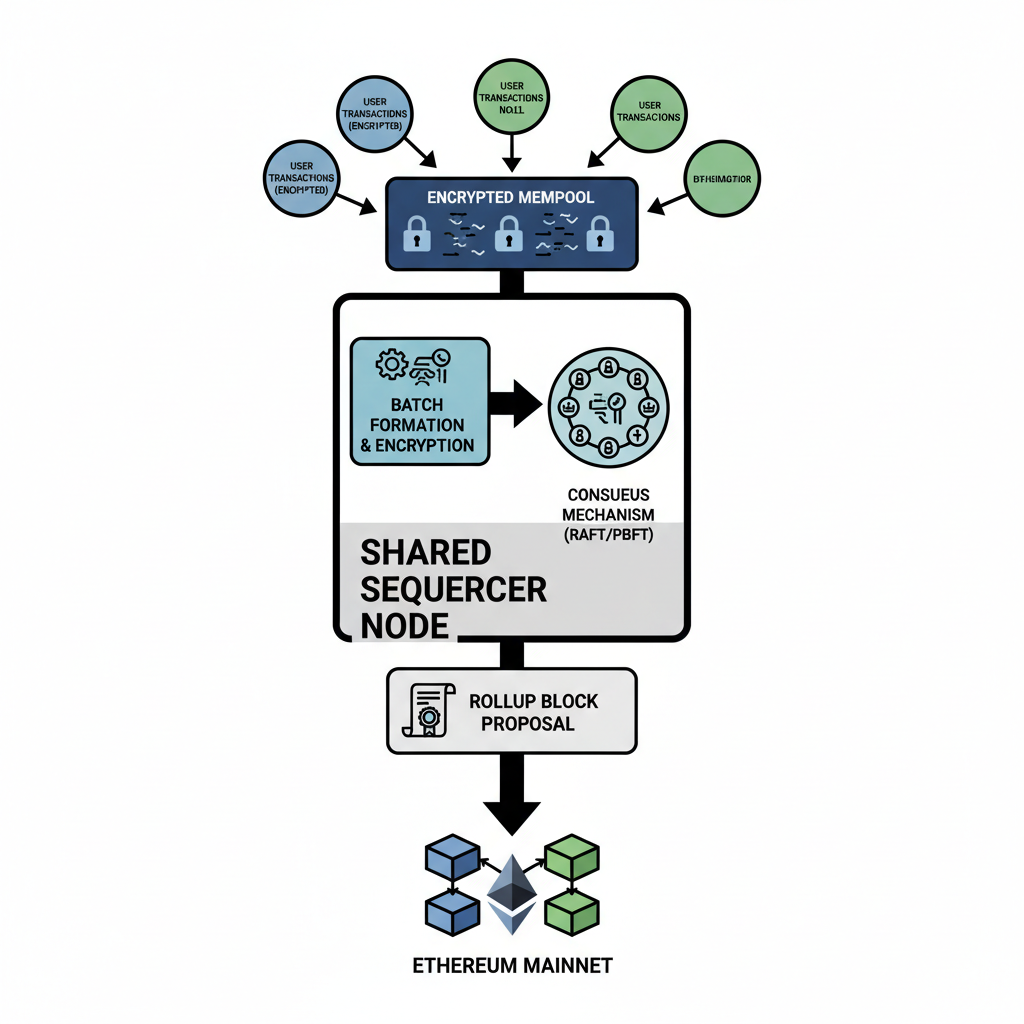
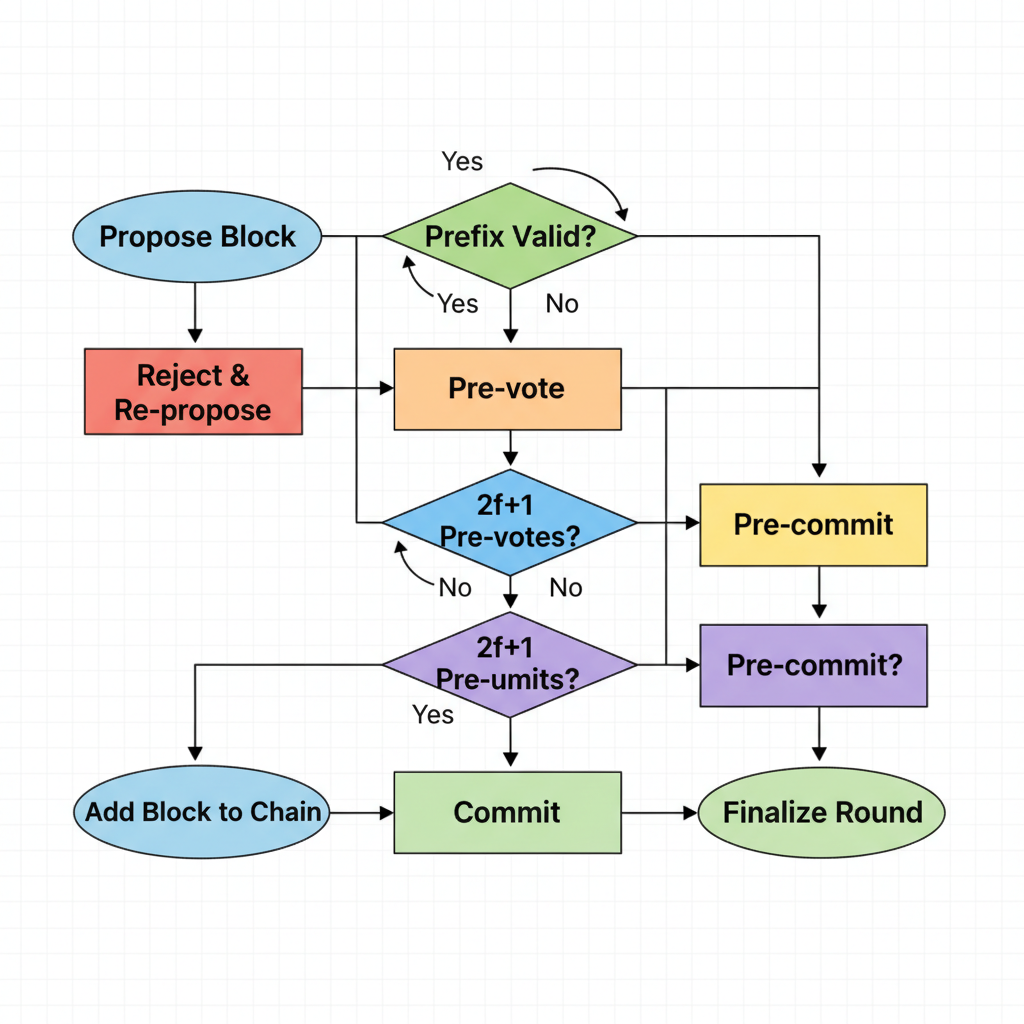
Such builds not only mitigate MEV extraction but foster atomic cross-chain execution, vital as Ethereum’s L2 ecosystem matures. With ETH at $2,030.81, projects adopting these see premium valuations, rewarding early integrators who prioritize data integrity.
Investment Angle: Sequencers as Portfolio Anchors
From my vantage managing endowments, censorship resistant sequencing represents a macro trend defying centralization. Rollups with decentralized sequencers – think Espresso’s neutral layers or Astria’s interoperability – inherit Ethereum’s permissionless spirit fully, slashing risks from operator downtime or exclusion. Binance Research details how encrypted designs neutralize malice, while arXiv protocols provide theoretical rigor. As of February 2026, these initiatives counter centralization’s pitfalls, from single failures to regulatory chokepoints.
Shared sequencers unify rollups, enabling seamless states across chains and curbing fragmentation’s costs. TEERollup’s heterogeneous TEE network withstands compromises, delivering low-gas proofs with short withdrawals – ideal for conservative scaling. Movement Labs’ M1 and Rome Protocol extend this, baking in synchronous visibility. Developers gain roadmaps for trustless resilience, as sequenced in forward guides on rollup evolution.
Decentralized sequencer roadmaps outline paths to full maturity, blending consensus upgrades with practical incentives. Pair this with force inclusion, and L2s mirror Ethereum’s base-layer robustness: open, resilient, uncensorable.
Stake in these networks yields sustainable yields, outperforming speculative plays amid ETH’s $2,030.81 consolidation. For freedom fighters and blockchain enthusiasts, 2026’s onchain sequencers cement data sovereignty, ensuring transactions flow freely in surveilled domains. Portfolios anchored here weather volatility, as decentralization proves its enduring value.