

In an era where centralized entities increasingly threaten blockchain autonomy, prefix consensus emerges as a pivotal advancement for censorship resistant BFT systems. Aptos Labs has unveiled this protocol through their recent research paper, addressing a critical weakness in traditional Byzantine Fault Tolerant consensus: leader-driven censorship. With Aptos (APT) trading at $0.9337, down -0.0101% over the last 24 hours from a high of $0.9602 and low of $0.9194, the timing feels prescient. Investors and developers alike should scrutinize this innovation, as it promises robust defenses without sacrificing performance.
Leader Censorship: The Achilles Heel of Conventional BFT
Byzantine Fault Tolerant protocols power many high-profile blockchains, yet they harbor a subtle flaw. In leader-based designs, the designated proposer holds outsized influence, capable of selectively omitting transactions from the mempool. This vulnerability manifests as transaction censorship, where influential validators suppress dissenting or high-fee bids, undermining decentralized transaction freedom. Recent formal analyses, including those cited in Aptos Labs' work, quantify this risk: under single-shot consensus, malicious leaders can indefinitely delay blocks, stalling network progress.
Consider the mechanics. Traditional BFT relies on a rotating leader to sequence transactions into blocks. If that leader colludes with adversaries or faces external pressure, entire swaths of activity vanish. Historical precedents in permissioned chains highlight this; even public networks like those using HotStuff variants struggle against sustained attacks. From a risk management standpoint, this introduces unacceptable exposure for privacy advocates building censorship resistant sequencing tools. Aptos recognizes this gap, positioning their protocol as a conservative upgrade.
Despite broad use of BFT consensus in blockchains, censorship resistance is weak: leaders can exclude transactions.
Prefix Consensus Defined: Toward Leaderless Agreement
At its core, prefix consensus redefines agreement in BFT blockchain security. Parties commit to outputs that are mutually prefix-comparable, meaning the network advances by locking in shared initial segments of the transaction sequence. No single leader dictates the full block; instead, validators propose partial prefixes concurrently. This Aptos Labs protocol formalizes a primitive where, even amid faults, the system extends the common prefix, ensuring liveness without full-sequence dependency.
The beauty lies in its simplicity and strength. Drawing from recent arXiv work, prefix consensus operates asynchronously, achieving optimal latency under partial synchrony. Validators broadcast proposals, and through threshold signatures or quorum certificates, they certify prefixes. If one proposer falters, others fill the void, preventing stalls. This shifts BFT toward a leaderless model, a nod to DAG-inspired resilience while retaining classical guarantees. For developers combating centralized control, it equips chains with extensible sequences immune to single-point exclusion.
Aptos in Action: Benchmarking Resilience and Throughput
Aptos Labs demonstrates prefix consensus prowess with staggering metrics: up to 260,000 transactions per second at sub-second latency. This isn't mere theory; their implementation integrates seamlessly into production pipelines, handling adversarial conditions like partitioned networks or faulty proposers. By committing available prefixes, the chain progresses incrementally, sidestepping censorship blackouts that plague leader-centric rivals.
From my vantage as a risk specialist, this merits cautious optimism. While no protocol eliminates all threats, prefix consensus fortifies against proposer collusion, a frequent vector in consortium setups. Pair it with encrypted mempools, as explored in complementary research like TrX, and you approach true blockchain consensus mechanisms sovereignty. Yet, deployment demands rigorous auditing; Byzantine faults amplify under scale.
Aptos (APT) Price Prediction 2027-2032
Forecasts incorporating Prefix Consensus adoption, market cycles, and technological advancements from a 2026 baseline of $0.9337
| Year | Minimum Price | Average Price | Maximum Price | YoY % Change (Avg) |
|---|---|---|---|---|
| 2027 | $0.85 | $1.25 | $1.95 | +34% |
| 2028 | $1.10 | $1.85 | $3.10 | +48% |
| 2029 | $1.40 | $2.60 | $4.50 | +40% |
| 2030 | $1.75 | $3.75 | $6.50 | +44% |
| 2031 | $2.10 | $5.00 | $9.00 | +33% |
| 2032 | $2.50 | $6.50 | $12.00 | +30% |
Price Prediction Summary
Aptos (APT) is expected to experience steady growth driven by Prefix Consensus implementation, boosting throughput to 260k TPS and censorship resistance. Average prices projected to rise from $1.25 in 2027 to $6.50 by 2032, with bullish maxima reflecting adoption surges and market bull cycles, while minima account for potential bear markets and regulatory hurdles.
Key Factors Affecting Aptos Price
- Prefix Consensus rollout enabling leaderless, high-throughput BFT consensus (260k TPS, sub-second latency)
- Broader blockchain adoption and DeFi/NFT use cases on Aptos
- Crypto market cycles aligned with Bitcoin halvings (2028, 2032)
- Regulatory developments favoring resilient L1 protocols
- Competition from Ethereum L2s and other BFT chains like Sui
- Institutional investment and TVL growth amid improved security
Disclaimer: Cryptocurrency price predictions are speculative and based on current market analysis. Actual prices may vary significantly due to market volatility, regulatory changes, and other factors. Always do your own research before making investment decisions.
Real-world stress tests underscore this resilience. Aptos simulations reveal that prefix consensus sustains progress even when 30% of validators act maliciously, committing prefixes at rates rivaling optimistic rollups. This isn't hype; it's a measured step toward decentralized transaction freedom, where no entity wields veto power over the ledger's growth.
Prefix Consensus Mechanics: Aptos Labs' Censorship-Resistant BFT Protocol
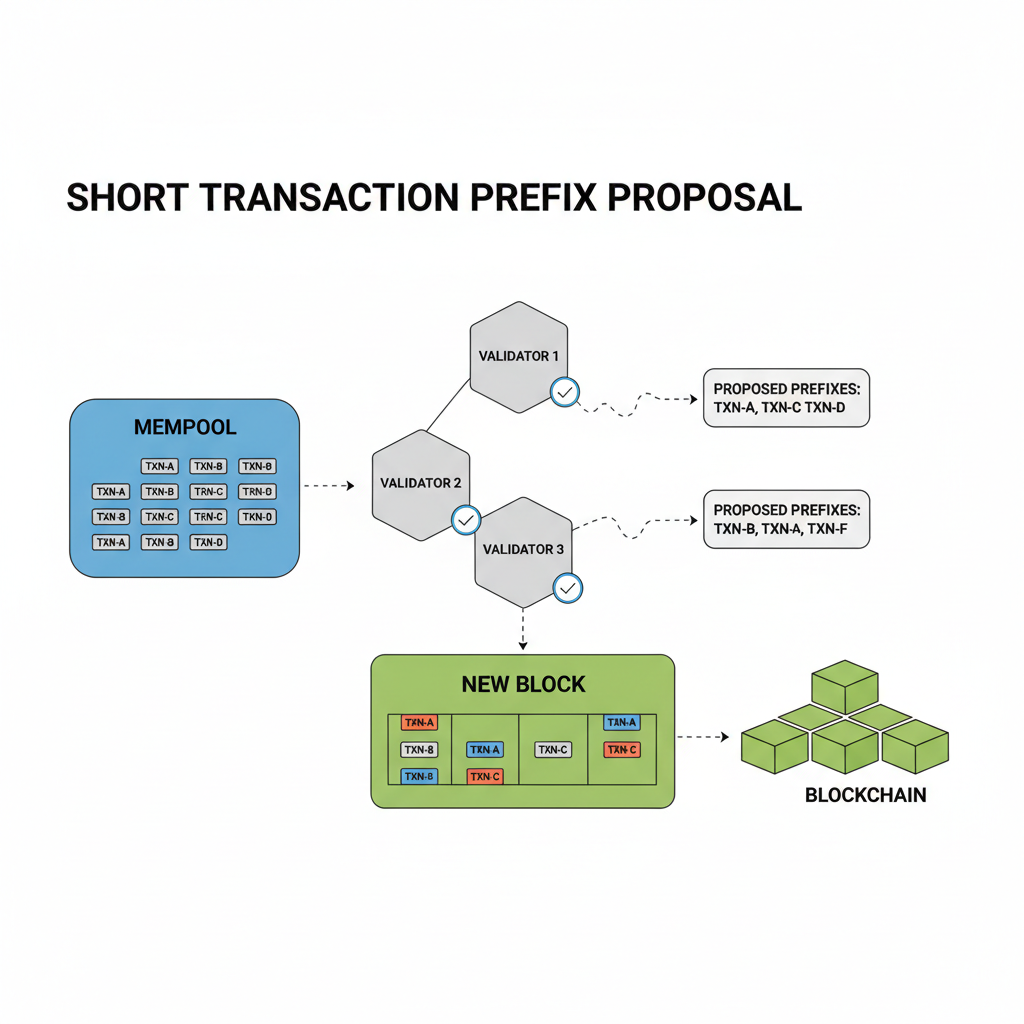
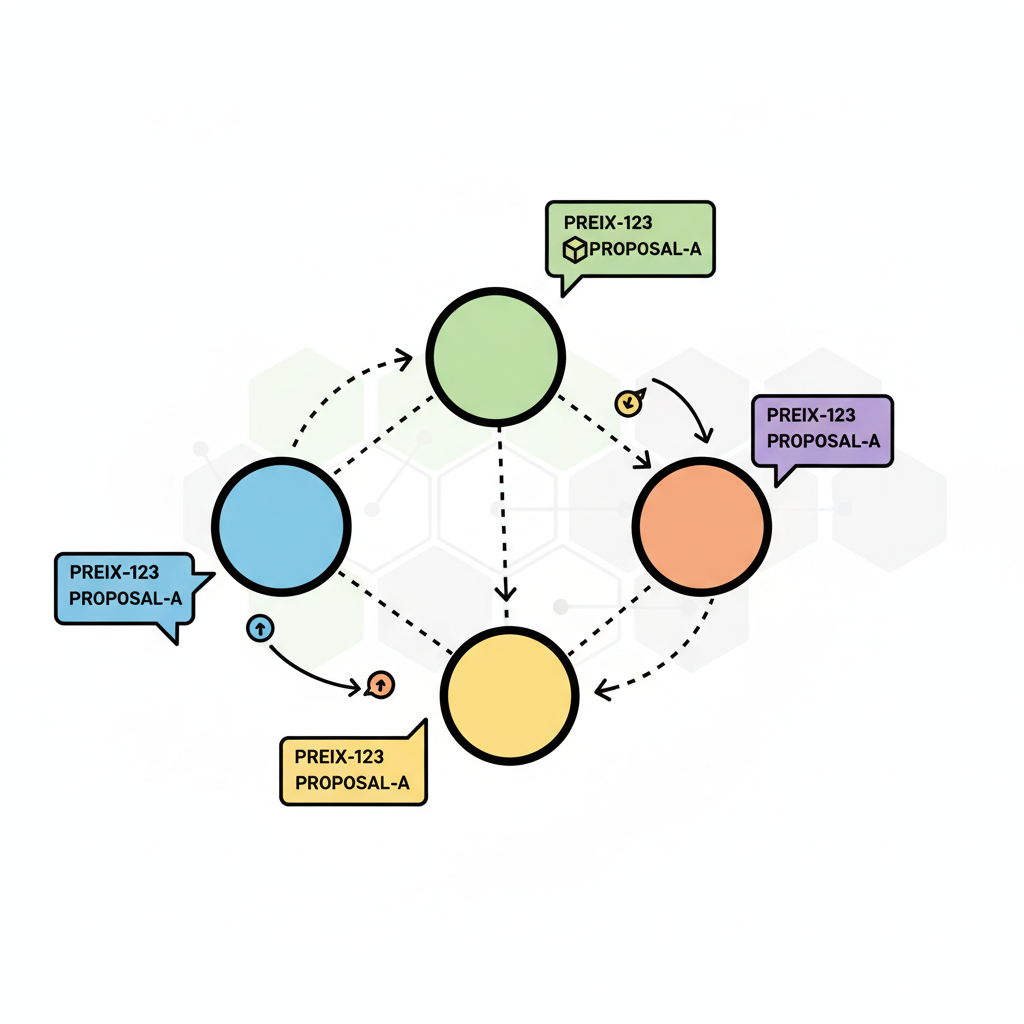
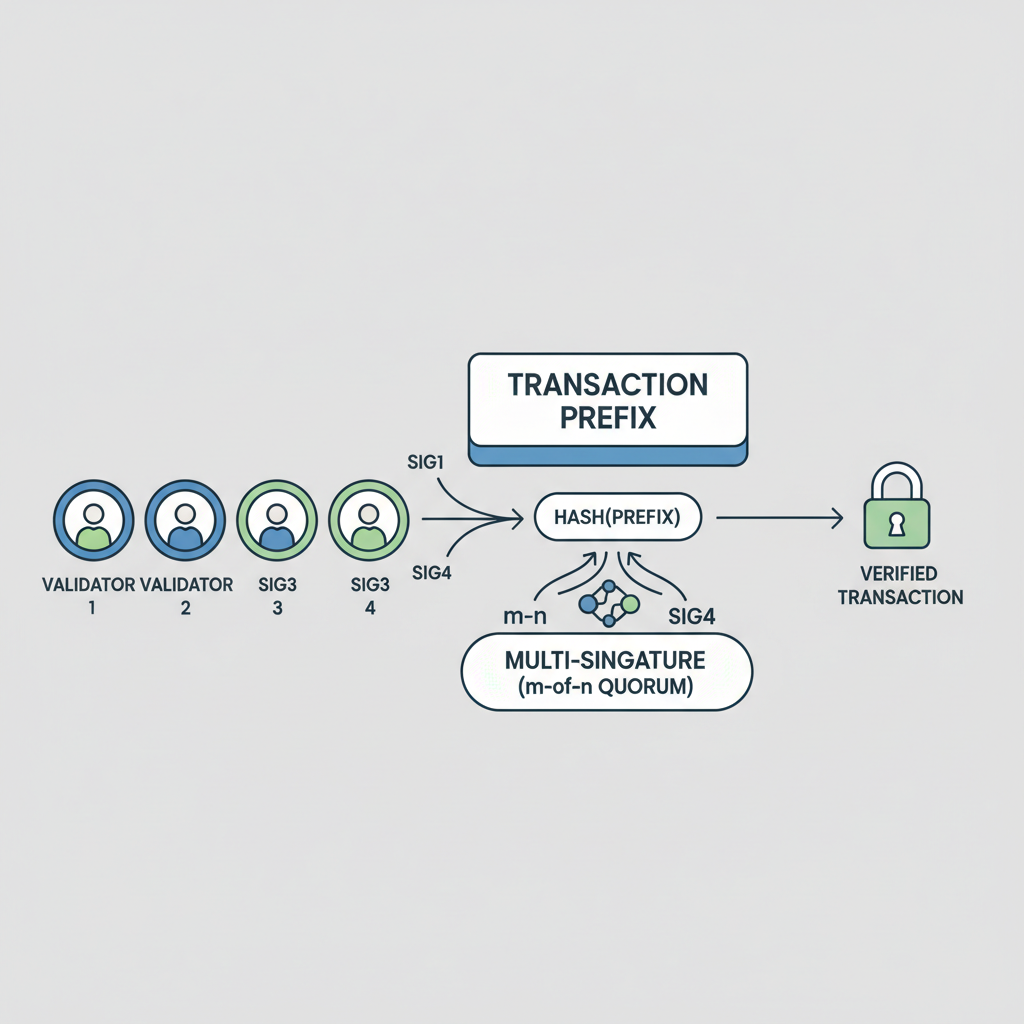
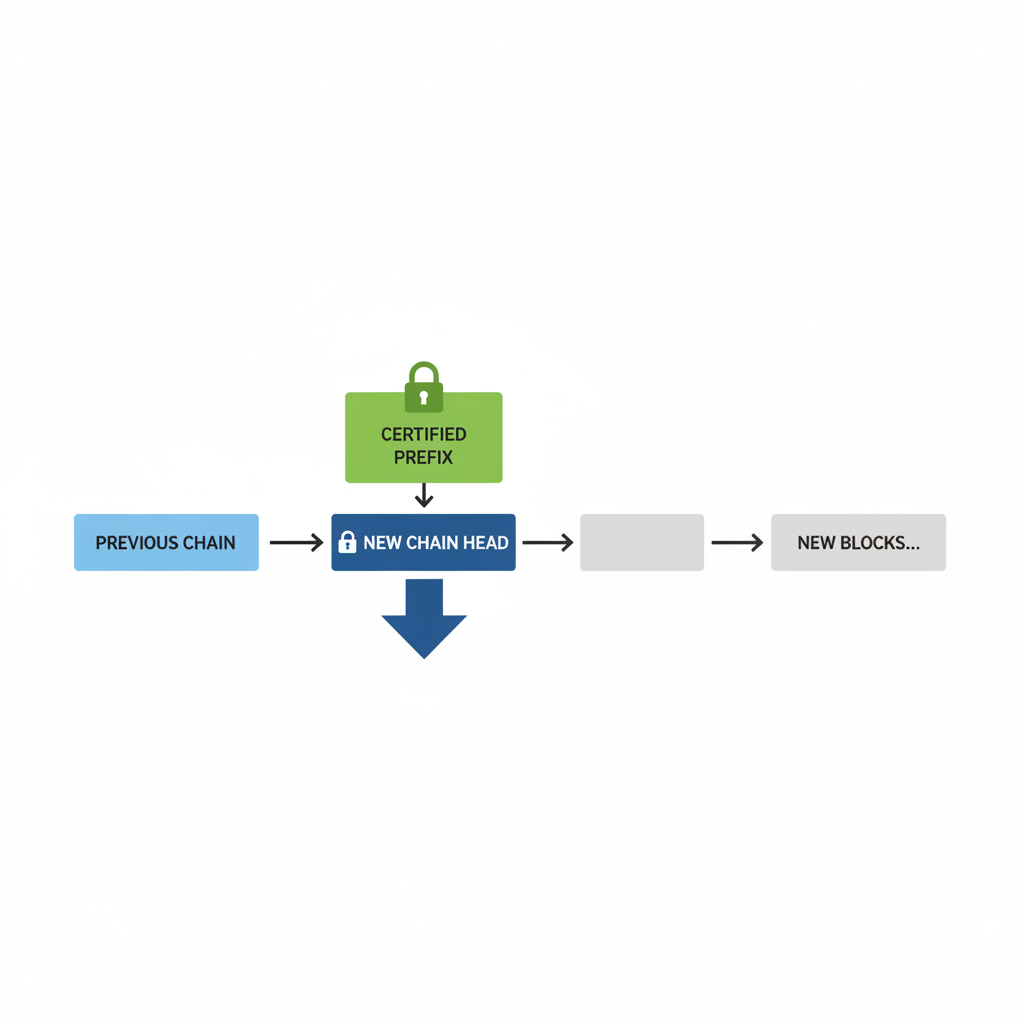
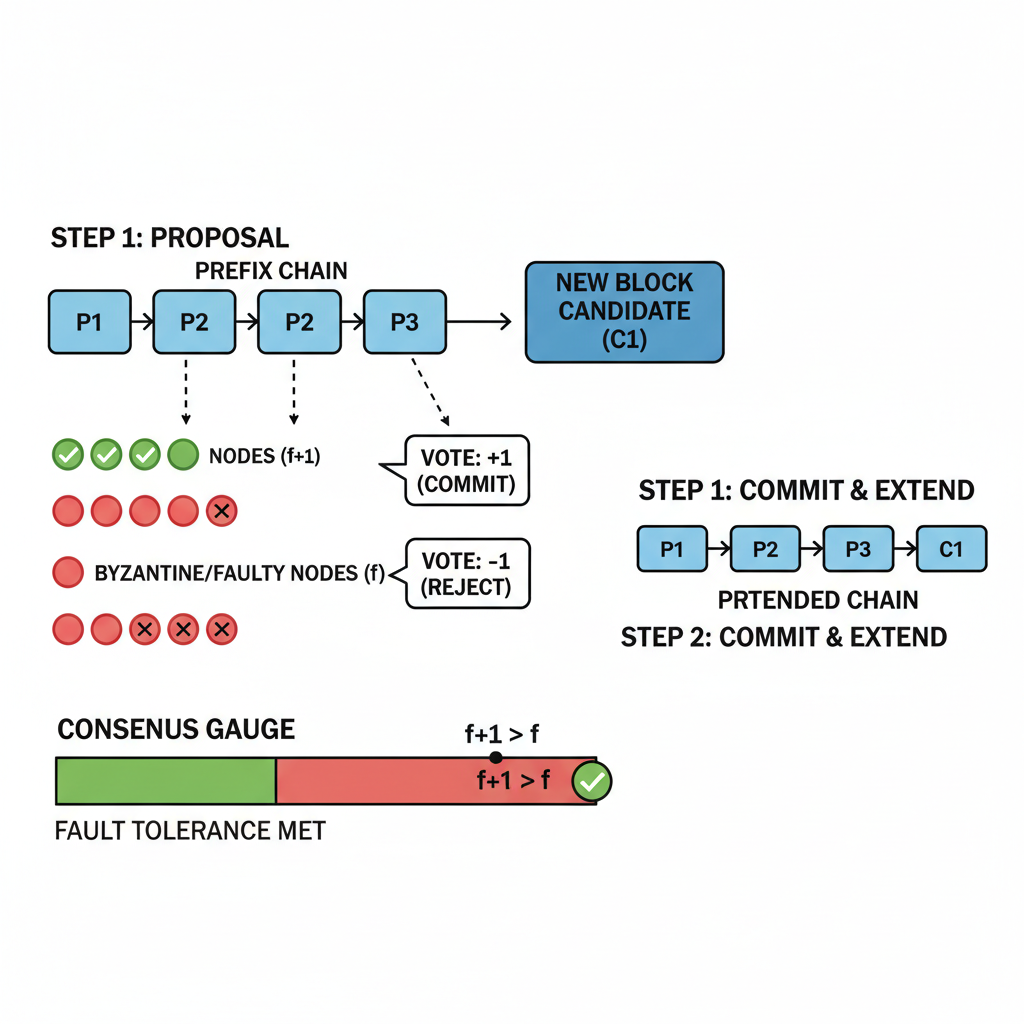
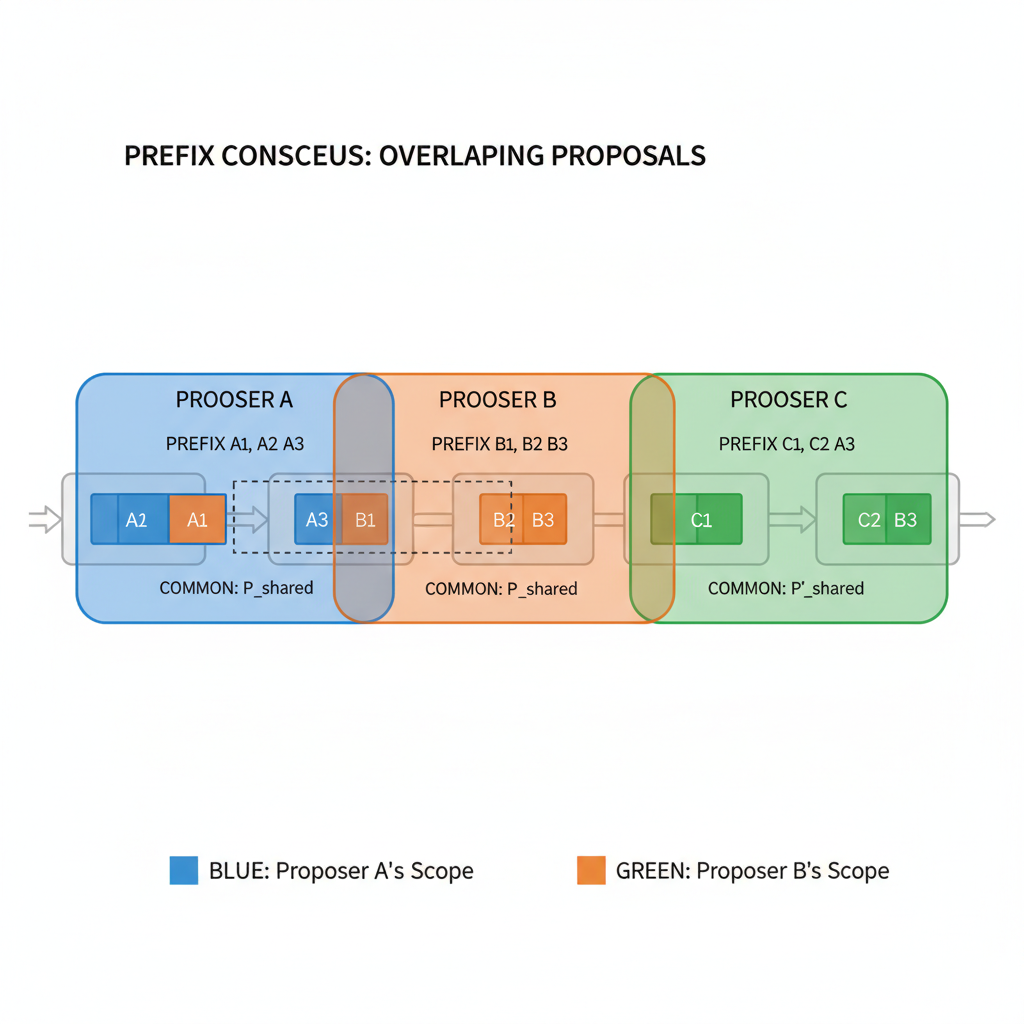
Implementation nuances matter. Aptos integrates threshold cryptography for compact certificates, slashing bandwidth by orders of magnitude. Benchmarks clock in at 260,000 TPS, sub-second finality - figures that demand scrutiny amid volatile markets where Aptos (APT) hovers at $0.9337, reflecting measured investor sentiment after a 24-hour dip of -0.0101%.
Traditional BFT vs. Prefix Consensus for Aptos
| Metric | Traditional BFT | Prefix Consensus |
|---|---|---|
| Censorship Resistance | 🛑 **Weak** | ✅ **Strong** |
| TPS | 📈 **10k** | 🚀 **260k** |
| Latency | ⏱️ **Seconds** | ⚡ **Sub-second** |
| Leader Dependency | 🔒 **High** | 🔓 **Low** |
| Robustness | ⚠️ **Vulnerable** | 🛡️ **Censorship-Resistant** |
| **Why Prefix Wins** | **Leader-dependent & slow** | **Leaderless, 26x faster, unbreakable censorship resistance! 🚀** |
Emergent research, from TrX's encrypted mempools to strong prefix variants, amplifies this trajectory. Consortium chains, per Springer studies, cling to vanilla BFT; public networks must evolve or perish against regulator scrutiny.
[h2 class="subheading has-parts"]Risks and Safeguards: A Risk Manager's AuditNo silver bullet exists in distributed systems. Prefix consensus invites adaptive adversaries: prefix flooding or signature grinding could inflate overhead. Aptos counters with rate limiting and VRF-based proposal selection, tempering these without reintroducing leaders. Network partitions pose liveness risks, mitigated by adaptive timeouts honed from 14 years observing European market volatilities.
For privacy advocates, the protocol shines in tandem with ZK proofs or homomorphic commitments, shielding mempool contents pre-prefix. Yet, scale introduces correlation attacks; auditors must probe quorum intersections. At $0.9337, Aptos (APT) embodies this tension - a protocol bet priced conservatively amid 24-hour lows of $0.9194, signaling room for upside if adoption accelerates.
Privacy warriors and blockchain enthusiasts stand to benefit most. Tools for censorship resistant sequencing now extend to core consensus, empowering wallets and DEXes against front-running cabals. Aptos Labs' push aligns with a broader ethos: fortify the base layer first. As chains face escalating pressures, prefix consensus offers a defensible perimeter, blending innovation with prudence. Stakeholders should monitor rollouts closely; true sovereignty demands vigilance alongside velocity.




No comments yet. Be the first to share your thoughts!