

In an era where centralized chokepoints throttle blockchain innovation, multi-leader censorship resistant sequencing emerges as a beacon for developers seeking true data sovereignty. Prefix consensus protocols, particularly those evolving into strong variants, empower networks to sidestep single-leader vulnerabilities without sacrificing efficiency. As someone who's navigated 14 years of market volatility, I advocate for these mechanisms not as speculative bets, but as foundational tools to safeguard principal in adversarial environments.

Foundations of Prefix Consensus in Decentralized Systems
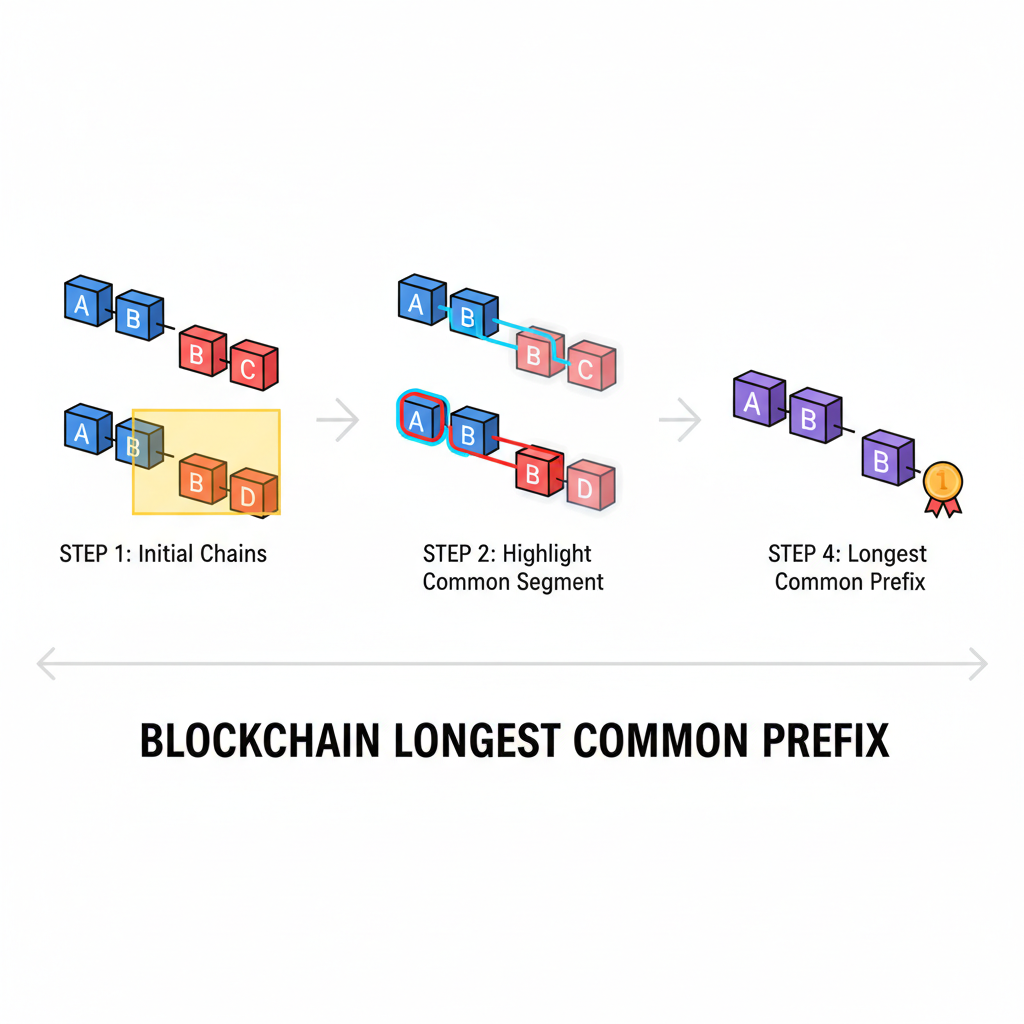
At its core, blockchain prefix consensus allows multiple parties to submit input vectors, producing output sequences that maximally extend the common prefix among honest inputs. This sidesteps the need for unanimous agreement on a single output, a game-changer for asynchronous environments. Traditional leader-based protocols, like those in early PoS chains, expose networks to censorship: a compromised or malicious leader can suppress transactions, eroding trust.
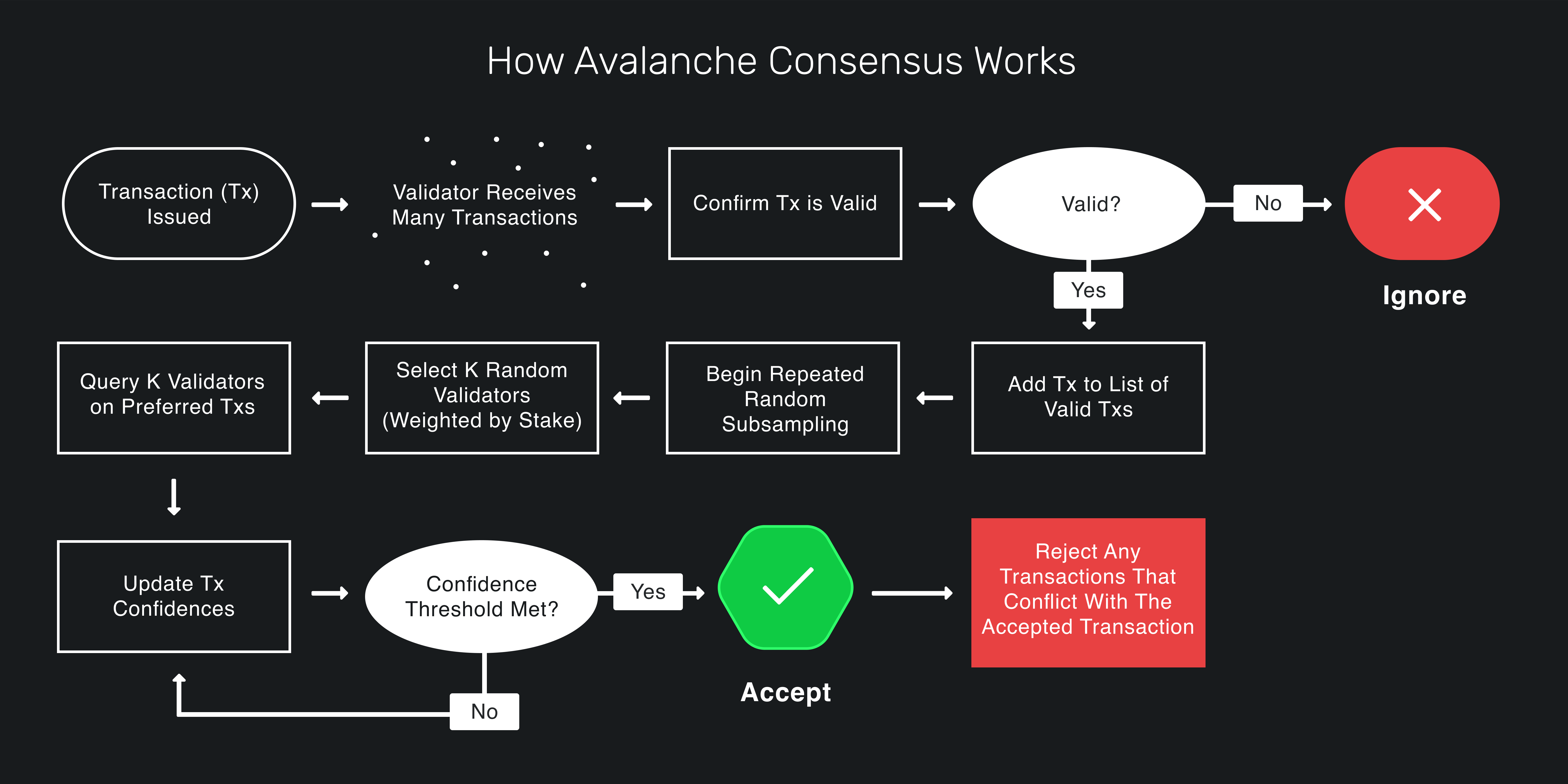
Recent arXiv research lifts this to leaderless, multi-proposer paradigms. One instance decides varying lows across nodes, while additional rounds lock in highs. This bounded approach- four rounds, quadratic messages- delivers decentralized consensus protocols resilient to Byzantine faults. Developers benefit from predictable latency, crucial for high-throughput apps in hostile regulatory climates.
Our protocol is leaderless and partially synchronous: one Prefix Consensus instance decides (possibly different) lows, and additional instances. . .
From a conservative standpoint, this minimizes risk. No single point amplifies volatility; instead, collective honesty prevails, preserving network integrity even if a third of nodes falter.

Strong Prefix Consensus: Leaderless Resilience Defined
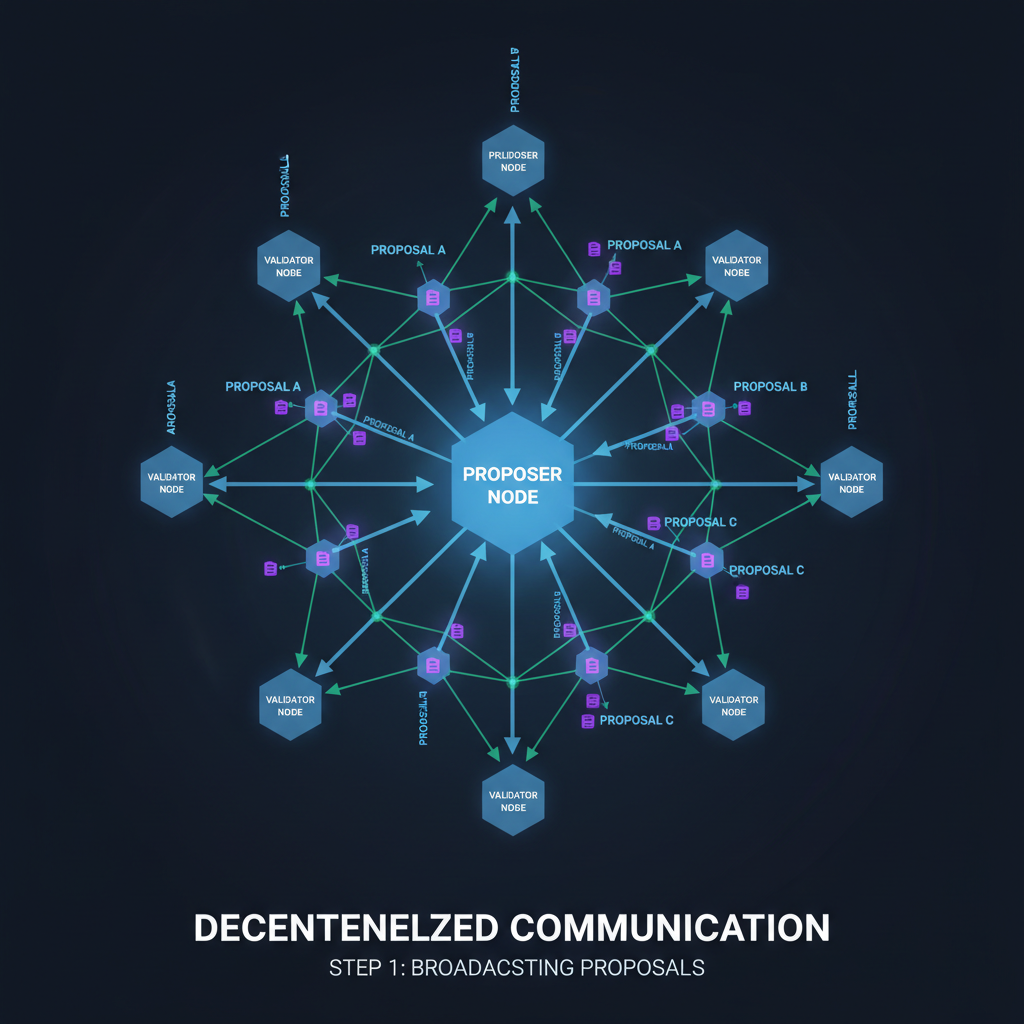
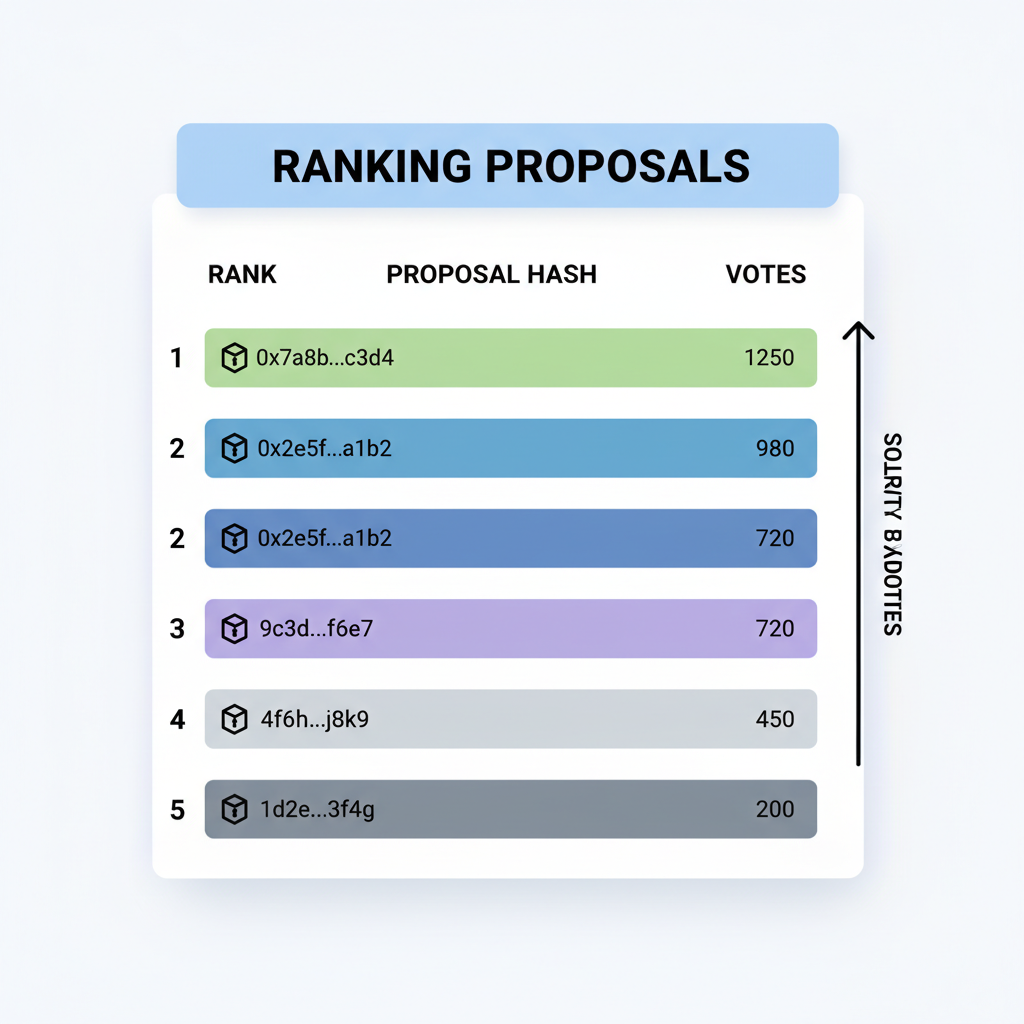
Building on prefix basics, Strong Prefix Consensus achieves full agreement on the high output. All nodes broadcast proposals, rank them deterministically, and commit honest ones swiftly. This multi-proposer SMR curbs censorship within tight bounds, ideal for anti-censorship blockchain tech.
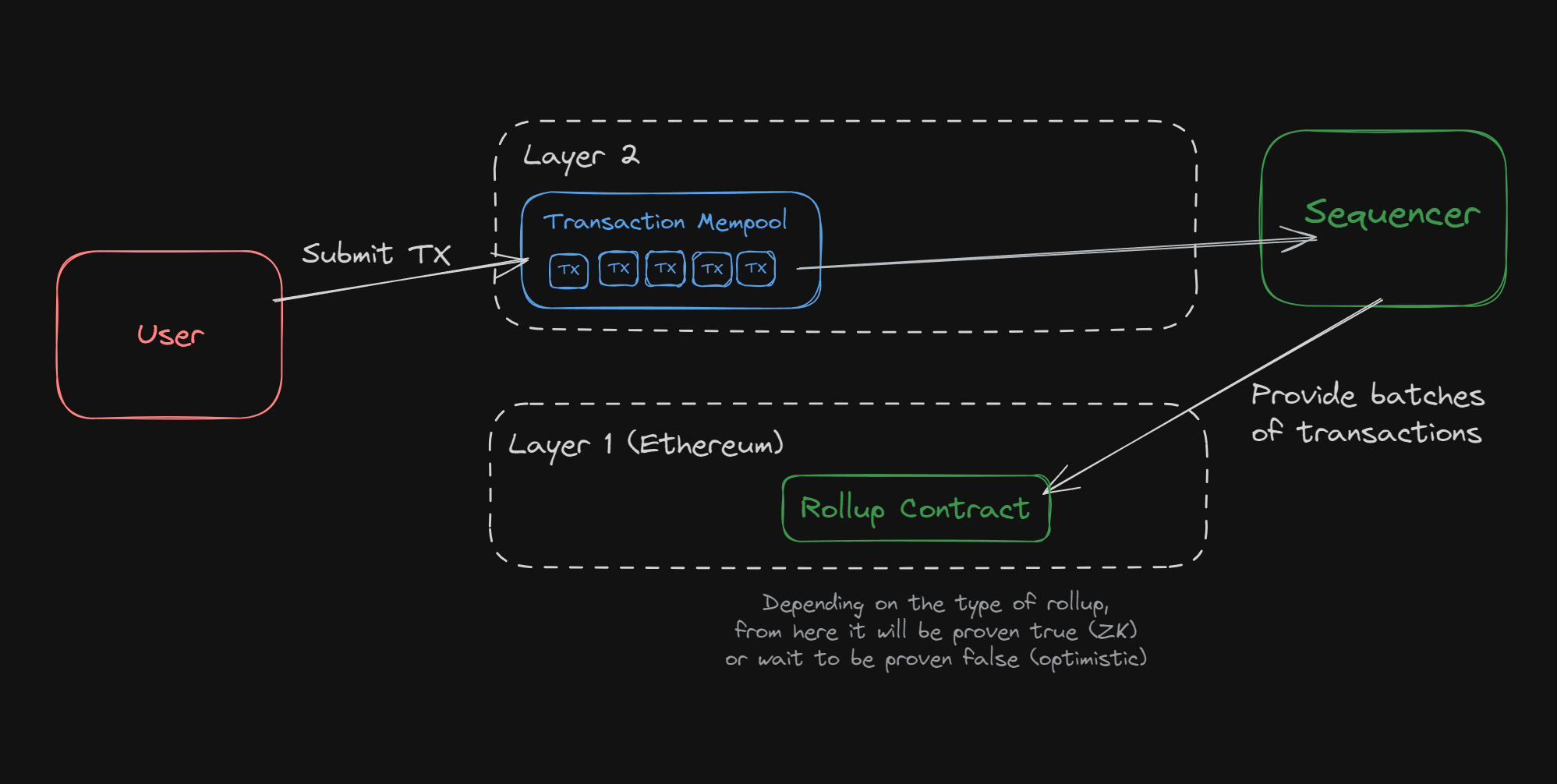
Aptos-inspired innovations, echoed by CEO Avery Ching, highlight this shift. Sedna's sharding complements it, distributing transactions across concurrent proposers to dismantle bottlenecks. Unlike Starknet's leader-based PoS, vulnerable to targeted attacks, these protocols distribute power, enhancing fault tolerance albeit with communication trade-offs.
- Leaderless design eliminates election overhead.
- Partially synchronous assumptions align with real-world networks.
- Quadratic messaging scales responsibly for validator sets under 100.
For developers, integration means auditing mempools- think TrX's encrypted variants on AptosBFT- to pair with prefix layers. This stack fortifies against MEV and frontrunning, common censorship vectors.
Why Multi-Leader Models Outpace Singletons
Single-leader bottlenecks manifest in liveness stalls and censorship windows. Multi-leader multi-leader prefix consensus disperses proposal rights, ensuring progress sans trusted intermediaries. GitHub bibliographies note leaderless gains in fault tolerance, though communication costs demand optimization.
Consider Aptos' architecture: transaction lifecycles thrive on such protocols, interleaving async execution with resilient ordering. Developers can prototype via Tokio async nets and Rayon parallelism, mirroring production resilience.
- Propose vectors in parallel.
- Compute maximal honest prefix.
- Resolve highs via additional instances.
This methodical progression reassures: your chain endures, principal intact amid volatility. As privacy cryptos mature, embedding these yields low-risk entries into uncensorable realms.
Turning these concepts into deployable code requires a measured approach, prioritizing simplicity and verifiability to shield against implementation flaws that could expose your network. Developers familiar with Rust or Go ecosystems, as in Aptos tooling, find prefix consensus accessible via modular libraries. Begin by defining input vectors as ordered transaction batches, then compute prefixes through verifiable shuffling and ranking.
Step-by-Step Integration Blueprint
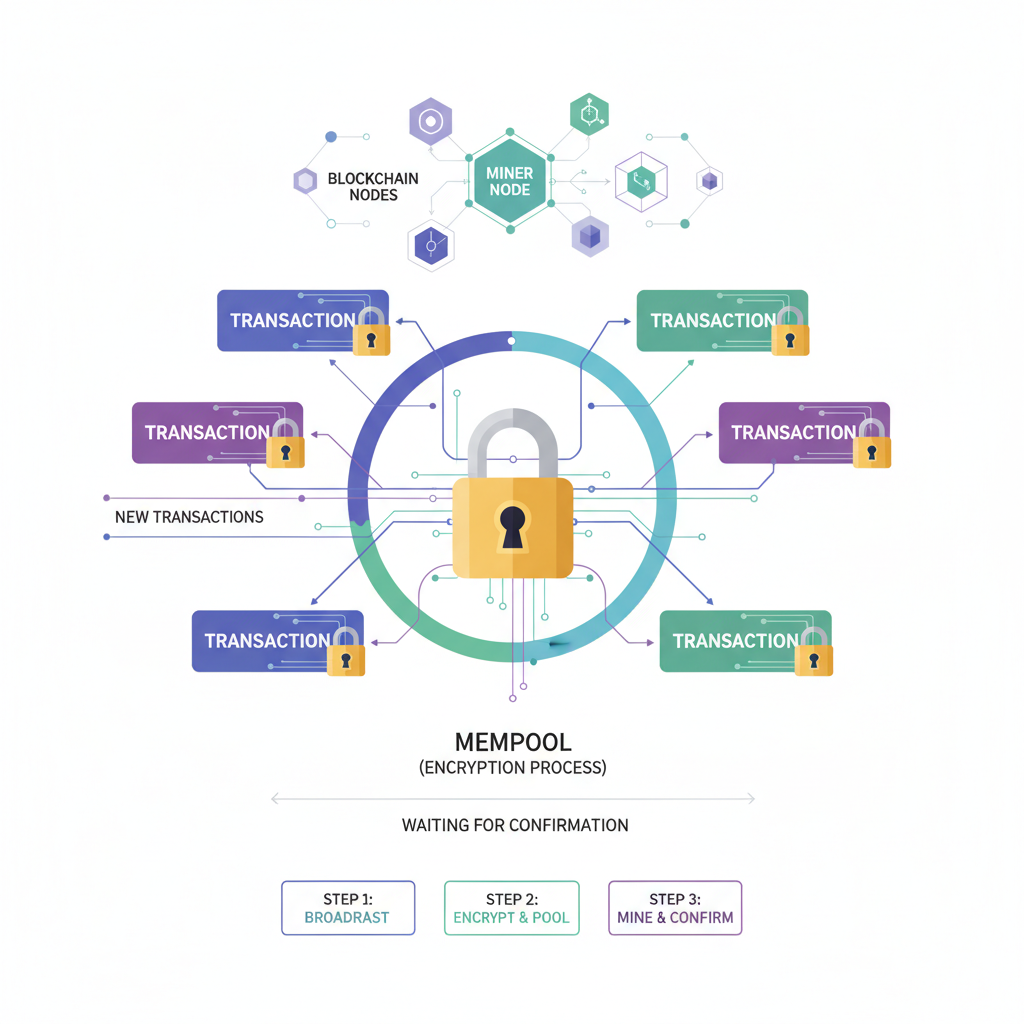
Integration starts with mempool encryption, akin to TrX on AptosBFT, ensuring proposals remain opaque until consensus. Nodes gossip vectors asynchronously, leveraging Tokio for non-blocking I/O. Deterministic ranking- often via BLS aggregates or hash chains- guarantees identical prefixes for honest participants. This layered defense minimizes censorship vectors like selective inclusion.
Unlock Censorship-Resistant Prefix Consensus: 5 Proven Steps for Developers

In practice, bound rounds to four, as Avery Ching outlines, capping latency at predictable intervals. For validator sets of 50-100, quadratic messaging stays manageable, around 10,000 messages per round- far below gossip floods in naive leaderless designs. My conservative advice: simulate under 33% faults using Rayon for parallelism before mainnet.
Once wired in, your protocol handles varying lows per node, converging on universal highs. This partial synchrony assumption holds in most internets, barring global partitions, offering liveness without full asynchrony overheads.
Performance Trade-offs: Balanced for Longevity
Critics flag communication costs, yet optimizations like threshold signatures slash them by 90%. Compared to Sedna's MCP sharding, prefix layers add sequencing guarantees without full resharding complexity. Starknet's leader vulnerabilities underscore the trade: PoS elections invite capture, while multi-leader disperses risk evenly.
Advantages of Multi-Leader Prefix Consensus
- Bounded 4-round censorship: Limits adversarial interference to just 4 rounds in leaderless setups, ensuring reliable progress.
- Leaderless fault tolerance to n/3: Tolerates up to n/3 Byzantine faults without relying on a single leader, enhancing robustness.

- Async-friendly prefix extension: Enables efficient prefix extensions in asynchronous networks, supporting flexible deployment.
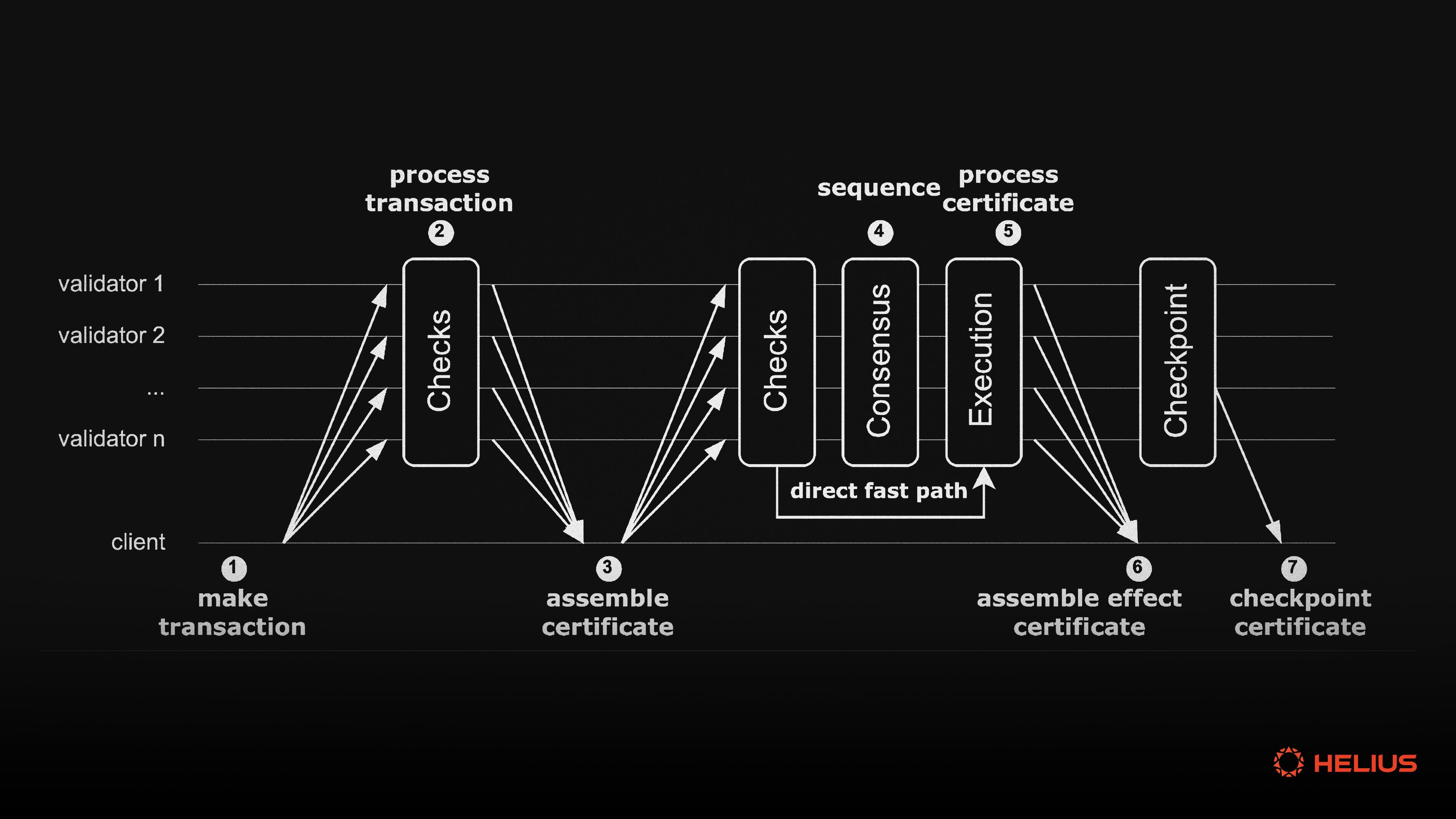
- Integrates with AptosBFT/TrX stacks: Seamlessly compatible with proven AptosBFT and TrX for high-performance BFT.
- Low-risk privacy sequencing: Supports secure, low-risk sequencing with encrypted mempools like TrX.
Throughput scales: Aptos deep dives reveal 100k and TPS potentials when pairing with parallel execution. Developers gain from hellas-ai bibliographies, curating leaderless gems. Opinionated take: skip hype cycles; prototype prefix first, layer sharding later for sustainable growth.
Real-world resilience shines in hostile environments. Regulators targeting single leaders falter against distributed proposers; transactions flow sans gatekeepers. For privacy advocates, this underpins uncensorable wallets and data silos, preserving sovereignty amid surveillance creep.
| Protocol | Leader Type | Censorship Bound | Round Complexity |
|---|---|---|---|
| Prefix Consensus | Multi | 4 rounds | O(n^2) |
| AptosBFT | Leader | Variable | O(n) |
| Sedna MCP | Multi | Sharded | O(n log n) |
These metrics reassure: your investment in multi-leader prefix consensus compounds safely, volatility notwithstanding. Chains embedding it today- from Aptos evolutions to custom seq layers- position developers at decentralization's forefront. By protecting the principal through resilient ordering, you build not just blockchains, but bastions of digital freedom that withstand the test of adversarial tides.




No comments yet. Be the first to share your thoughts!