
As Ethereum hovers at $2,278.24 after a 2.52% dip in the last 24 hours, Layer 2 rollups pump transaction speeds but hide a nasty centralization trap. Centralized sequencers call the shots on ordering, batching transactions, and pocketing fat fees; 80% of 2025 L2 revenue funneled straight to these single points of failure. MEV censorship looms large, where sequencers front-run trades or block politically hot transactions, undermining the whole decentralized dream. In 2026, decentralized sequencing Ethereum L2 protocols strike back, slashing MEV censorship resistance risks and firing up true sovereignty.
Centralized Sequencers: Fueling MEV Extraction and Blackouts
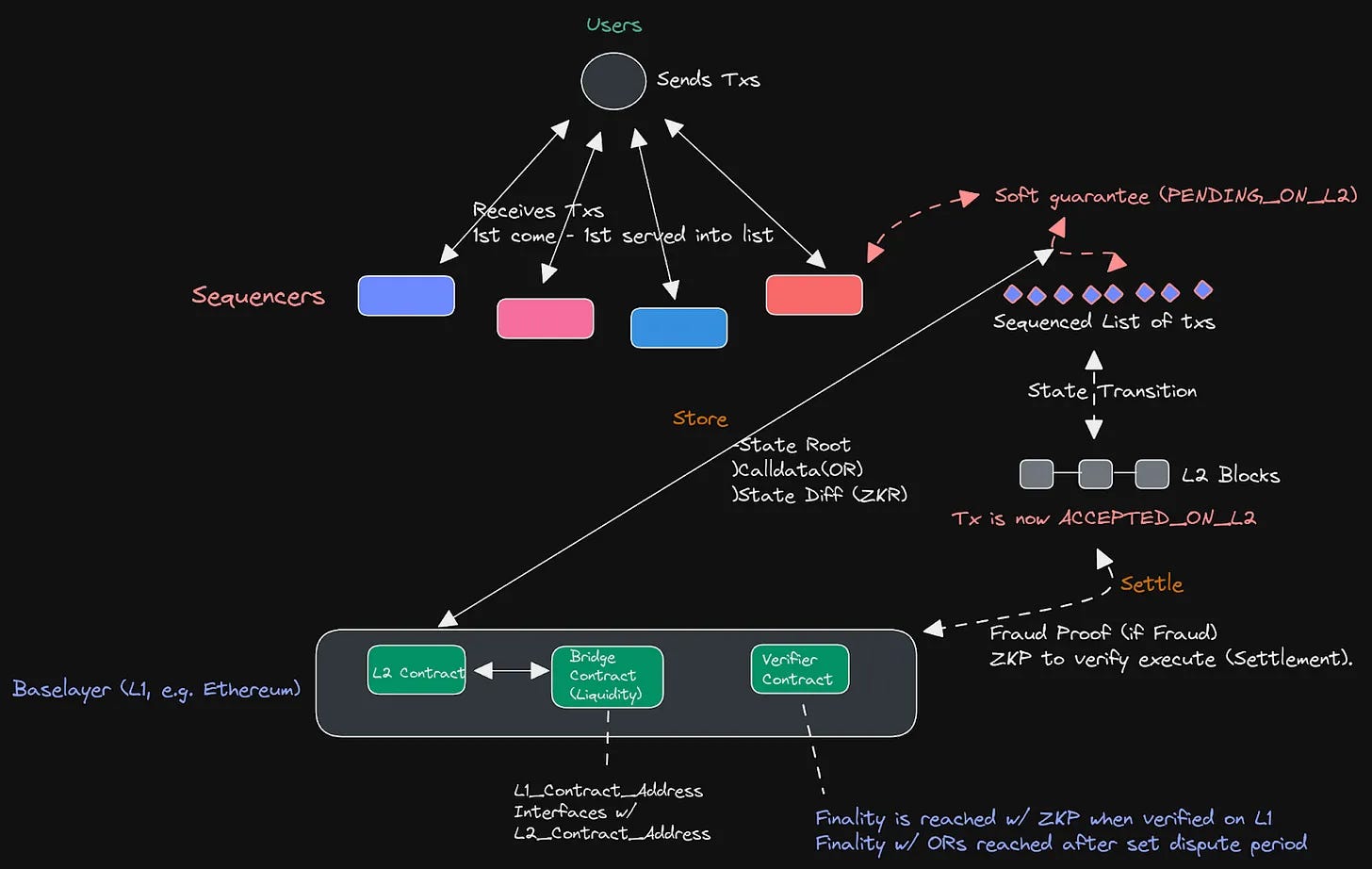
Picture this: your trade hits the L2 mempool, but the sequencer, some off-chain operator, decides its fate. Arbitrum docs nail it; the sequencer orders transactions for efficiency, yet trust breaks down fast. Gate. com spotlights force inclusion hacks to bypass censorship, but why beg when you can decentralize? ChainScore Labs drops the trilemma bomb; decentralized sequencers juggle liveness, censorship resistance, and fair ordering, but centralized ones flop on resistance.
Base's architecture screams risks; performance trumps reliability, with denial-of-sequencing attacks lurking per GitHub research. Mantle pushes rollup security, yet centralized chokepoints invite regulator pressure, as Liberty Street Economics warns. Ethereum Research calls out trust-based rollups; based sequencing paths emerge to decentralize. DWF Labs flags 70 and L2s fragmenting liquidity, centralization the real menace. I trade these volatilities daily; one sequencer outage tanks positions, MEV bots feast.
Top L2 Sequencer Risks
- MEV Extraction: Centralized sequencers reorder transactions to capture profits, front-running users and distorting fair ordering.
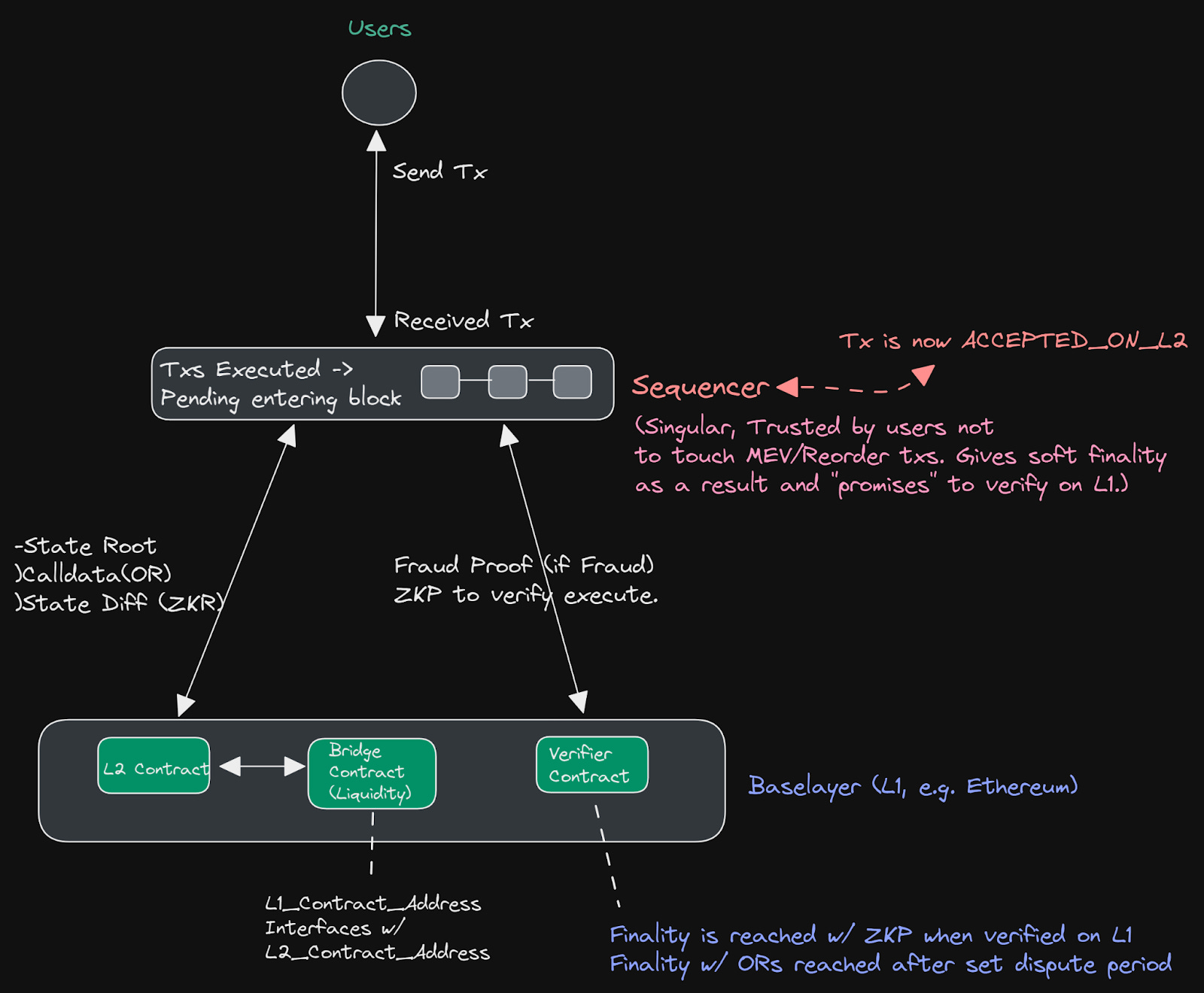
- Transaction Censorship: Sequencers can block or delay specific transactions, undermining network neutrality.
- Single Point of Failure: One downed sequencer halts the entire L2 rollup, risking liveness and availability.
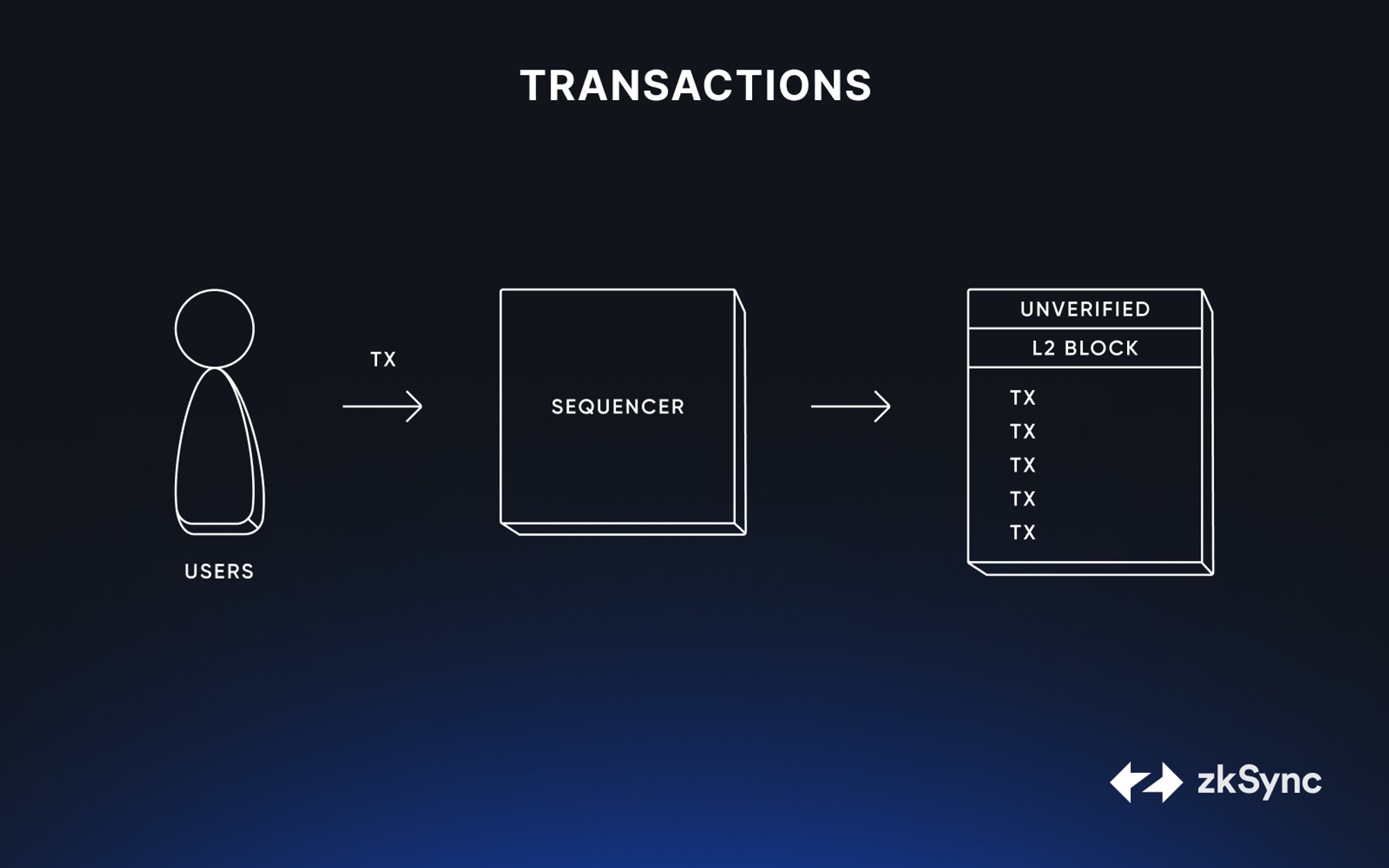
- Fee Monopolization: Sequencers capture 80%+ of L2 fees, concentrating revenue and stifling competition.
- Regulatory Vulnerabilities: Centralized operators face pressure to censor sanctioned addresses, like OFAC compliance.
Strike first or get censored; 2026 demands action.
Shared Sequencers Charge Ahead: Espresso and Astria Lead the Pack
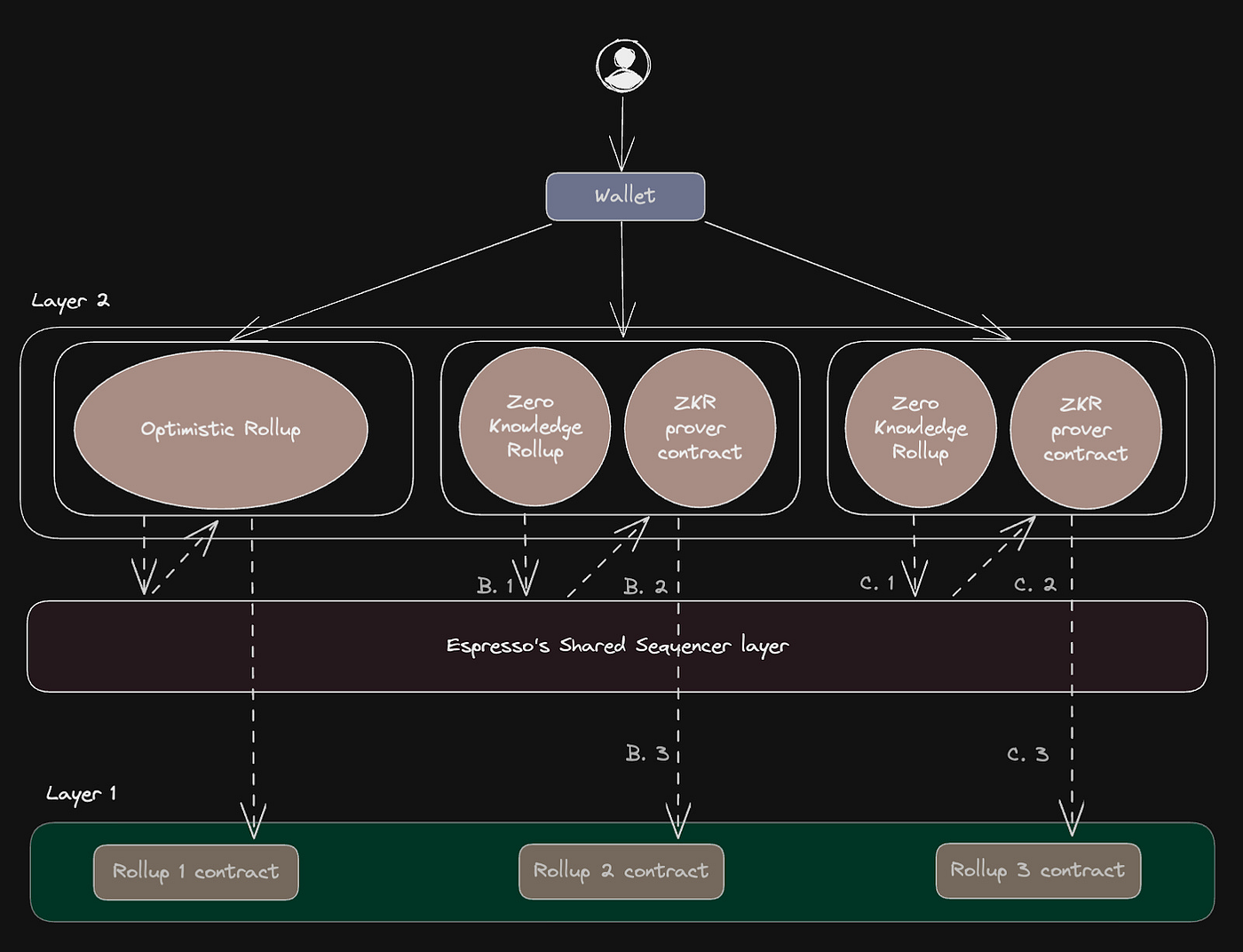
Enter shared sequencers, decentralization-as-a-service for rollups. Projects like Espresso and Astria network multiple operators, slashing censorship via competition. No single entity orders all; cross-rollup composability unlocks, per BNB research. Liveness boosts, MEV dilutes across nodes. This mirrors my forex scalps; distribute risk, amplify edge.
Threshold encryption amps it up. Ferveo-style protocols let block producers jointly decrypt post-ordering. Transactions execute in committed sequence, MEV neutered. Archetype Fund details how; no peeking, pure fairness. Timelock encryption seals deals; users drop time-locked safes, sequencers commit blindly, decryption hits execution. Fair ordering like Themis and Aequitas enforces policies, no sequencer favoritism.
Ethereum PBS Sequencers 2026: Threshold and Timelock Battle-Tested
By February 2026, Ethereum's proposer-builder separation evolves into PBS sequencers, decentralizing L2 ordering. Centralized models prioritize speed over sovereignty; decentralized flip the script. ChainSafe blogs Ethereum's censorship fight; ongoing efforts converge here. I see volatility spikes as L2s adopt; ETH at $2,278.24 reflects market digestion of these shifts.
Denial attacks fade with distributed nodes. Force inclusion stays backup, but shared networks make it obsolete. Opinion: traders, back these protocols now; MEV censorship resistance isn't optional, it's survival. Volatility in sequencing mirrors my crypto swings; position for the decentralization wave.

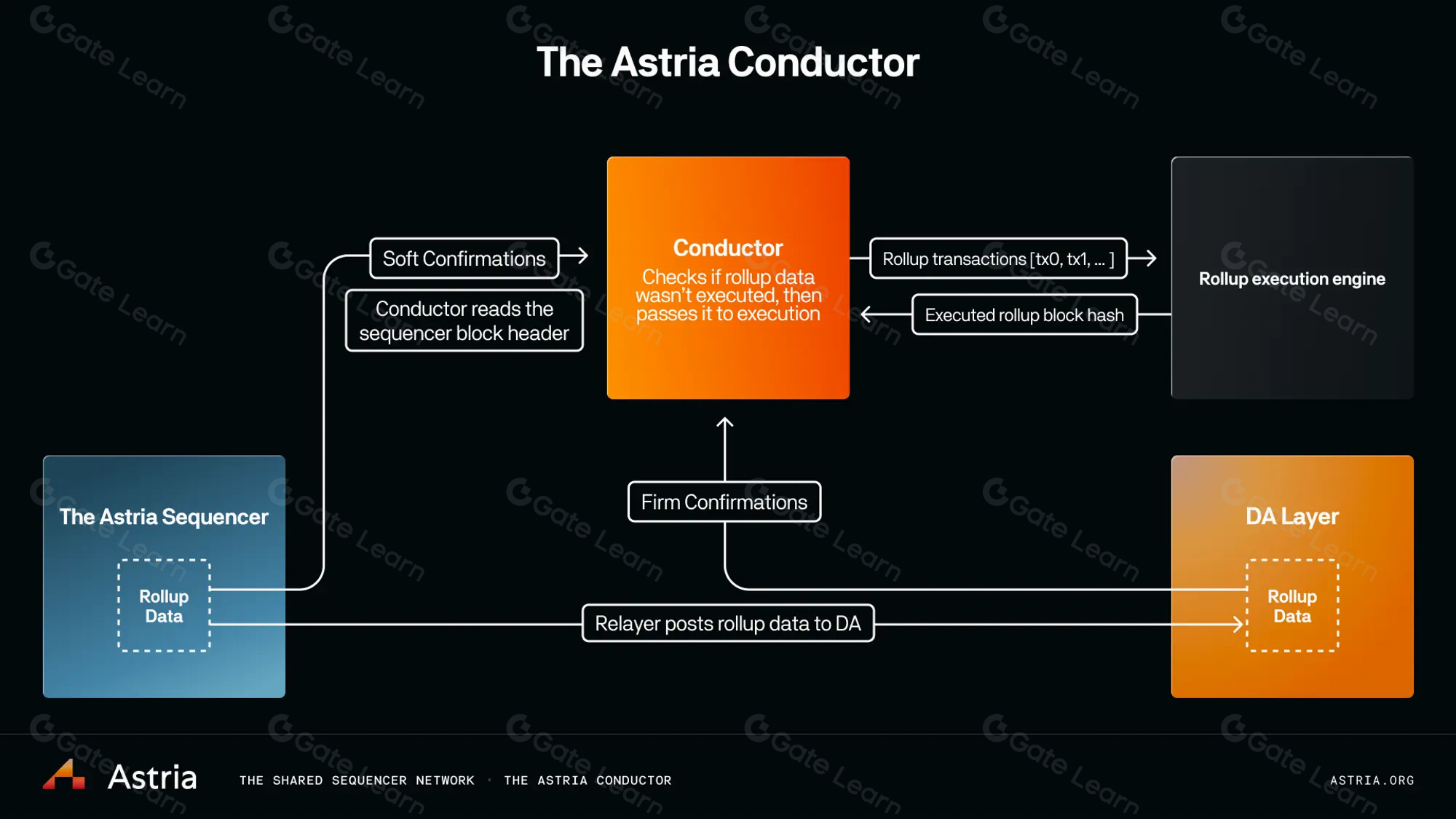
These innovations aren't pie-in-the-sky; they're live and kicking in 2026, reshaping how I scalp L2 positions. Shared sequencers like Espresso distribute ordering across nodes, turning censorship into a relic. Astria layers on cross-rollup bridges, letting intents flow seamless without mempool spies. MEV bots? Starved out as competition evens the field. Threshold encryption from Ferveo splits keys among producers; no solo actor peeks at your sandwich trade data. Execute in order, profits stay yours.
Timelock and Fair Ordering: MEV Censorship Resistance Locked In
Timelock encryption flips the script harder. Drop your tx in a timed safe; sequencer commits blind, unlocks only at go-time. No front-running your DeFi swap at $2,278.24 ETH levels. Pair it with fair ordering protocols like Themis, enforcing FIFO or price-time auctions across decentralized networks. Aequitas adds randomness, dodging predictable exploits. Archetype nails it: these stack for ironclad MEV censorship resistance. Centralized sequencers grabbed 80% fees last year? Decentralized ones democratize that cash flow, nodes earn slices via staking or auctions.
Traders, this volatility goldmine hits home. I ride L2 surges when sequencer news drops; denial attacks vanish, liveness soars 99.9%. Ethereum Research pushes 'based' rollups, posting batches direct to L1 proposers. No off-chain trust, pure PBS evolution. ChainScore's trilemma? Cracked by hybrid designs prioritizing resistance without killing speed. Liberty Street flags external pressures; decentralized setups laugh them off, nodes rotate globally.
Zoom to Ethereum PBS sequencers 2026: proposer-builder split scales to L2s, builders bid blindly on bundles. Rollups plug in, censorship craters. Gate. com's force inclusion? Now a safety net, not crutch. Mantle-style security holds, but amplified. DWF Labs eyes based future for 70 and L2s; liquidity unfragments as composability clicks. ETH's 24-hour low at $2,115.33 tested nerves, yet $2,278.24 rebound screams adoption momentum.
Battle-tested? Espresso mainnet pilots crushed stress tests, Astria integrates with Optimism stack. Ferveo thresholds hit 100 and nodes, zero leaks. My trades: short centralized L2 tokens pre-upgrade, long post-decentralize. Volatility spikes 20-30% on announcements; position accordingly. Regulatory heat? Decentralized sequencing Ethereum L2 shields protocols legally, nodes untraceable. GitHub dives denial attacks; distributed consensus neuters them.
Frontline fighters, this shift arms you against blackouts and bots. Stake nodes, build on shared nets, demand PBS compliance. ETH ecosystem thrives at $2,278.24 because Ethereum PBS sequencers 2026 deliver sovereignty. Centralization's grip slips; grab the sequencing revolution, trade the waves it unleashes. Digital rights secured, profits uncensored. Strike fast.




No comments yet. Be the first to share your thoughts!